
Indoor rigid products
The product is used indoors, the surface is stable, and the main goal is a clear glossy dome with easier process control.
Outdoor or flexible use
The product needs better flexibility, stronger UV resistance, or more stable performance in outdoor and bending conditions.
The product is high value
Automotive parts, outdoor labels, premium decals and unfamiliar materials should be confirmed with real samples before production.
Quick Answer
Epoxy and polyurethane doming resin can both create a raised clear dome on stickers, labels, decals, badges and nameplates. The better choice depends less on the resin name and more on the product surface, use environment, flexibility requirement, dome height and production process.
Epoxy is a practical starting point for many indoor labels, while a suitable polyurethane formulation is often a candidate for outdoor, flexible or UV-exposed products. Processing requirements vary by formulation. Confirm the final choice by sample testing, especially when the product will face sunlight, bending, moisture, heat or frequent handling.
What the Resin Choice Actually Controls
The doming machine controls movement, dispensing path and repeatability. The resin controls the final surface behavior. If the machine is correct but the resin does not match the product, you can still get yellowing, poor adhesion, edge overflow, cracking, bubbles or a dome that feels too hard or too soft.
- Appearance: clarity, gloss, surface smoothness and long-term yellowing risk.
- Durability: resistance to UV exposure, handling wear, moisture, temperature and light chemicals.
- Flexibility: whether the dome can handle bending, soft labels or curved product surfaces.
- Process window: working time, curing behavior, moisture sensitivity and bubble control.
- Dome control: resin viscosity, edge holding, dome height and overflow risk.
If you are still choosing the resin system for production, the broader doming resin center explains how resin products, machines and sample testing connect.
Epoxy vs Polyurethane: Practical Difference
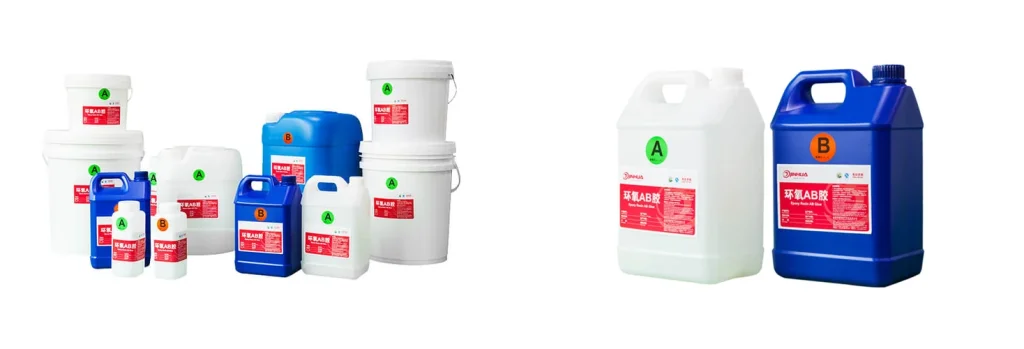
Easier for stable indoor work
Epoxy is commonly used for indoor domed labels, rigid decals, badges and nameplates where flexibility and long outdoor exposure are not the main risk.
Better for flexibility and UV risk
PU is often chosen when the finished product needs more flexibility, better weathering performance or stronger resistance to sunlight exposure.
The real decision point
Different inks, films, metal finishes and coatings can change adhesion and appearance, so final selection should be tested on the real product.
A useful way to think about this is simple: epoxy is usually more forgiving for standard indoor production, while polyurethane is usually considered when the use environment is more demanding. This is a practical rule, not an absolute guarantee. Resin formulas differ by supplier, and the product surface can change the result.
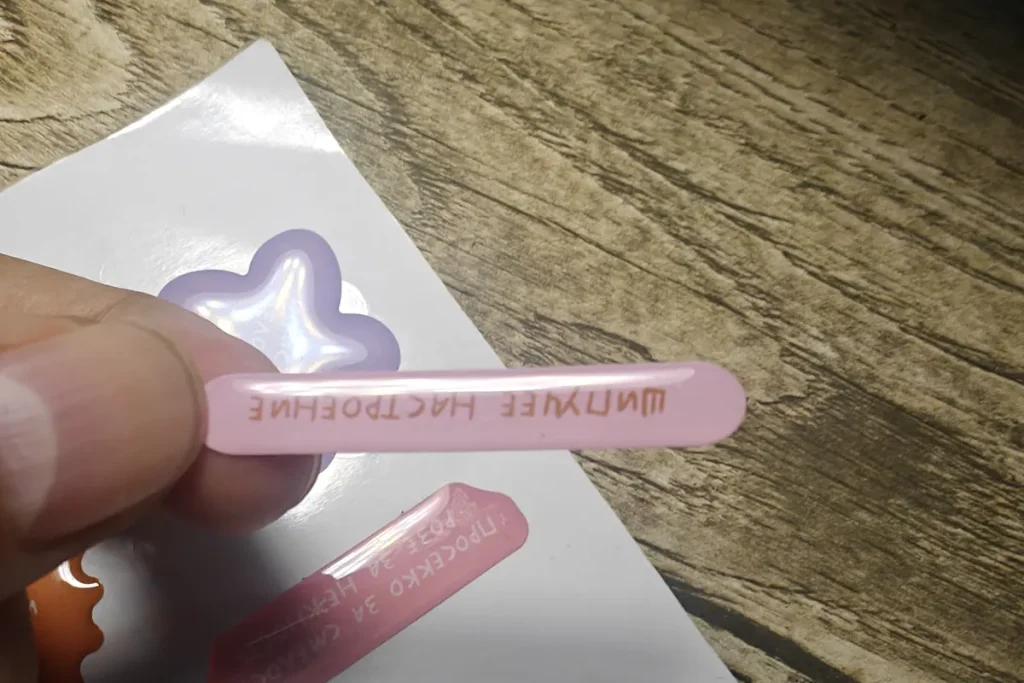
Best Fit by Product Type
Check flexibility and use environment
Indoor rigid decals may work well with epoxy. Outdoor decals, flexible decals or curved surfaces often need PU testing.
Check surface finish and adhesion
Metal, brushed, printed or coated nameplates should be tested because inks and coatings can affect wetting, clarity and long-term adhesion.
Check environment first
Warning labels, equipment labels and control panel labels should be matched to indoor, outdoor, chemical or handling conditions.
Avoid choosing by price only
Automotive and outdoor branding parts usually need stronger aging checks because UV exposure, heat and washing can expose weak resin choices.
You can also compare resin needs by application: domed decals, domed nameplates, domed industrial labels and automotive emblems have different risks even when they use similar doming equipment.
Machine Choice and Resin Choice Are Separate Decisions
A common mistake is to ask for a better machine when the real problem is resin selection, or to change resin when the real problem is positioning and dispensing control. These two decisions should be connected, but they are not the same decision.
- Machine selection: controls whether the product is dispensed by hand movement, programmed 3-axis movement or CCD vision alignment.
- Resin selection: controls gloss, hardness, flexibility, UV resistance, curing behavior and long-term durability.
- Process validation: confirms whether the resin, material surface, dome height and machine settings work together.
If your product layout is still the main uncertainty, start with the doming machine selection center. If you already know the machine type and the question is final product performance, resin testing becomes more important. For deeper machine selection, compare how to choose the right sticker doming machine, the 3-axis buying guide and the CCD vision guide.
Product layout, placement variation and production volume determine whether semi-auto, 3-axis or CCD positioning is appropriate.
Rigidity, flexibility, UV exposure, moisture and handling conditions narrow the choice between epoxy and polyurethane.
Confirm adhesion, bubbles, edge control, dome height and curing behavior on the customer’s actual material before production.
Production Checks Before Choosing Resin
Before buying resin in volume, confirm the production conditions that affect the final dome. This is especially important for export customers, outdoor products and any order where the finished appearance cannot be easily reworked.
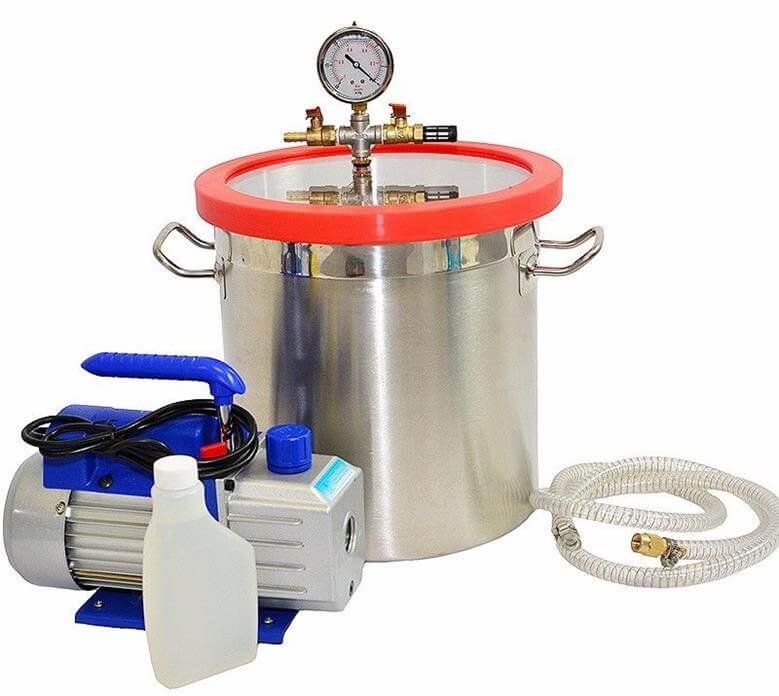
- Product material: PVC, PET, PC, acrylic, aluminum, stainless steel and coated films can behave differently.
- Surface finish: printed ink, lamination, brushed metal, coating and laser marking can affect adhesion and clarity.
- Use environment: indoor use, outdoor sunlight, moisture, heat, chemical exposure and handling frequency all matter.
- Flexibility requirement: rigid nameplates and soft decals should not be judged by the same resin standard.
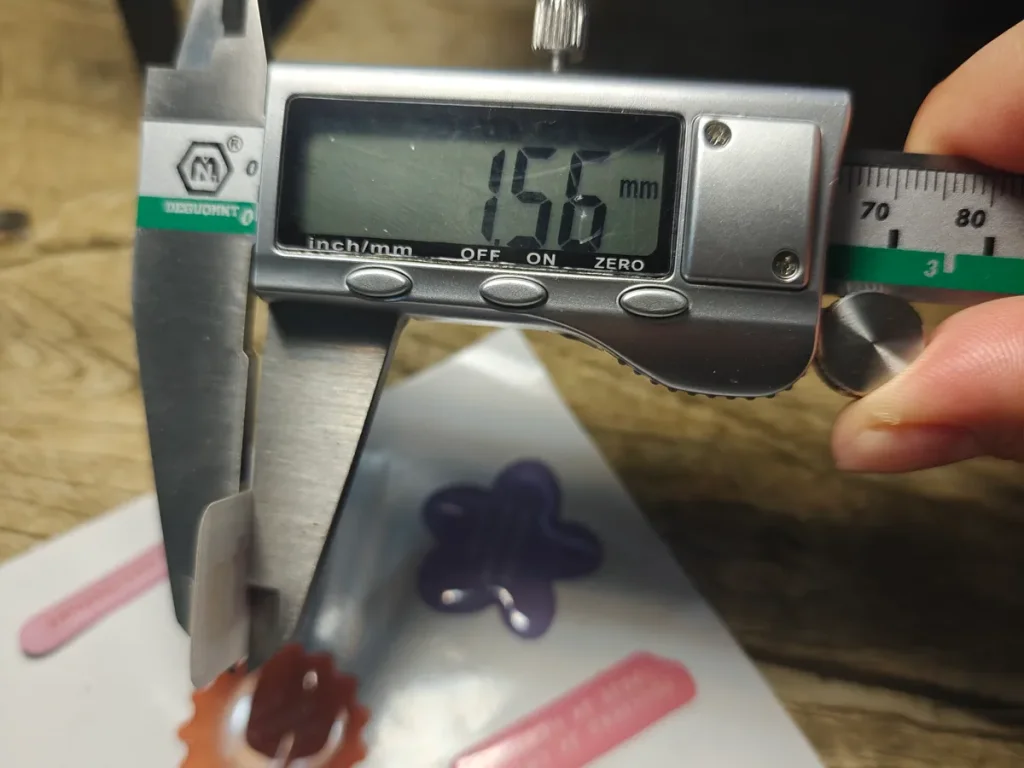
- Dome height: higher domes need stable edge control, suitable viscosity and enough curing stability.
- Production volume: small batches tolerate more manual adjustment, while repeat production needs a stable and documented process.
If bubbles, curing defects or surface problems are already happening, check the resin doming troubleshooting guide before changing machine models.
Common Mistakes to Avoid
- Choosing by resin price only: a cheaper resin can become expensive if it increases scrap, yellowing, rework or customer complaints.
- Assuming epoxy means indoor only: some epoxy formulas perform better than others, but outdoor use should still be proven by sample aging checks.
- Assuming PU is always better: PU may be stronger for flexibility and UV risk, but it can also demand better moisture and process control.
- Ignoring the substrate: two products using the same resin can behave differently if one surface is coated, laminated or poorly cleaned.
- Testing only one perfect sample: production should be tested across normal material variation, not only the easiest sample.
FAQ
Is epoxy resin or polyurethane resin better for domed stickers?
There is no universally better resin. Epoxy is a practical starting point for many indoor products. Test a suitable polyurethane formulation for outdoor, flexible or UV-exposed products. Confirm the exact resin against the product material, use conditions and sample results.
Can epoxy resin be used outdoors?
Some epoxy systems may handle limited outdoor use, but long sunlight exposure can increase yellowing or aging risk depending on the formula. For outdoor labels, decals or automotive parts, PU testing is usually worth considering.
Why do some polyurethane resins create more process problems?
PU systems can be more sensitive to moisture, mixing conditions and production control depending on the formulation. This does not mean PU is bad. It means the setup should be tested and controlled more carefully.
Does the doming machine decide which resin I should use?
The machine affects dispensing accuracy, movement path and repeatability. The resin choice should be based on final product performance. In many projects, the machine type and resin type are selected together, but they solve different problems.
Should I test resin before buying a doming machine?
If the product is new, outdoor, flexible, premium or made with an unfamiliar surface material, sample testing is strongly recommended. Testing helps confirm resin type, dome height, adhesion, bubble control and whether extra process equipment is needed.
Final Selection Logic
Start with the finished product, not the resin name. Epoxy may be a practical starting point for many indoor products. Test a suitable polyurethane formulation when flexibility, impact or outdoor exposure matters. Product value alone does not determine the resin family. If the surface, dome height or use conditions are uncertain, test samples before committing to bulk resin or a machine setup.