
DJ771 3-Axis Automatic Resin Doming Machine
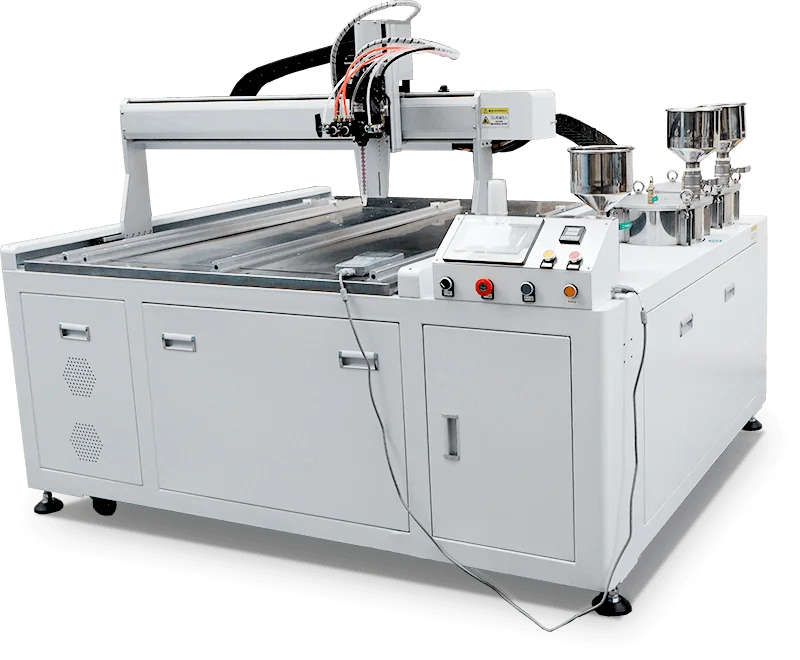
Should You Choose a 3-Axis Automatic Doming Machine?
Compare the real sheet, fixture, resin and output requirement before choosing a 3-axis platform.
Best fit when
- You already have regular sheet layouts for decals, labels, badges or nameplates.
- Your orders repeat often enough to save dispensing programs.
- Manual dispensing has become the bottleneck for a repeatable layout.
- Your product placement can be controlled by fixtures or sheet positioning, and the resin process is stable enough for repeat automation.
Consider semi-auto or CCD when
- You are still validating new products, resin behavior or unstable small orders.
- Product or print position varies beyond what a repeatable fixture can control.
- The sample must provide a reliable edge, mark or contrast feature before camera alignment is selected.
- For irregular designs that change often, compare SJ4060 when on-screen path editing would make setup more practical.
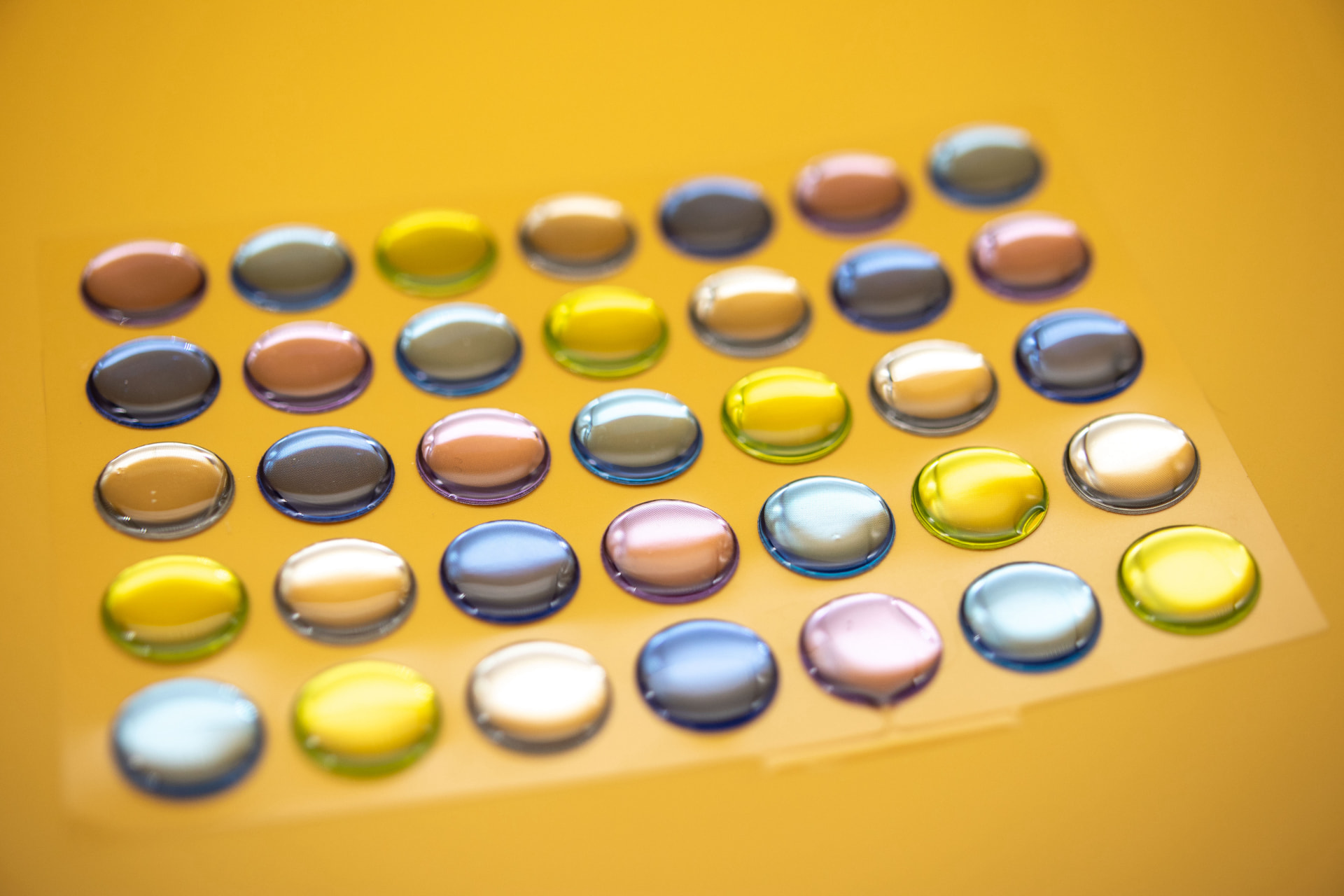
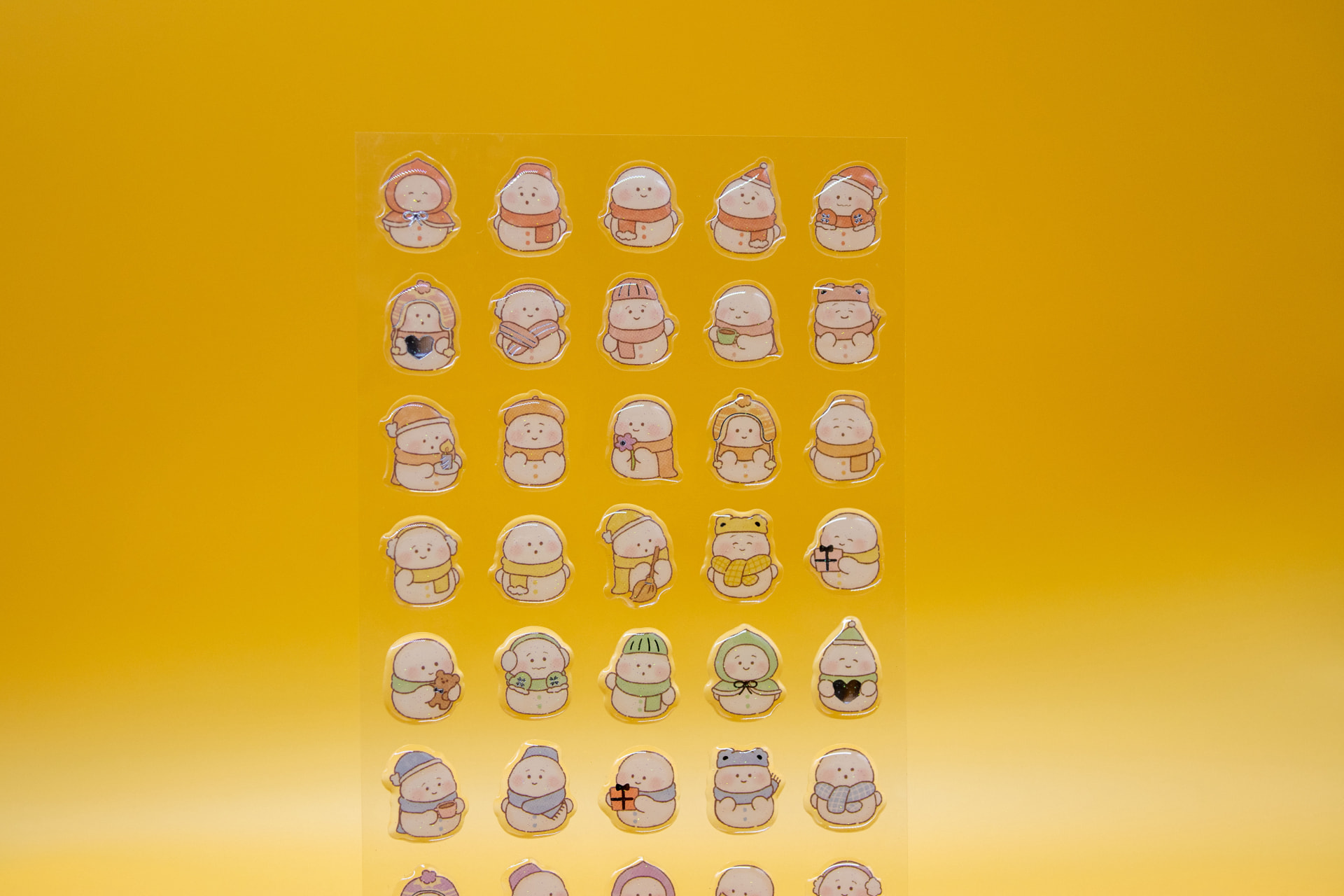
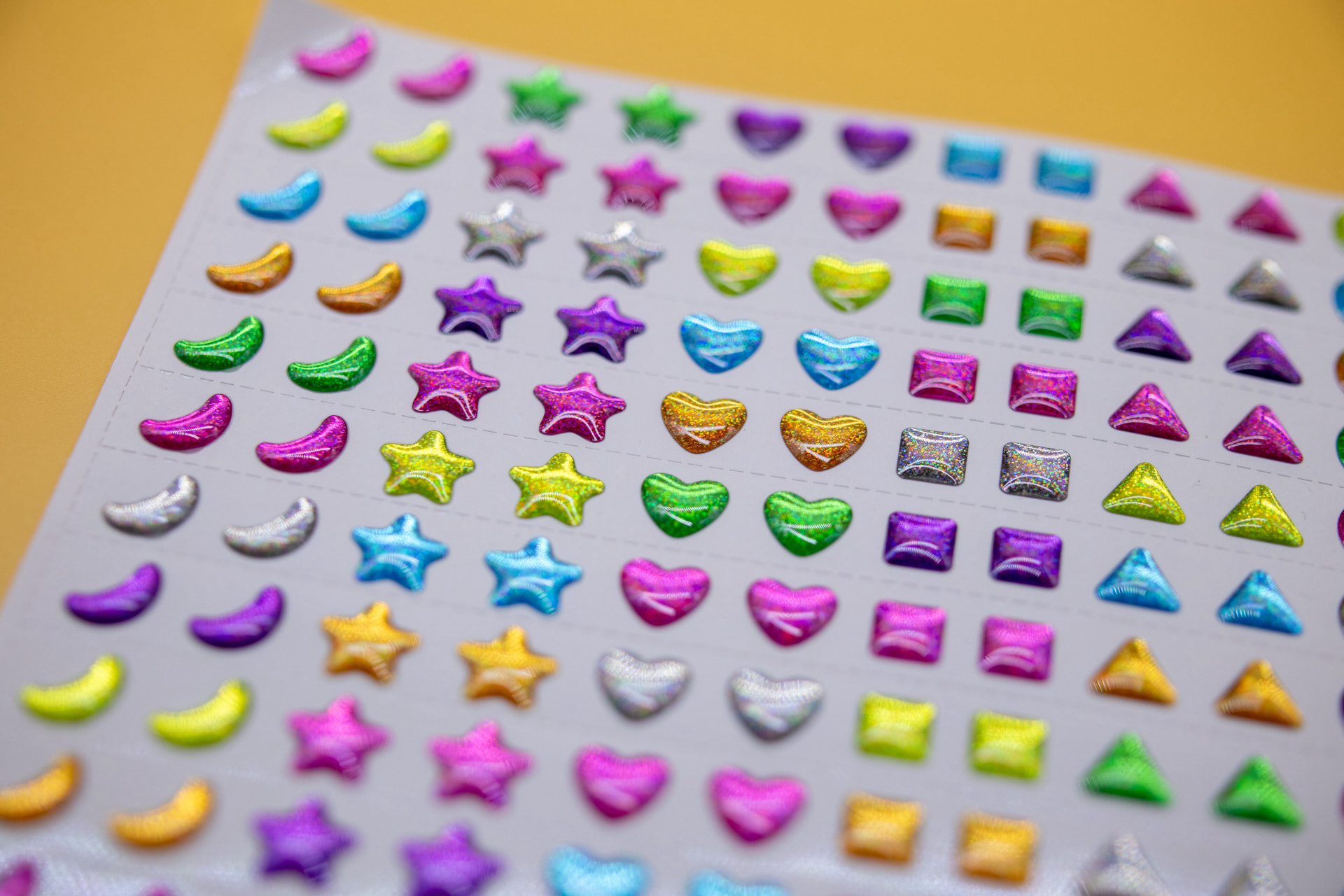
Typical Product Examples
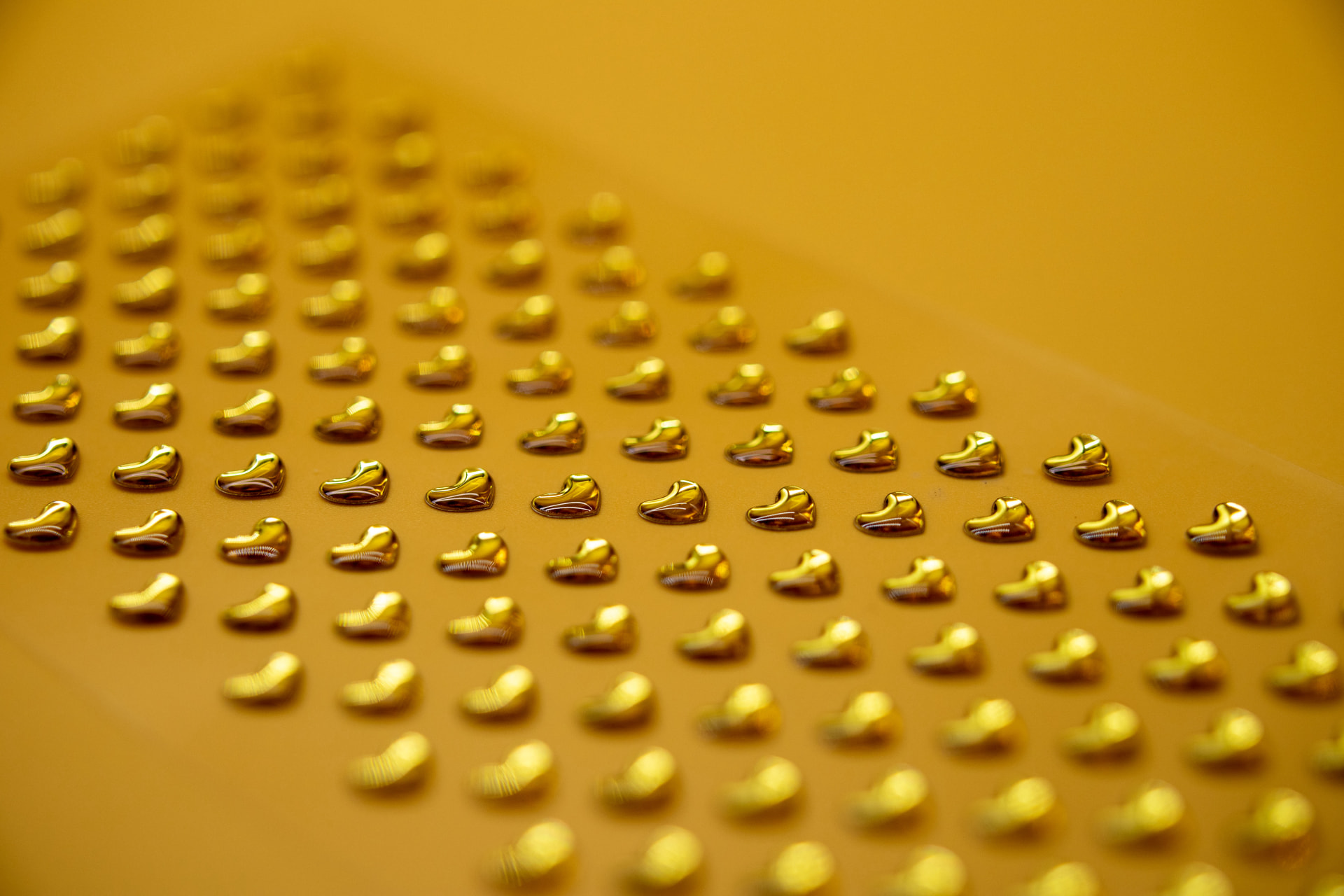
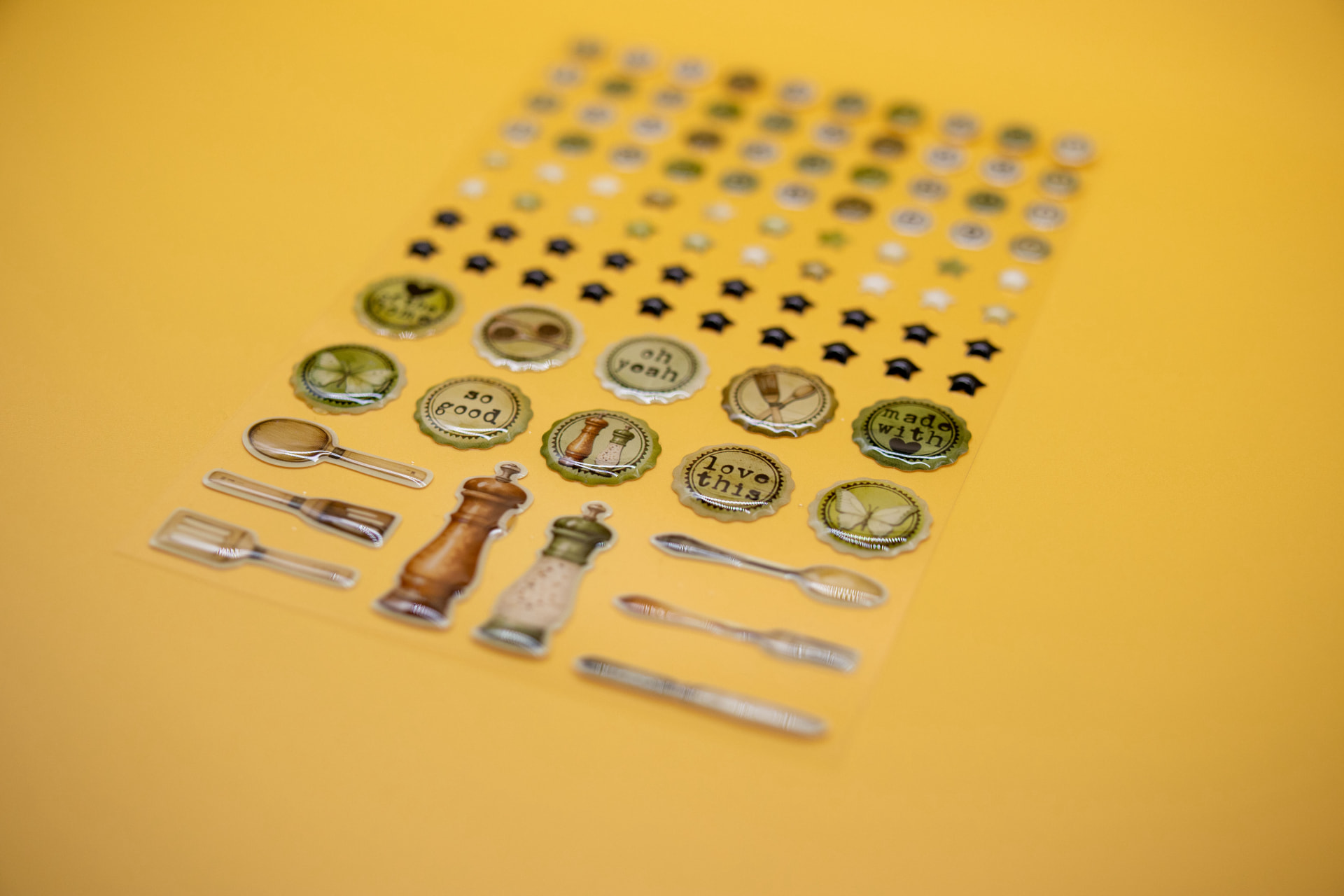
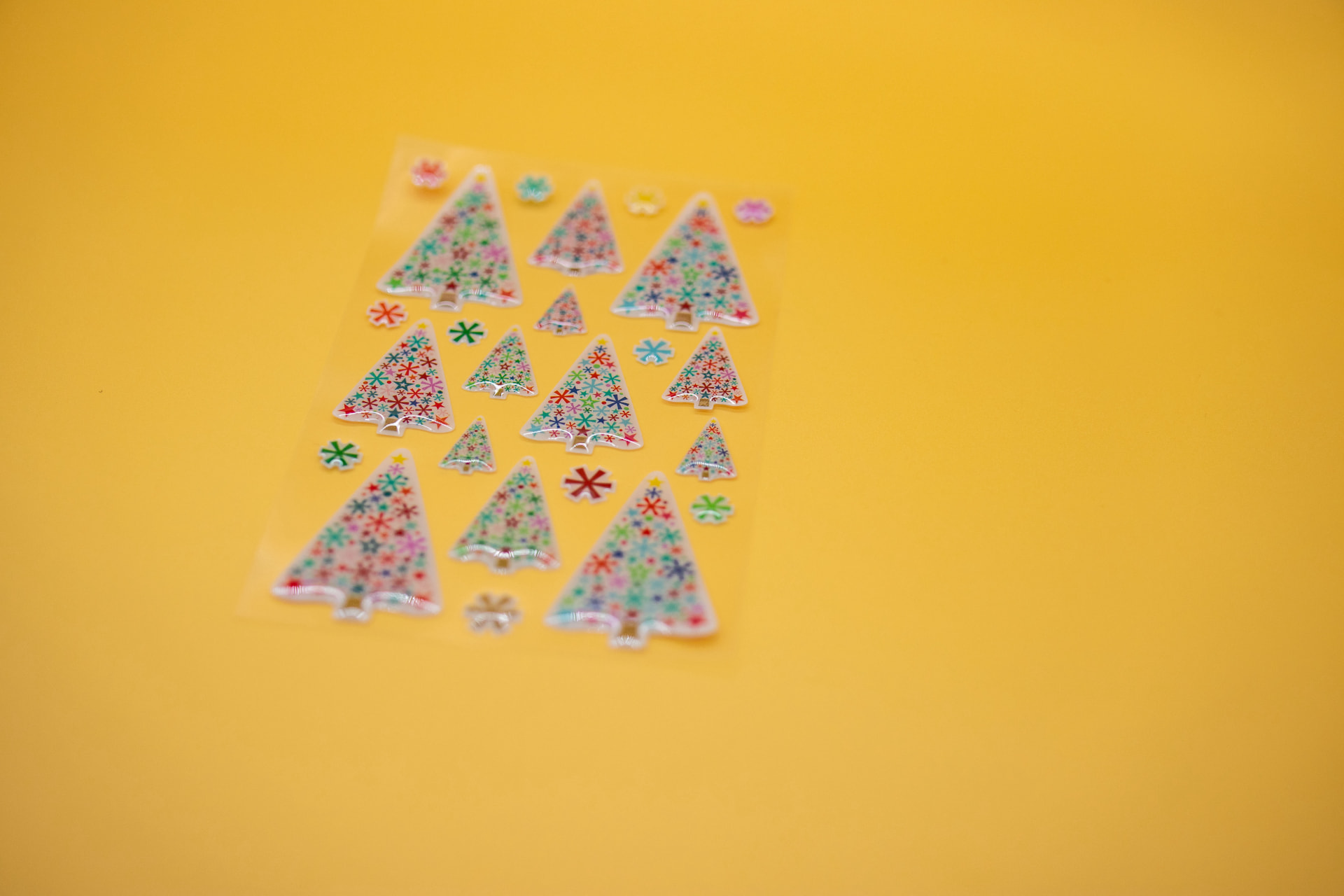
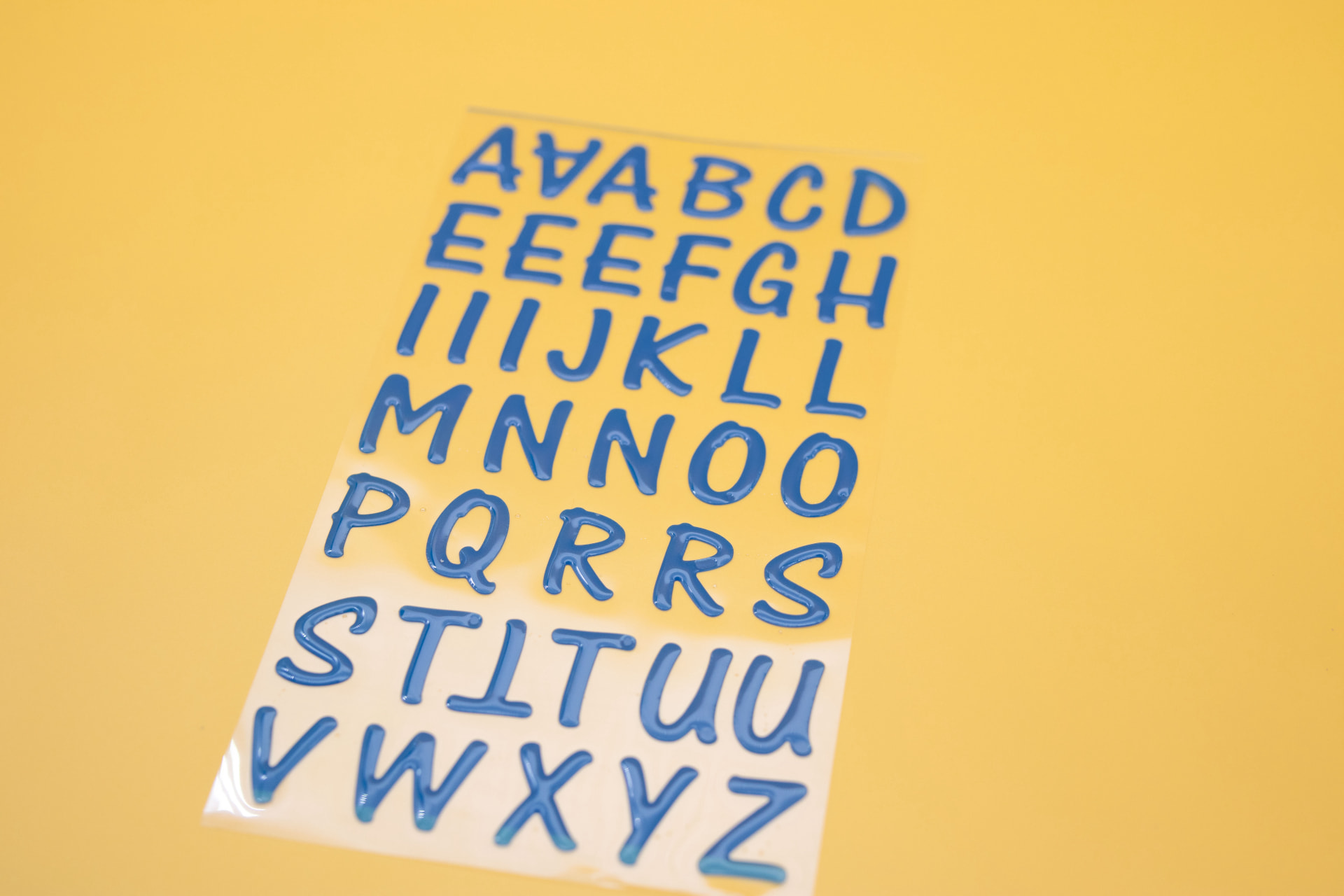
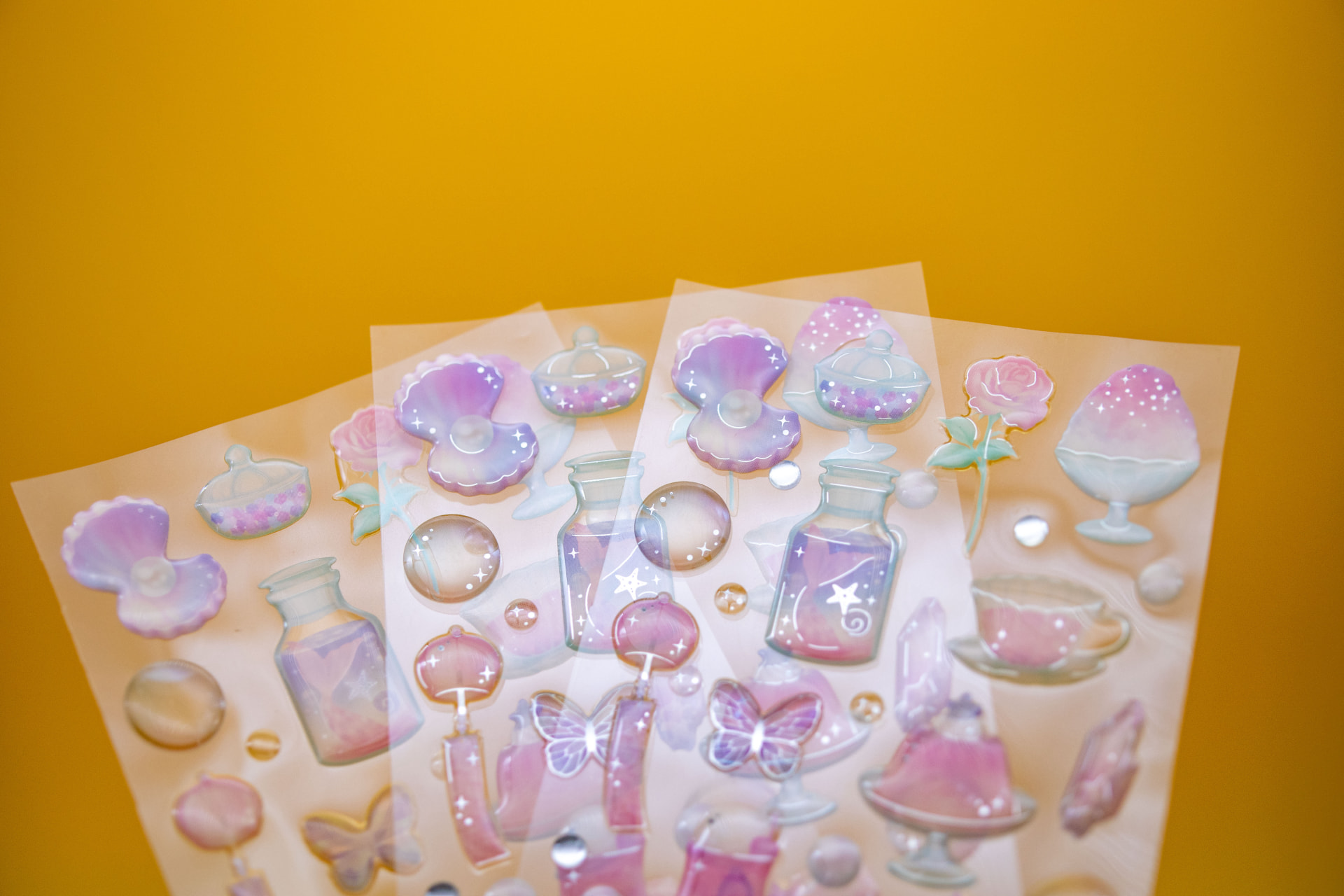
Examples of regular sheet layouts suited to saved paths and fixture-controlled positioning. Final setup depends on sheet size, spacing and repeatability.
See the Machine in Real Production
Watch regular sheet dispensing, resin flow and repeat production before choosing a model.
Multiple Dispensing Tips
Programming Tutorial
Simple Circle Sticker
Repeat Production and Resin Control
Technical Advantages
Production stability for regular sheet resin doming.
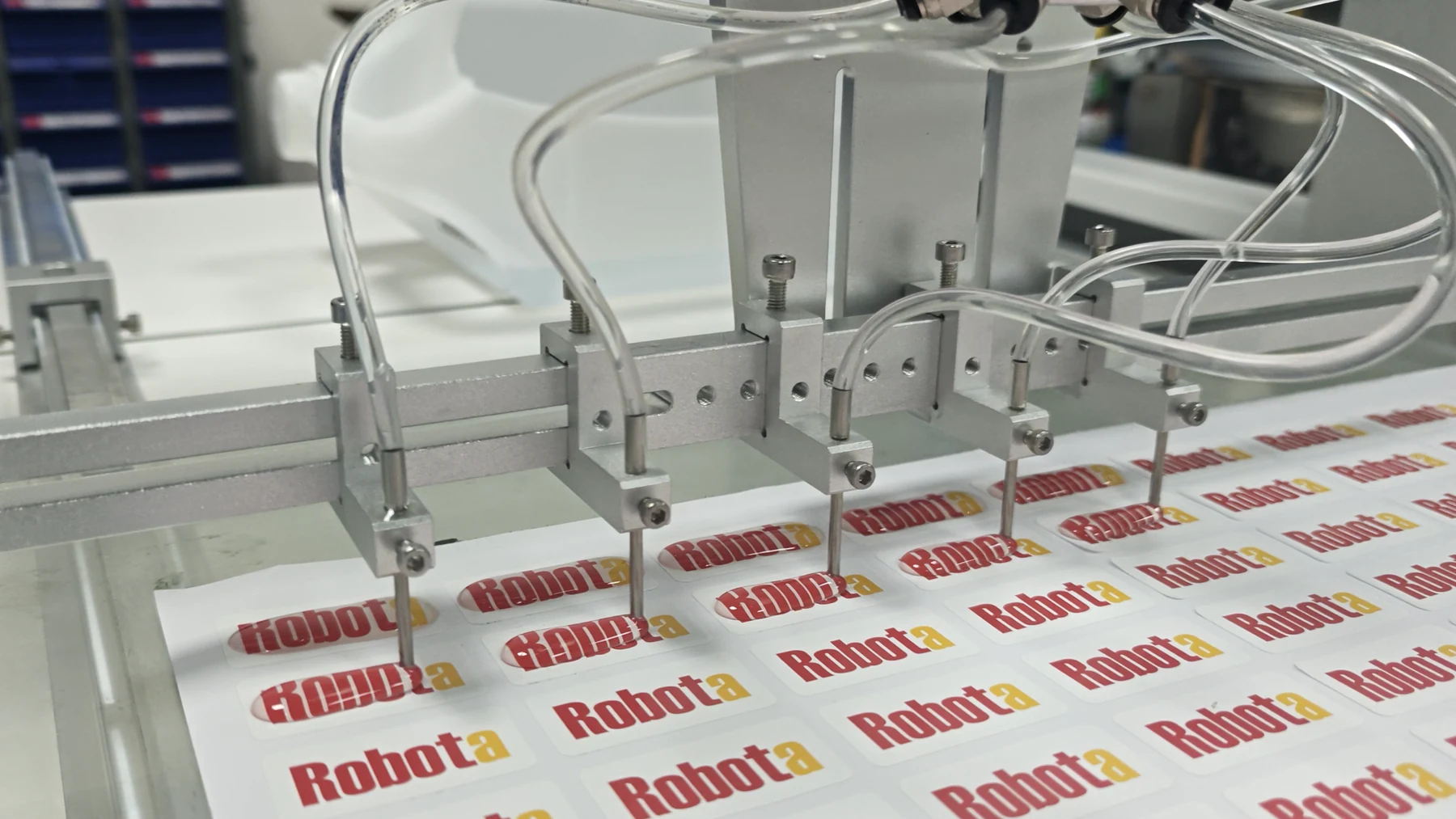
Repeatable 3-Axis Paths for Regular Layouts
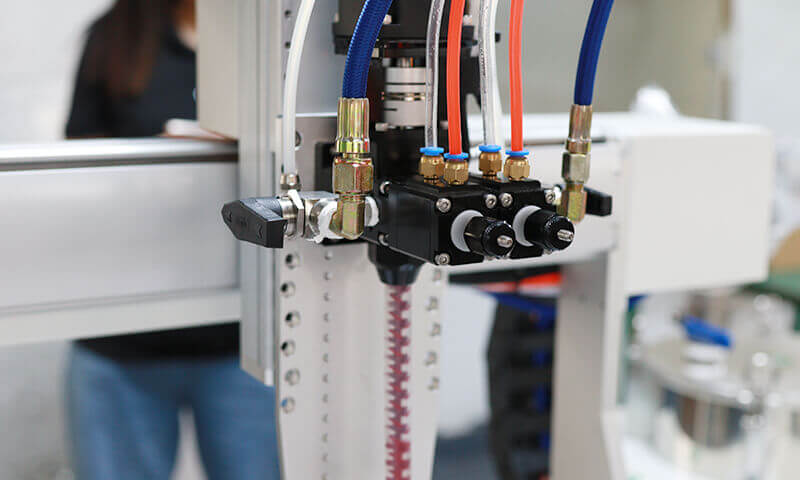
Dynamic Mixing with Suction Control
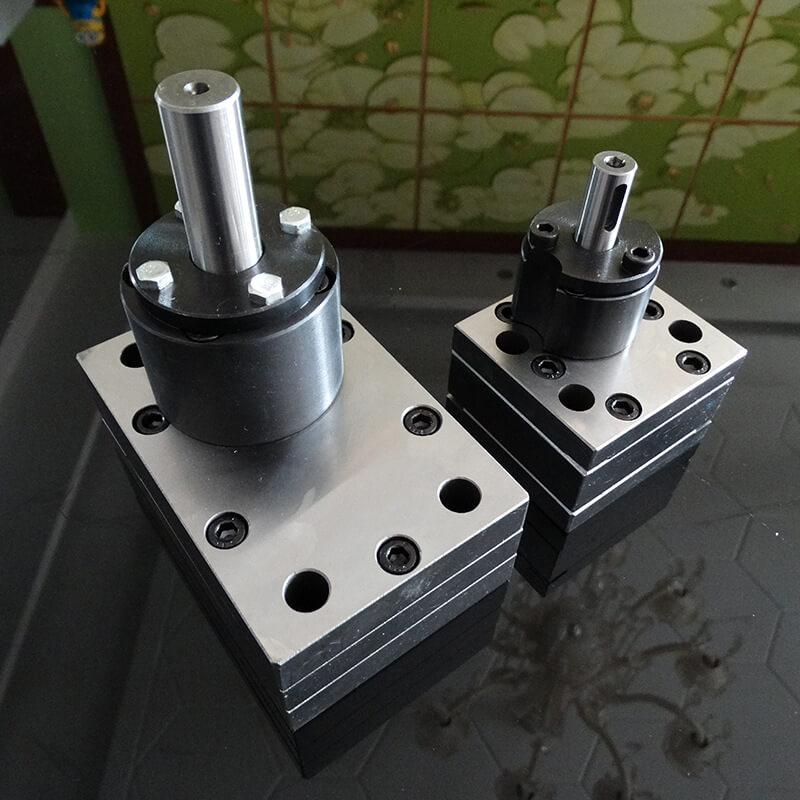
Gear-Pump Metering Matched to Shot Volume
Production Requirements Before Choosing 3-Axis Automation
Confirm the sheet, fixture, resin and target dome height before programming repeat paths.
| Requirement | What to Confirm | Why It Matters |
|---|---|---|
| Product Type | Domed decals, labels, badges, nameplates or regular keychain sheets | Product size, edge design and sheet format affect program design and dome height. |
| Sheet Layout | Regular rows, repeat spacing or fixture-positioned products | Saved paths can repeat when position is stable. A complex outline, holes or cutouts do not by themselves require CCD. |
| Platform Style | Desktop 3-axis upgrade or DJ771 floor-standing 3-axis platform | Desktop platforms suit compact repeat work; DJ771 uses a PJ180 resin unit with 700*700*100 mm XYZ travel for larger sheets. |
| Production Volume | Repeat orders, growing daily output or stable batch requirements | Automation makes sense when manual dispensing becomes the bottleneck and sheet layouts can repeat. |
| Resin Type | Epoxy, polyurethane or not sure | Viscosity, pot life, bubble control, dispensing volume and fixture flatness affect repeat dome height. |
| Positioning Risk | Stable fixture or controlled sheet positioning; product or print variation | If variation cannot be controlled mechanically, compare SJ4060. For frequent irregular-design changes, compare its visual path workflow as a separate setup consideration. |
| Sample Testing | Real sheet, artwork, resin and target dome height | Testing confirms whether saved programs deliver the required output and consistency. |
Desktop vs Floor-Standing 3-Axis Setup
| Setup | Resin Unit | Platform Type | Best For | Watch Out For |
|---|---|---|---|---|
| DJ331 Desktop 3-Axis Platform | PJ180 compatible | Desktop 3-axis platform; 300 x 300 mm working area | Compact regular sheets, limited space and repeat paths | Confirm fixture size, usable sheet area and hose routing before quotation. |
| DJ6331 Dual-Y-Axis Setup | PJ180 resin metering/mixing unit | Two Y-axis workstations, each with a 300 x 300 mm working area | Buyers upgrading from semi-auto to automatic motion | Confirm the real product sheet, fixture stability and resin viscosity. |
| DJ771 Floor-Standing 3-Axis Setup | PJ180 resin unit | 700*700*100 mm floor-standing 3-axis platform | Larger regular sheets, stable repeat orders and saved programs | Compare vision if placement variation cannot be controlled by fixtures, or if frequent design changes make visual path setup more practical. |
| SJ4060 CCD Vision-Guided Setup | Matched by resin and product type | Camera alignment with visual path programming | Variable placement, or frequent irregular-design changes that benefit from on-screen path editing | Validate recognition, path-setup effort and dispensing results with the real sample. |
Robota
Optional Configurations
Specification
| Model | DJ771 | DJ1010 | DJ0815 | DJ1224 |
|---|---|---|---|---|
| Dimension (L*W*H) | 150*128*150 CM | 178*135*150 CM | 196*159*150 CM | 288*202*150 CM |
| Weight | 340 Kg | 420 Kg | 490 Kg | 580 Kg |
| X/Y/Z Working Range (mm) | 700*700*100 | 1000*1000*100 | 800*1500*100 | 1200*2400*100 |
| A/B Glue Tank | A Tank: 20 L; B Tank: 20 L; Cleaning Tank: 5 L – Customizable | |||
| Dispensing Precision | Glue Amount ±2%, Glue Proportion ±2% | |||
| Glue Ratio | 1:1-3:1 (Adjustable) | |||
| Programming | Teach Pendant | |||
| Metering Pump | Gear/Screw Pump – selected by resin and target shot volume | |||
| Control | Smart Motion Control Card + Touch Screen (Program setting, Modify, Save) | |||
| Patterns | Lines, Circles, Arcs, Continuous Paths, 3D Linear Interpolation | |||
| Mixing System | Dynamic mixer (standard) | |||
| Speed/Repeatability | Max 250mm/s, ±0.05mm | |||
| Input Pressure Range | 0.5-0.8 MPa | |||
| Power | 220V 50Hz 1000-2000W | |||
Commercial & Support Information
Use these terms to plan a DJ771 purchase. The real sheet, fixture, resin and output target must be reviewed before the platform and dispensing configuration are fixed.
| Purchase Information | DJ771 Details |
|---|---|
| Lead Time | Production lead time is at least 10 days and is typically about 14 days after the final configuration and order details are confirmed. Custom functions, fixtures, voltage changes or other special requirements may extend the schedule. The confirmed date is stated in the quotation or order confirmation. |
| Warranty | 12 months from the date the customer receives the machine. Coverage details and exclusions for consumables and wear parts are defined in the formal quotation and contract. |
| Pre-shipment FAT | Pre-shipment FAT covers the confirmed XYZ motion, programming, metering, mixing, cleaning and agreed sample run. Test notes, photos or video can be supplied. |
| Installation & Training | Remote setup and operator training are supported with detailed operating manuals and an extensive video tutorial library. On-site installation has no separate service fee, but the customer covers the engineer's transportation, local travel, accommodation, meals, insurance and other trip-related expenses. Availability and schedule must be confirmed in advance. |
| Spare Parts | Recommended first-order consumables include mixers, dispensing needles or nozzles, seals, O-rings and hoses. Pump maintenance parts, fixture-related items and other model-specific spares are confirmed after the final configuration is approved. |
| Electrical & Documentation | The published DJ771 electrical range is 220 V / 50 Hz / 1000-2000 W, depending on the confirmed dispensing configuration. Other electrical requirements, interface language, operating manual, wiring documents and certification status are confirmed before order. |
Sample Testing Workflow Before Purchase
Test a real sheet layout first, then confirm whether saved 3-axis programs can deliver the output and consistency you need.
Send sheet samples
Share product photos, sheet layout, dimensions, material, spacing, target dome height and monthly volume.
Check resin compatibility
Confirm epoxy or polyurethane resin by testing clarity, adhesion, curing behavior and bubble risk.
Run a 3-axis test
Test saved dispensing paths, edge hold, dome height and repeatability on your actual sheet.
Confirm machine setup
Review output notes, resin setup, fixture needs and whether CCD comparison is required.
Request a Free Demo or Sample Test
Use this form to request a 3-axis sample test. Robota will review your sheet details, confirm the fixture and resin information required and arrange the next step.
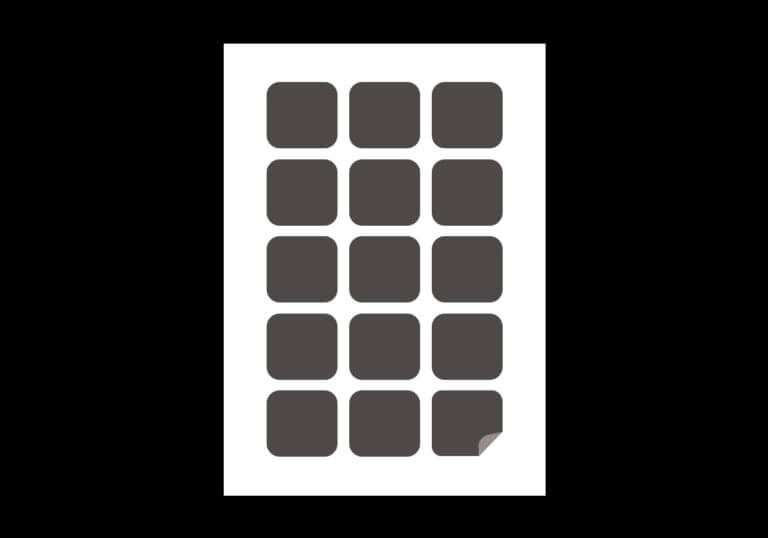
Regular Layout Sheet
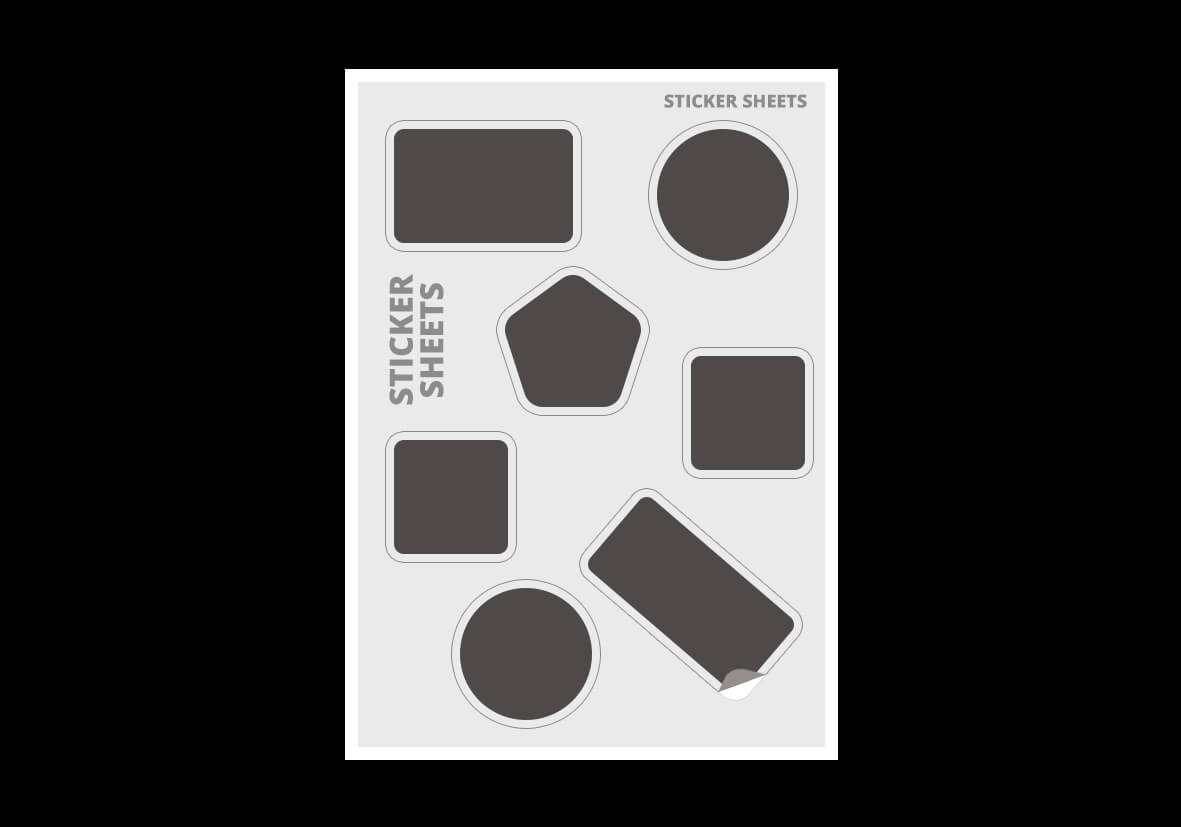
Mixed Shapes / Irregular Layout
What You Receive
- Sample-run observations for saved paths, edge hold and repeat dome height
- Desktop 3-axis or DJ771 platform recommendation based on sheet size and space
- Fixture, resin and optional multi-head setup notes
- Follow-up quotation after the process direction is confirmed
*Your details will be kept strictly confidential with us.
Common Questions Before Choosing a 3-Axis Doming Machine
Use these answers to compare 3-axis automation with semi-auto and CCD before sending samples.
When is a 3-axis automatic doming machine the right choice?
It is the right choice when products return to a repeatable position, orders repeat often, and saved dispensing programs can improve output and consistency.
Is 3-axis automation suitable for irregular or mixed layouts?
It depends on repeatability, not simply the outline shape. If every sheet returns to the same position, DJ771 can follow saved paths for complex outlines, holes and cutouts.
Can it work with both epoxy and polyurethane resin?
Yes, but the setup depends on resin ratio, viscosity, curing behavior, bubble control and use environment. Sample testing is recommended before purchase.
What information is needed before programming the machine?
Send product dimensions, sheet layout, spacing, material, target dome height, expected volume and resin information. Fixture or sheet positioning details are also helpful.
When should I choose CCD vision instead of 3-axis?
Compare SJ4060 when placement or print position varies, or when frequent irregular-design changes make on-screen path creation and editing more practical. Validate the workflow with the actual sample.