Domed Decals Production Guide & Resin Doming Machine Solutions

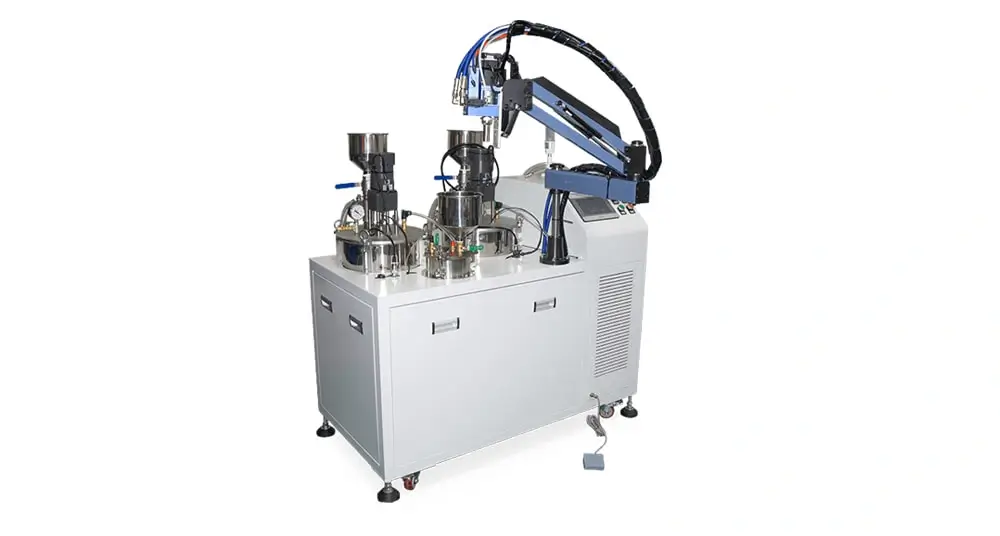
Choose the doming setup by decal layout first: simple flat samples can start semi-auto, repeat sheets fit 3-axis, while mixed outlines, small gaps or outdoor decals may need CCD vision and PU testing.

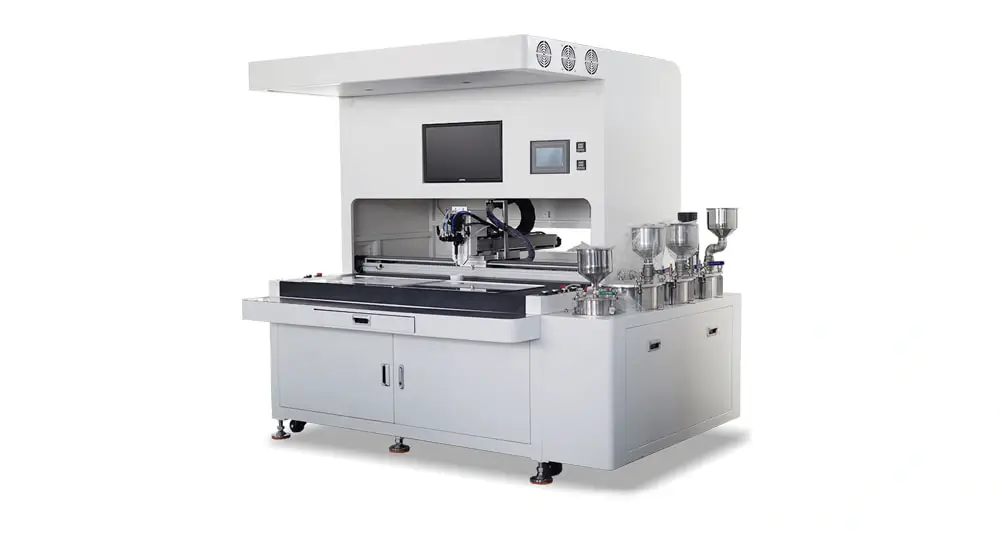
CCD vision-guided resin doming machine for labels and decals

Best for

Custom logo decals, product branding decals, outdoor decals, promotional decals, and sheet-based resin decals.

Machine selection

Semi-auto, DJ771 or CCD vision system matched by layout, volume & positioning accuracy

Recommended resin

Epoxy Resin or Polyurethane Resin (Matched for clarity & durability)
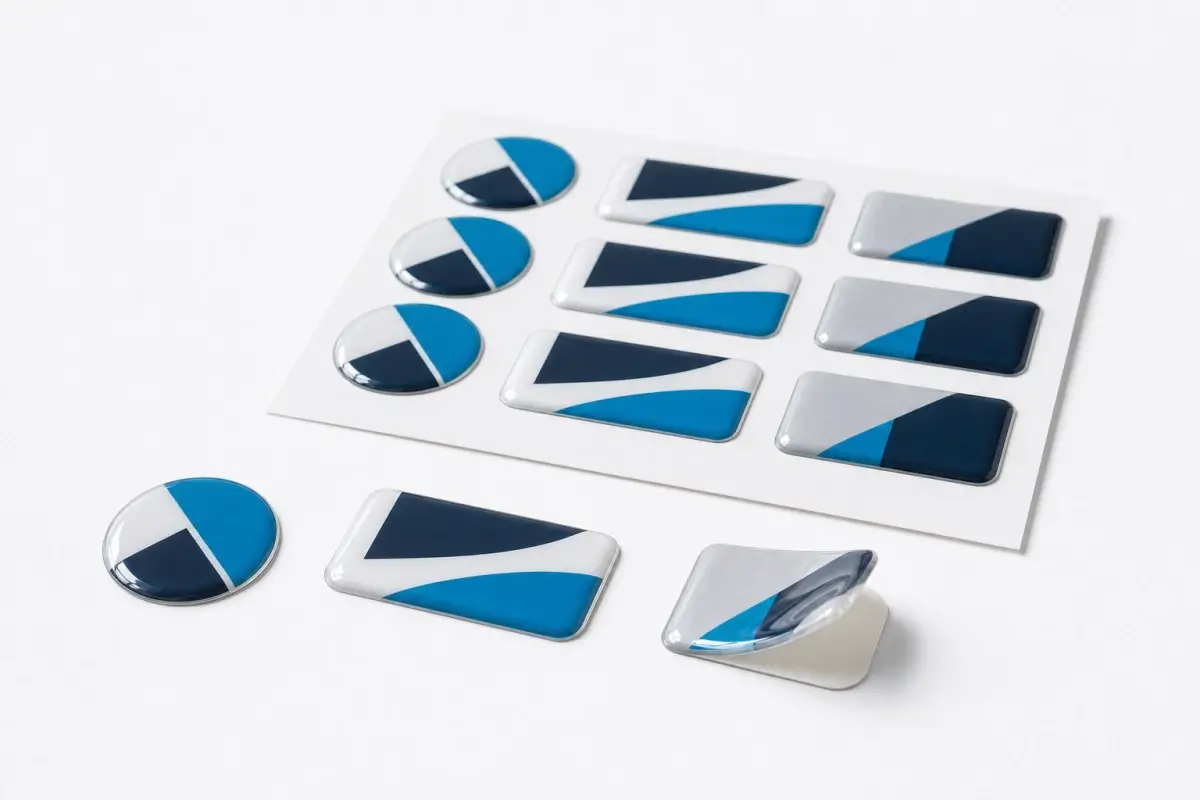
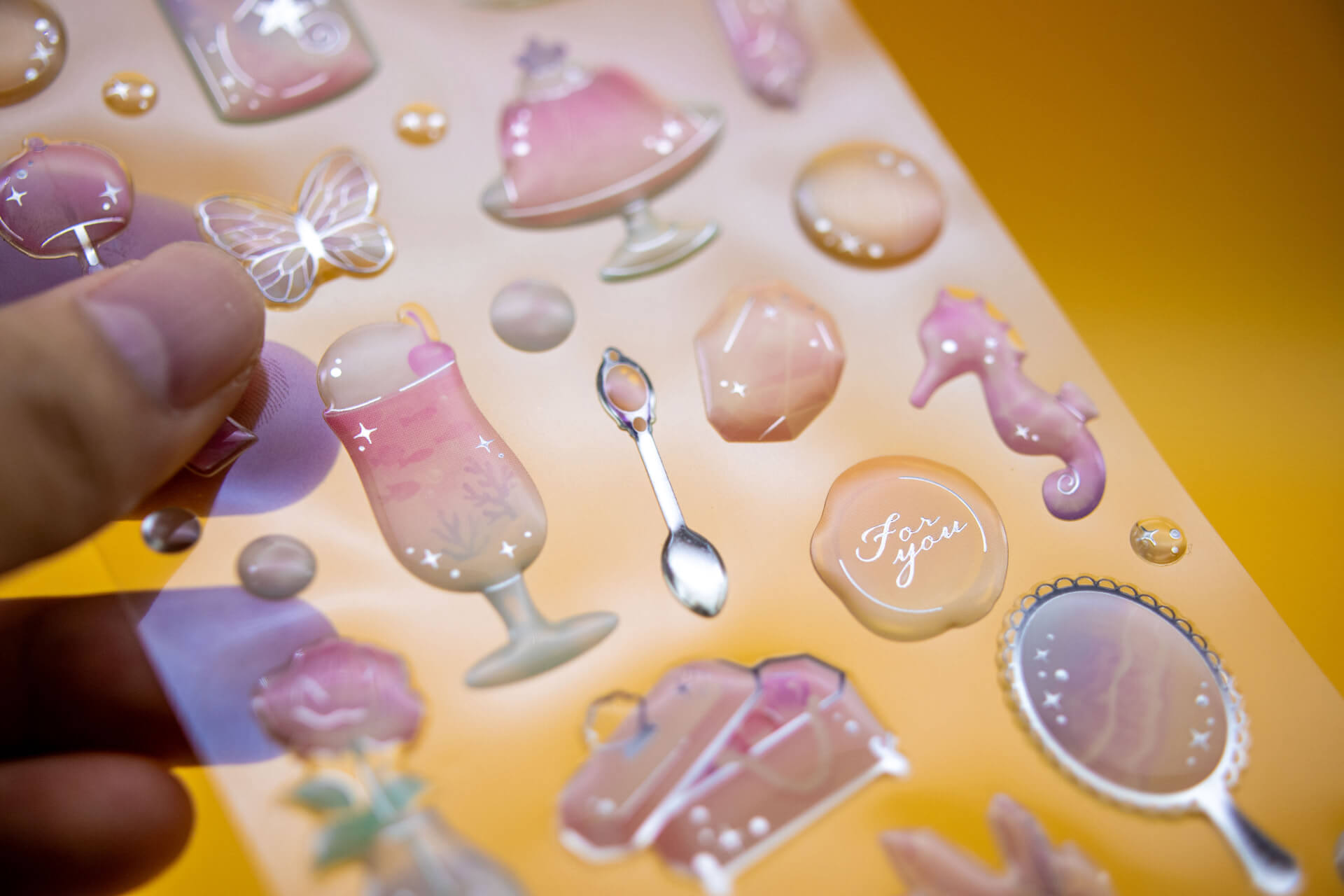
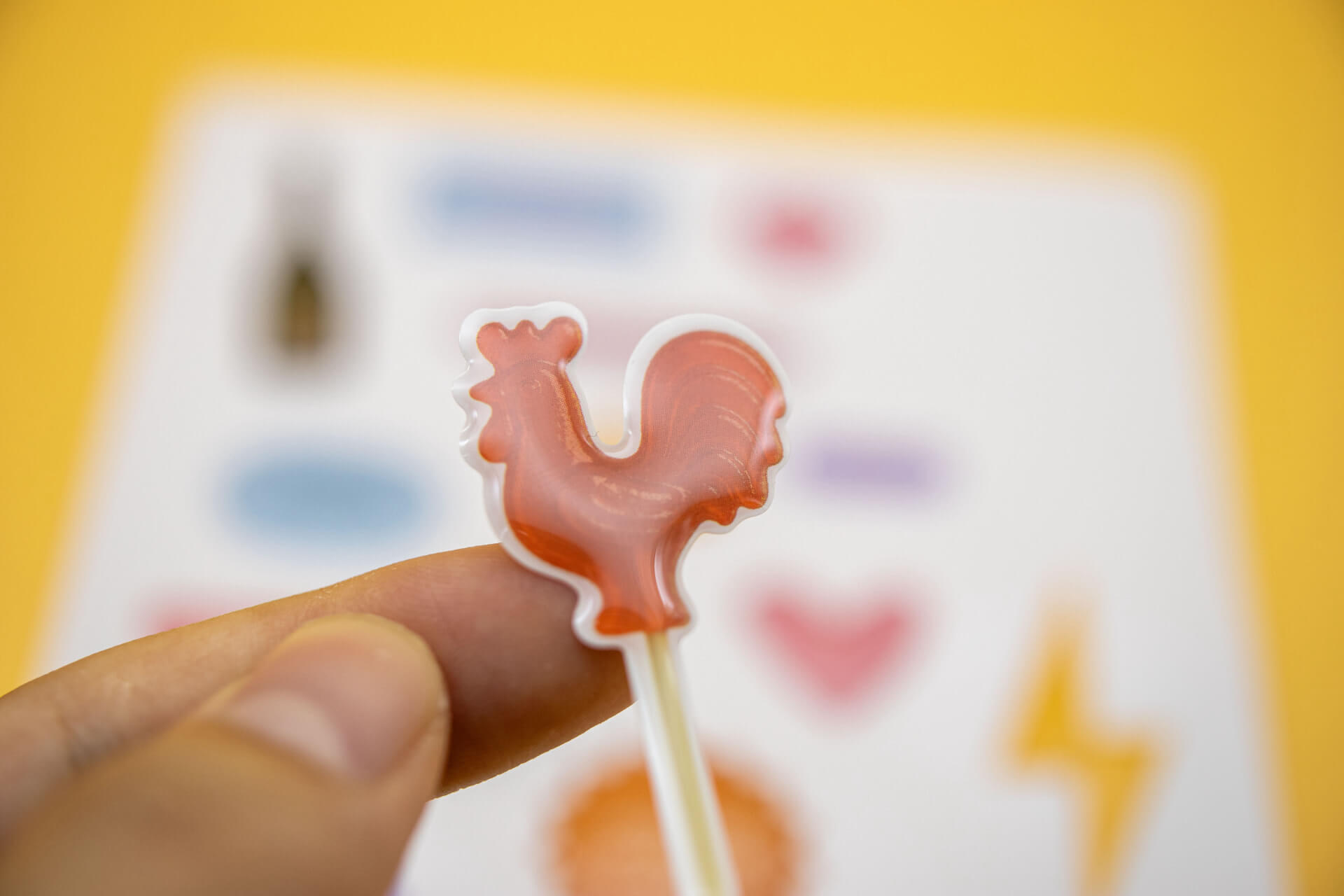
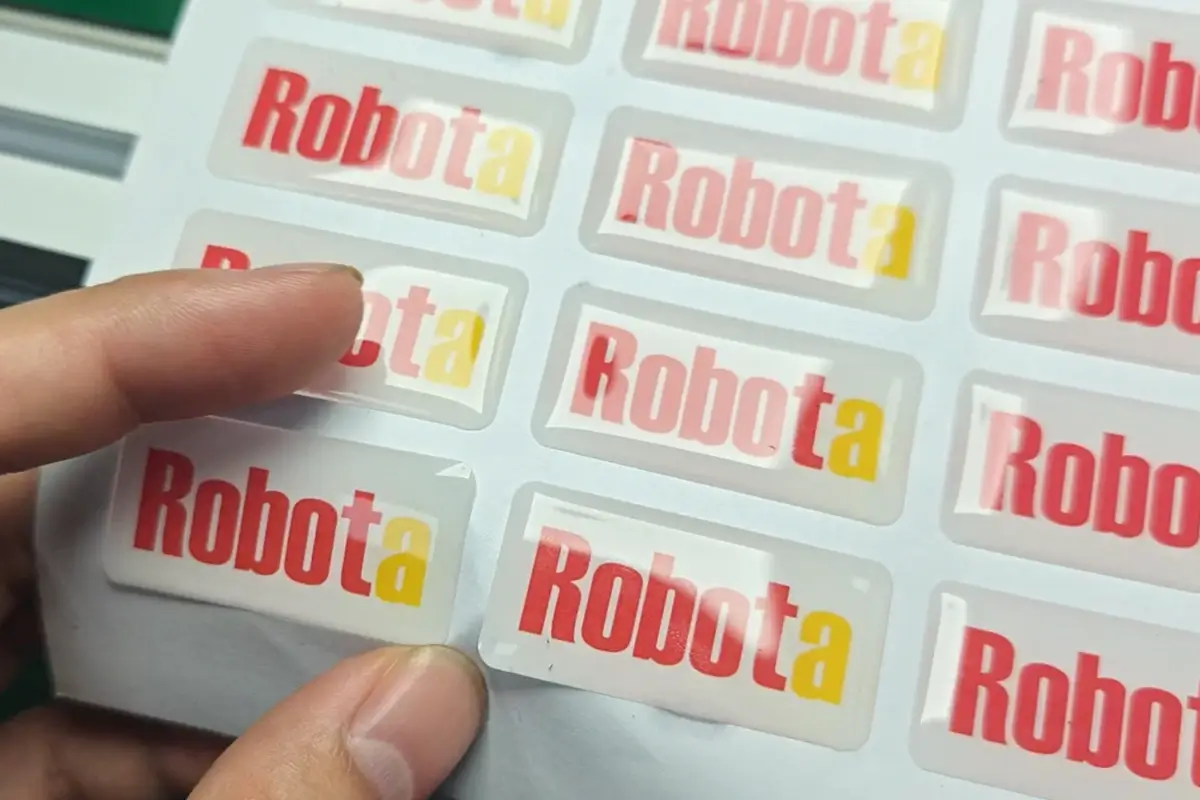
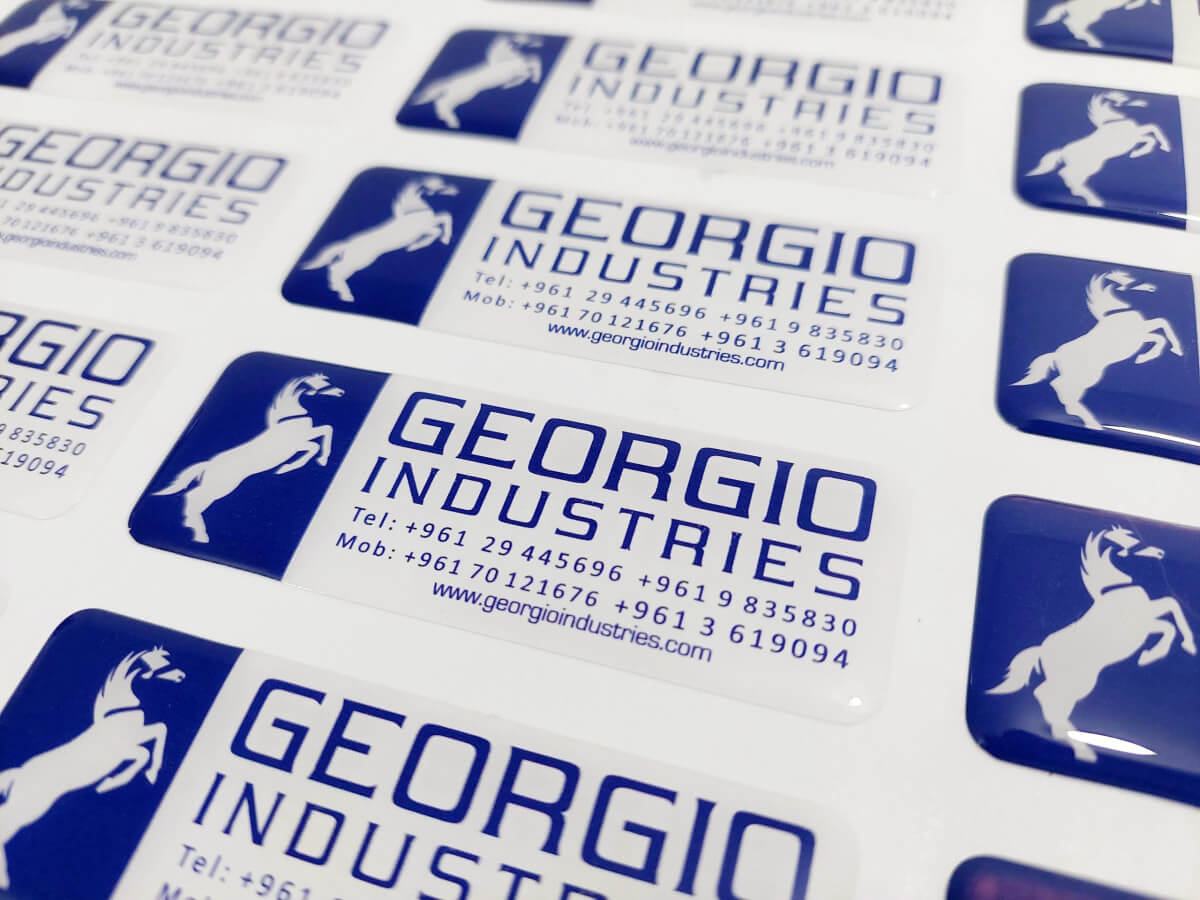
Round logo decal sample with clear raised resin domeBrand decal sample with transparent resin dome finishSports logo decal sample with raised resin coatingMotorcycle decal sample with glossy resin doming finish

What Are Domed Decals?

Domed decals are printed graphics coated with a clear layer of resin, creating a raised, 3D effect. The dome enhances appearance, protects the print, and increases durability. They are widely used for branding, product labeling, and promotional items.
Clear 3D resin layer creates depth without hiding artwork details
Epoxy or PU resin should be matched to indoor, outdoor and flexible use
Machine choice depends on layout repeatability, small gaps and placement risk

Why Use Resin Doming for Decals?

Use resin doming when decals need a raised glossy finish, protected print surface and stable edge control across real use conditions.

Raised Gloss for Logos

Clear resin adds depth to printed logos while keeping colors, text and small artwork details visible.

Print & Edge Protection

A controlled dome helps protect ink, laminate and decal edges from scratches, light chemicals and moisture.

Repeat Sheet Production

Stable decal sheets can move from manual samples to repeatable 3-axis dispensing when orders become predictable.

Outdoor / Flexible Options

PU resin can be tested for decals exposed to sunlight, bending, moisture or frequent handling.

Production Requirements for Domed Decals

Key parameters to consider before starting your domed decal production.
RequirementOptions / RangeNotes

Decal Material
PVC, Polycarbonate (PC), PET, Aluminum, ABSSurface should be clean, flat, and free from dust or oil.

Product Shape
Flat decals, slightly curved parts, irregular outlines, or mixed sheet layoutsIrregular outlines, mixed layouts, or curved/premium parts may require CCD vision positioning or custom fixtures.

Production Volume
Low, medium, or high-volume productionProduction volume affects the recommended machine configuration and automation level.

Resin Type
Epoxy resin or polyurethane resinSelect the resin according to indoor, outdoor, UV resistance, and flexibility requirements.

Dome Height
0.5 mm – 6 mmTypical dome height is adjustable based on decal size, edge design, and resin viscosity.

Use Environment
Indoor or outdoor useOutdoor decals normally require UV-resistant polyurethane resin and suitable printed substrates.

Common Production Challenges

Understanding these challenges helps you decide whether a semi-auto, 3-axis automatic, or CCD vision-guided setup is more suitable.

Bubbles Under Clear Domes

Transparent decal surfaces make trapped air obvious, especially on larger logos, clear films or higher domes.
Solution:
Use stable mixing, vacuum degassing and controlled needle height before dispensing.

Edge Overflow / Connected Domes

Small decals, narrow gaps or too much resin can cause overflow or connected domes.
Solution:
Adjust resin volume, viscosity, path offset and sheet spacing before mass production.

Uneven Dome Height

Different decal sizes, sheet flatness or Z-height variation can create visible dome differences.
Solution:
Calibrate Z-height, resin volume and fixture flatness with real decal samples.

Outdoor Resin Mismatch

Indoor epoxy may look clear at first, but outdoor or flexible decals may need PU resin and aging checks.
Solution:
Match resin to UV, flexibility, substrate and expected use environment.

Mixed Layout Positioning

Different outlines, small gaps or variable decal placement can make fixed-path programs unreliable.
Solution:
Use CCD vision when decal positions vary, or use 3-axis only for stable repeat sheets.
Purchase Risk Check

What Can Go Wrong If You Choose the Wrong Domed Decals Setup?

Decal doming looks simple, but the wrong setup can create scrap after the artwork has already been printed. Machine choice should follow decal shape, sheet repeatability, resin flexibility and the real use environment.
Risk 01

Wrong machine for mixed layouts

Risk A regular 3-axis program works best with repeatable sheets. If decal positions vary, camera positioning may be needed.
Result Misaligned resin, edge overflow and higher rework on irregular decals.
Risk 02

Wrong resin hardness

Risk Hard epoxy can look clear on flat indoor decals, but flexible or outdoor decals may need polyurethane.
Result Cracking, curling, yellowing or poor long-term durability.
Risk 03

No bubble control

Risk Resin mixing, viscosity and degassing need to match the decal size and dome height.
Result Visible air bubbles under the dome and rejected finished decals.
Risk 04

Poor edge control

Risk Small decals and narrow gaps need stable resin volume and a tested dispensing path.
Result Overflow, connected domes and inconsistent glossy edges.
Risk 05

Skipping sample testing

Risk Printed ink, laminate and adhesive layers can all affect resin adhesion and appearance.
Result Defects only appear after mass production starts.
Best next step: Send real decal samples or printed sheets before final machine selection, especially if the layout contains mixed sizes, small gaps or outdoor-use materials.

How to Choose the Right Domed Decal Machine & Resin Setup

No single machine fits every domed decal workflow. Match the machine to your decal layout, repeatability, volume, precision requirements, resin type, and budget.
Semi-auto resin doming machine for sample testing and small batch production
Samples / Low Volume

Semi-Auto Doming Machine

Best for: Sample testing, startups, small batches, simple flat decals, and lower-budget production.

  • Fast setup
  • Lower initial cost
  • Manual loading
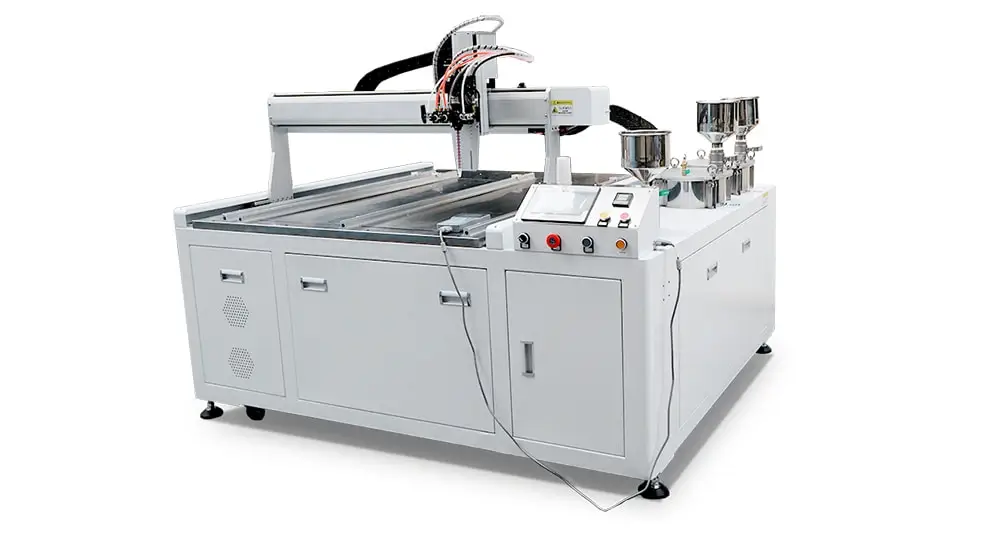
3-axis automatic resin doming machine for regular sheet label and decal production
Regular Layout Production

3-Axis Automatic Doming Machine

Best for: Regular sheet layouts, repeat orders, stable decal sizes, and medium-to-high volume production.

  • High efficiency
  • Stable repeat dispensing
  • No vision system required
CCD vision-guided resin doming machine for mixed layouts and precision positioning
Mixed / High Positioning Risk

CCD Vision-Guided Doming Machine

Best for: mixed outlines, variable placement, small gaps, curved or premium decals, and high-precision positioning.

  • Camera positioning
  • Fewer alignment defects
  • Better for mixed layouts

Recommended Resin Setup

Epoxy Resin

  • Excellent clarity and hardness
  • Hard surface with high scratch resistance
  • Better for indoor decals and rigid glossy surfaces
  • Typical curing: 12–24 hours at 25°C

Polyurethane Resin

  • Good flexibility and impact resistance
  • Better for curved or flexible surfaces
  • Better UV resistance for outdoor decals
  • Typical curing: 8–12 hours at 25°C
Resin selection depends on product use, required hardness, flexibility, UV resistance, and expected working environment.

Domed Decal Machine + Resin Selection Table

Use this table as a starting point. Final machine and resin selection should be confirmed with sample testing.
Application / LayoutBest Fit / TriggerRecommended MachineRecommended ResinKey Benefit
Simple Flat DecalsSamples, small batches, simple shapesSemi-Auto Doming MachineEpoxy or PU based on useLow cost, easy setup, flexible start
Regular Sheet DecalsNeat layouts, repeated decal sizes, stable ordersDJ771 3-Axis Automatic Doming MachineEpoxy or polyurethane resinStable output without vision positioning
Mixed Outlines / Small GapsVariable placement, premium decals, curved or irregular layoutsSJ4060 CCD Vision-Guided Doming MachinePU or epoxy based on useCamera alignment for fewer positioning defects

Sample Testing Workflow (Before You Buy)

Try before you commit. Our free sample testing ensures the right setup for your decals.
1

Send decal samples

Provide your decal samples, size, material, and usage environment.

2

Resin compatibility test

We test resin clarity, adhesion, and curing on your samples.

3

Dome height adjustment

We fine-tune dispensing program to reach your target dome height.

4

Video / report + quote

Receive test video, report, and machine + resin recommendation.
What to Provide for a Quote

What To Provide?

  • Decal samples or design files
  • Decal size (length x width x thickness)
  • Decal material
  • Target dome height
  • Monthly production volume
  • Indoor or outdoor use
  • Existing process (if any)
  • Special requirements

Decal Examples

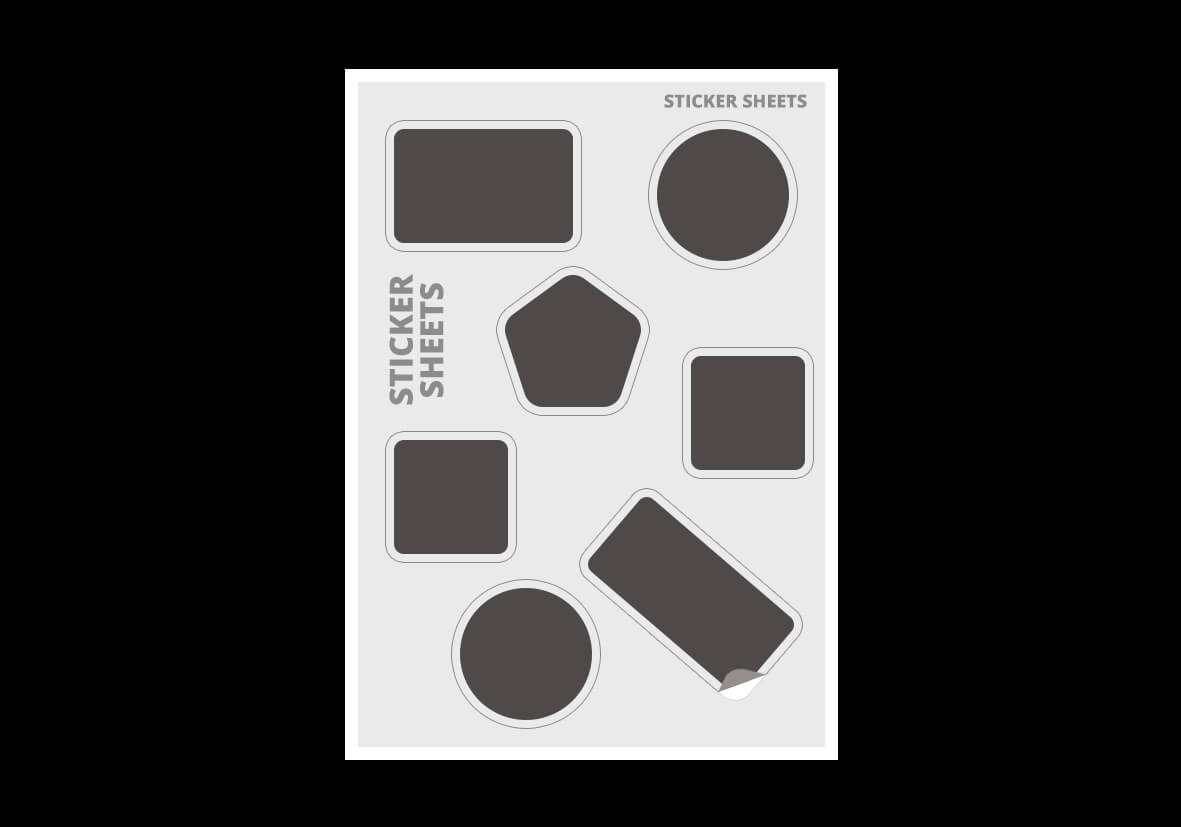
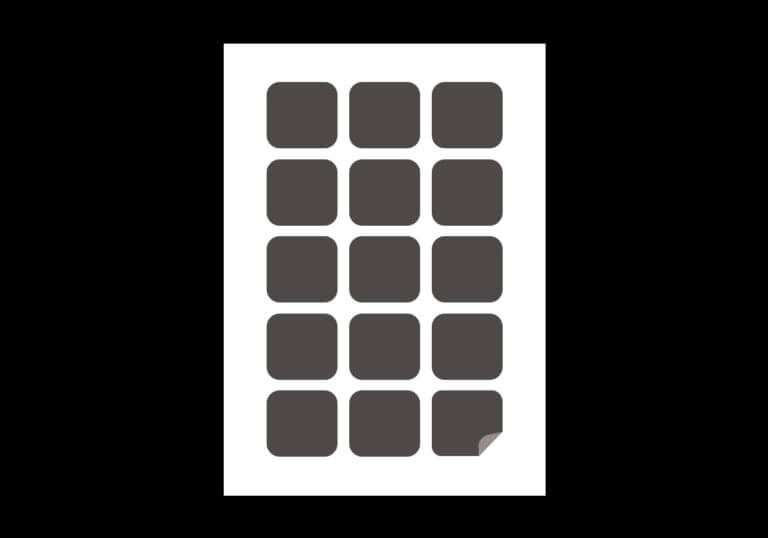
Regular sheet layout for domed decal sample testing

Regular Layout Sheet

Multi-up sheets, uniform shapes
Mixed decal shapes for CCD vision doming test

Mixed Shapes / Irregular Layout

Various shapes and placements
*Your details will be kept strictly confidential with us.

FAQ About Domed Decal Production

Last updated: June 24, 2026. Technically reviewed by Robota application team for decal layout, resin selection, machine matching and sample testing guidance.

Contact Us

*Your details will be kept strictly confidential with us.