Domed Keychains Production & Resin Doming Machine Solutions

Produce glossy resin domed keychains, acrylic key tags, metal key tags and souvenir accessories. Match the machine by material, hole layout, sheet repeatability, order volume and target dome height before purchase.
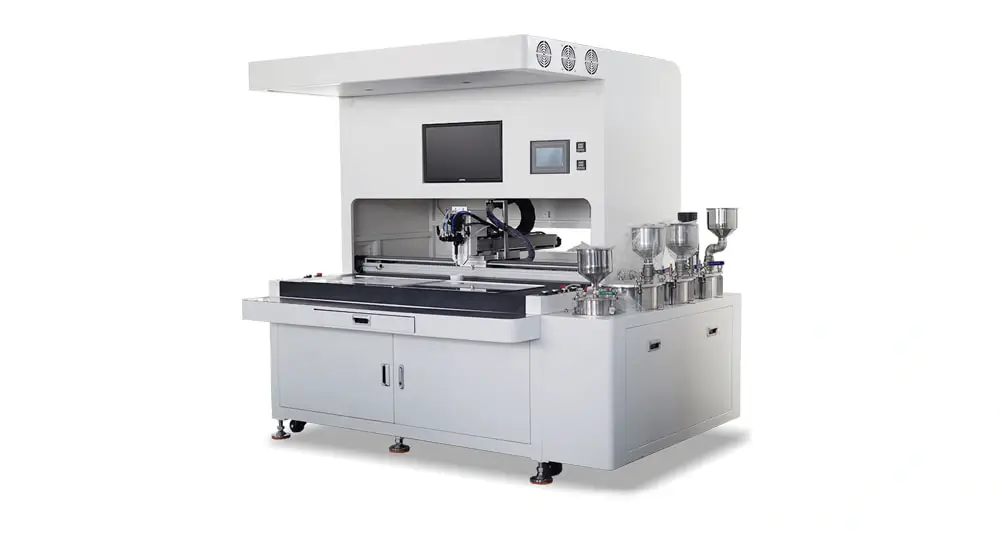
CCD vision-guided resin doming machine for labels and decals

Best for

Acrylic keychains, metal key tags, PVC tags, souvenir keychains, luggage tags and custom promotional key accessories.

Machine selection

Semi-auto, 3-axis automatic or CCD vision system matched by sheet layout, hole position, shape mix and volume.

Recommended resin

Epoxy resin is common for rigid acrylic keychains; polyurethane resin may fit flexible or high-impact applications.
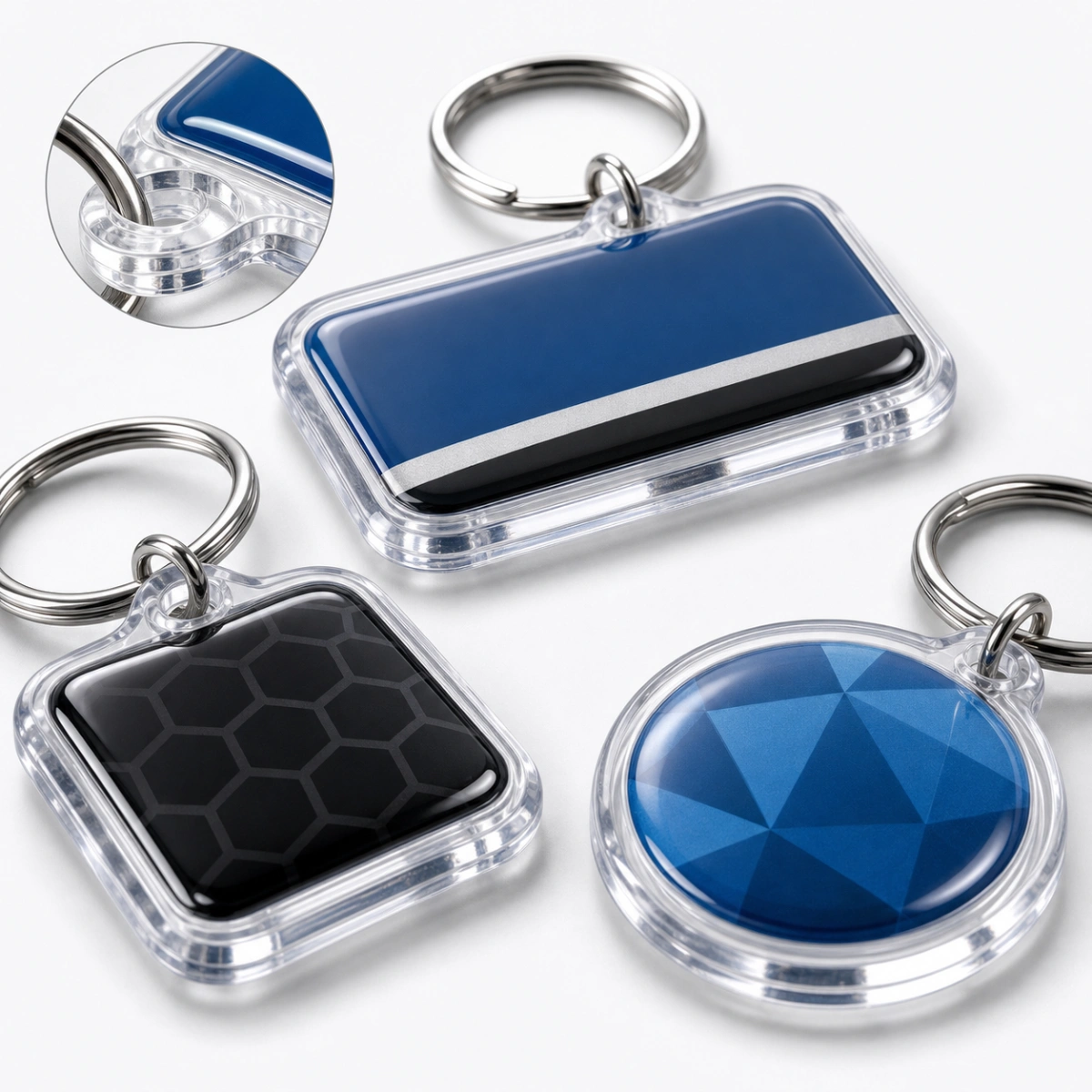
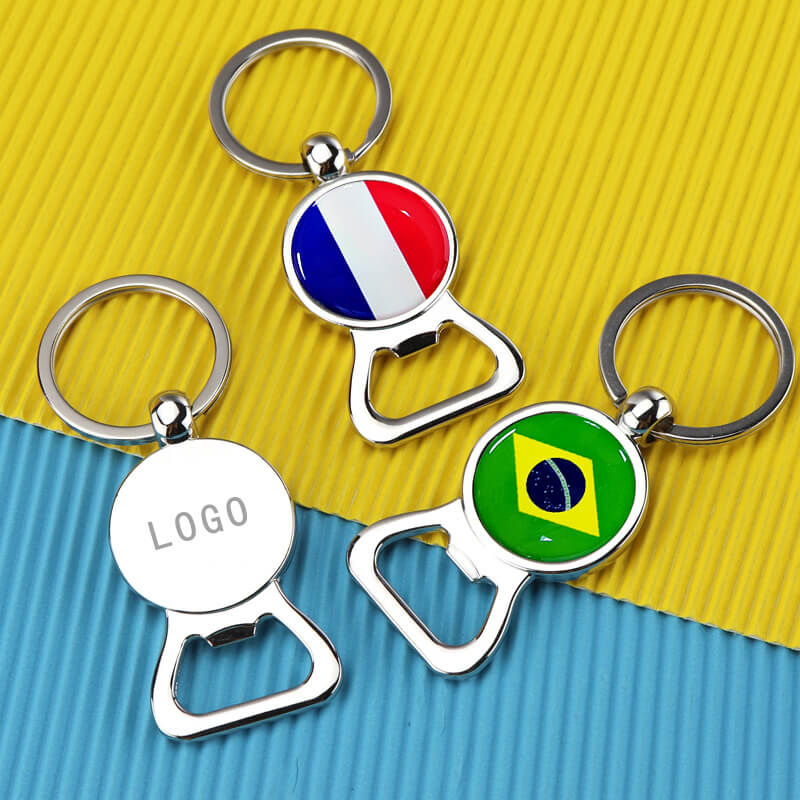
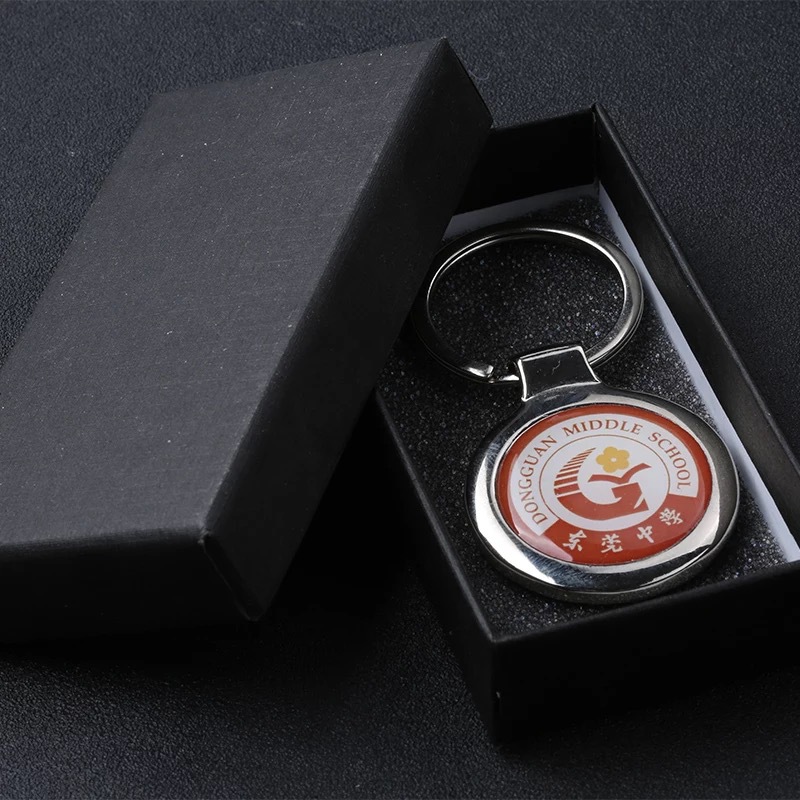
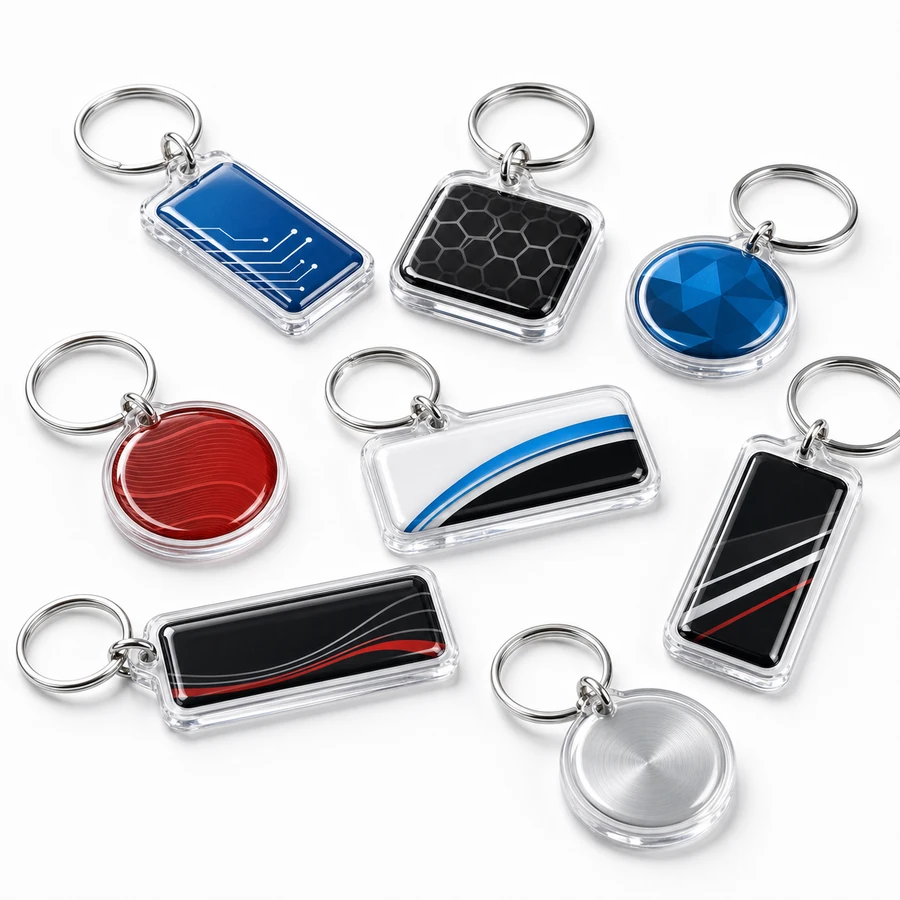
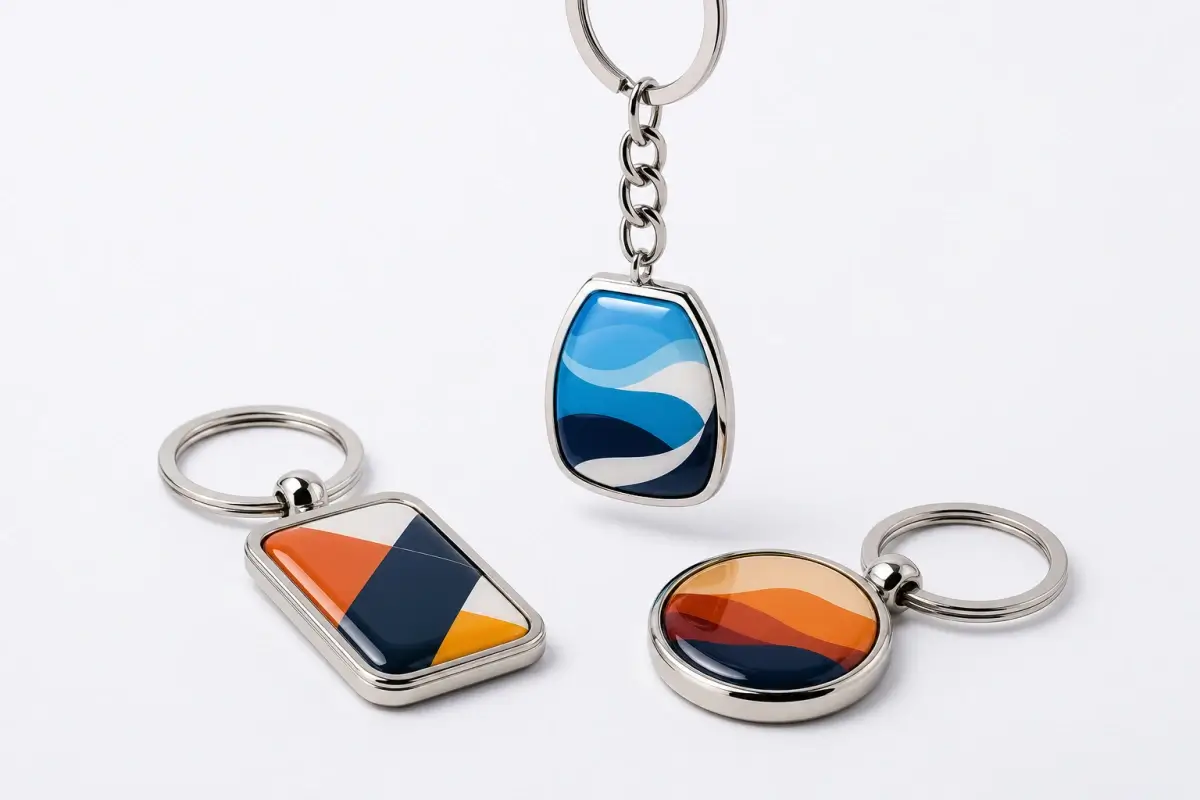
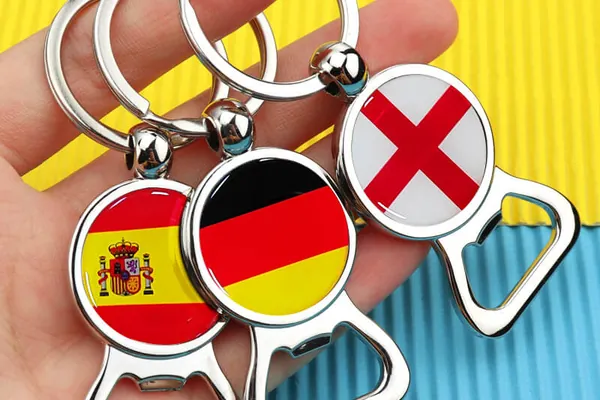
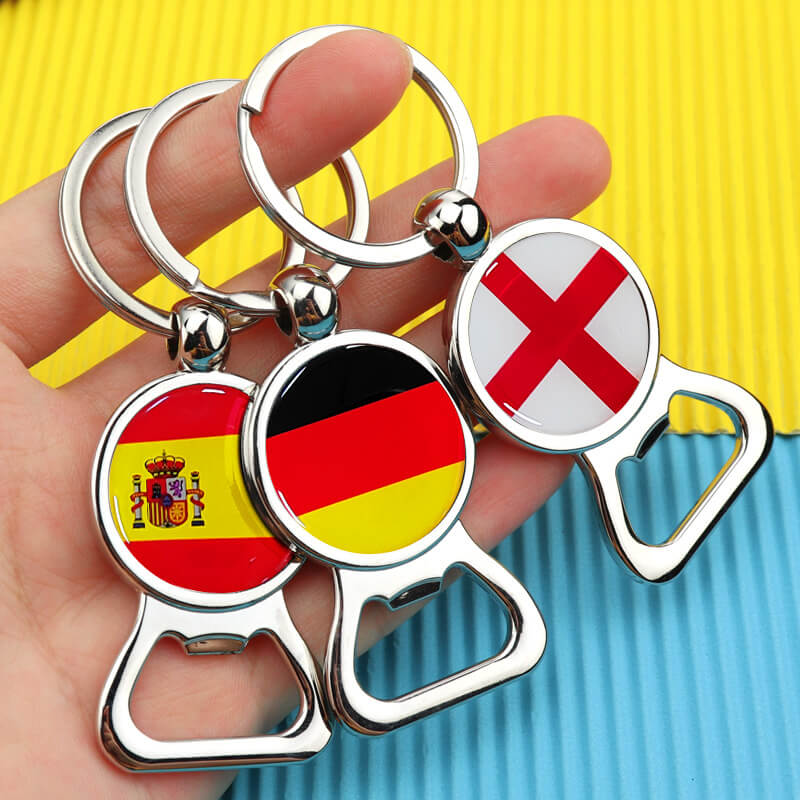
Domed keychain sample with raised resin finishAcrylic keychain sample with clear resin dome coatingProduction sheet layout of resin domed acrylic keychain insertsClose-up of domed keychains showing acrylic edge and hole area

What Are Domed Keychains?

Domed keychains are acrylic, metal, PVC or printed key tag parts coated with a clear epoxy or polyurethane resin layer to create a raised 3D surface. The resin improves gloss, protects printed graphics and gives gift keychains a durable premium finish.
Raised resin layer creates a glossy gift finish for keychains and key tags
Protects printed graphics from pocket wear, scratches, moisture and daily carrying contact
Hole position, edge gap and fixture stability affect machine choice and resin path

Why Use Resin Doming for Keychains?

Raised resin finishing turns printed keychain inserts into glossy gift products, but hole position, edge control and handling durability must be tested.

Glossy Gift Finish

Adds a raised, glass-like surface that makes acrylic, metal and souvenir keychains look more polished.

Daily Handling Protection

Helps protect printed inserts from scratches, moisture, pocket wear and frequent touch.

Small-Batch Flexibility

Works for custom artwork, repeat keychain sheets and mixed souvenir designs when samples are tested first.

Hole & Edge Control

Dispensing path and resin volume must avoid holes, slots, rings and narrow edge openings.

Production Requirements for Domed Keychains

Key parameters to confirm before starting resin domed keychain production.
Requirement Options / Range Notes
Keychain Material
Acrylic, PVC, PET, PC, metal insert, ABS, printed film or coated blanks Surface should be clean, dry and tested for resin adhesion before production.
Surface Finish
Printed, coated, laminated, transparent acrylic, colored insert or textured surface Ink, coating, dust and protective film may affect adhesion and clarity.
Shape / Layout
Regular sheets, holes, slots, mixed keychains, ovals, circles or free placement Regular sheets suit 3-axis automation; holes, mixed placement or printed variation may need CCD vision alignment.
Production Volume
Samples, small custom batches, repeat gift orders or high-volume sheets For output planning, semi-auto is safer for changing designs and small-to-medium batches; 3-axis automation helps when the same keychain layout repeats.
Resin Type
Epoxy resin or polyurethane resin Choose by hardness, flexibility, impact resistance, UV exposure and use environment.
Dome Height
Usually 0.8 mm – 4 mm, adjusted by keychain size and edge design Higher domes require stable edge control and the right resin viscosity.
Use Environment
Gift products, souvenir keychains, daily carry, outdoor use or promotional items High-contact or outdoor keychains may require polyurethane resin and sample aging checks.

Common Keychain Production Challenges

These issues help determine the right resin, fixture, dispensing path and machine level for your keychain workflow.

Hole-Area Overflow

Keychain holes and narrow edges can pull resin toward openings or cause overflow.
Solution:
Control dispensing volume and path around holes, slots and metal ring areas.

Air Bubbles

Transparent acrylic and glossy inserts make small bubbles easy to notice.
Solution:
Use stable mixing ratios, degassing and controlled dispensing speed.

Uneven Dome Height

Different keychain thicknesses or uneven fixtures can create visible dome differences.
Solution:
Use fixtures, stable Z-height and sample tests to confirm dome height.

Acrylic Dust / Poor Adhesion

Acrylic dust, protective films, oils or printed coatings may reduce resin bonding and clarity.
Solution:
Clean surfaces and test resin adhesion on the real acrylic, metal or plastic blanks.

Artwork / Shape Changeovers

Custom gift orders often include many shapes, sizes and artwork variations that slow manual setup.
Solution:
Use saved programs for repeat sheets and CCD vision for mixed or variable layouts.
Purchase Risk Check

What Can Go Wrong If You Choose the Wrong Domed Keychains Setup?

Keychains are small products with holes, edges and frequent handling. A low-cost setup may work for simple samples but still create alignment, durability or overflow issues in repeat production.
Risk 01

Hole position and small-part holding are not controlled

Risk A hole does not automatically require CCD. First confirm whether a fixture or repeat sheet holds each blank and hole position consistently.
Result Resin enters the hole, blocks hardware assembly or lands unevenly around the edge.
Risk 02

Wrong resin for impact and handling

Risk Rigid epoxy can be suitable for many acrylic tags, while flexible or high-impact applications may need PU.
Result Cracks, chips or dull surfaces after daily use.
Risk 03

Poor edge control on small shapes

Risk Small custom shapes need accurate resin volume and viscosity.
Result Overflow, connected domes or flat-looking low domes.
Risk 04

Skipping sample testing before bulk orders

Risk Gift and souvenir orders often change artwork, material and layout frequently.
Result A setup that works for one batch may fail on the next design.
Best next step: Test the actual acrylic, metal or plastic keychain blank, including hole position, edge shape and expected handling environment before final recommendation.

How to Choose the Right Keychain Doming Machine & Resin Setup

Keychain projects vary by material, hole position, acrylic thickness, order mix and batch size. Match the setup to layout repeatability, dome edge control, fixture method and production volume.
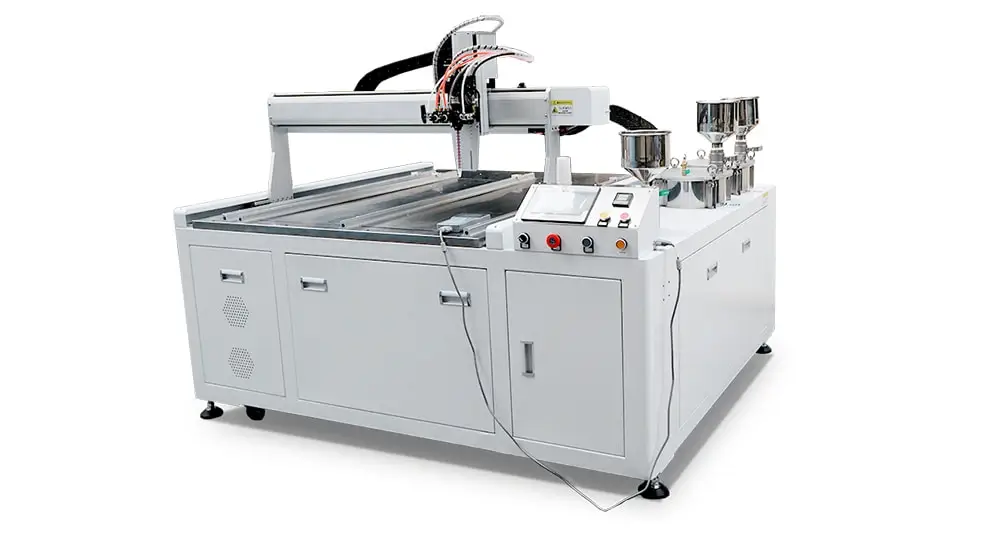
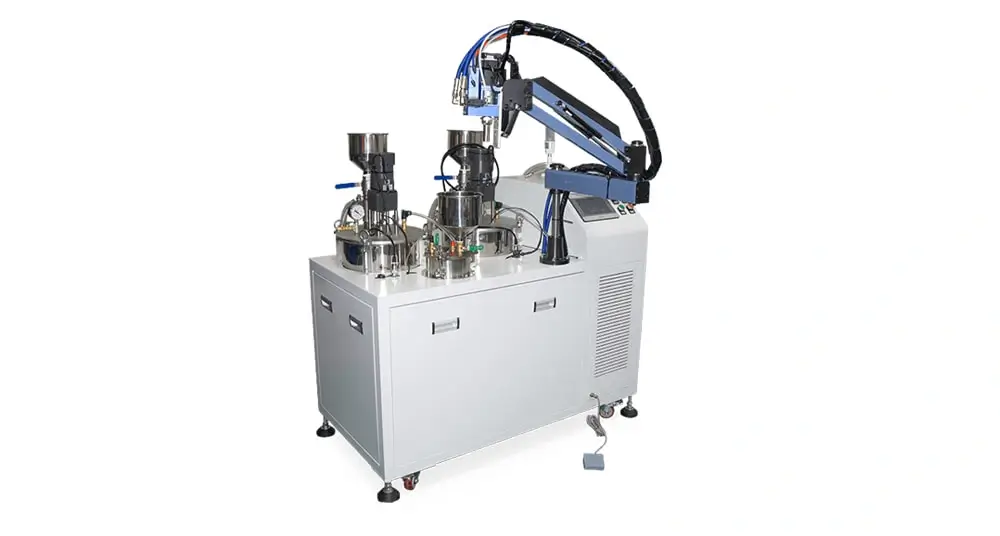
Semi-auto resin doming machine for sample testing and small batch production
Samples / Simple Keychains

Semi-Auto Doming Machine

Best for: Sample testing, low-volume keychain orders, simple shapes and budget-conscious buyers.

  • Easy setup
  • Good for samples
  • Manual loading
3-axis automatic resin doming machine for regular sheet label and decal production
Regular Keychain Sheets

3-Axis Automatic Doming Machine

Best for: Repeatable keychain sheets, stable orders, regular layouts and growing production volume.

  • High efficiency
  • Stable dispensing
  • Best for regular sheets
CCD vision-guided resin doming machine for mixed layouts and precision positioning
Mixed / Holes / Custom Tags

CCD Vision-Guided Doming Machine

Best for: measurable print shift, free placement or mixed positions that remain variable after fixture testing; holes alone do not require CCD.

  • Vision correction for placement variation
  • Reduces alignment-related rejects
  • Use after fixture repeatability is checked

Recommended Resin Setup

Epoxy Resin

  • Excellent clarity and surface hardness
  • Good for rigid acrylic keychains and indoor gift products
  • Best where flexibility or high UV exposure is not required
  • 308AB-3S1 reference: initial cure in about 10–12 hours and final cure in about 18 hours at room temperature.

Polyurethane Resin

  • Good flexibility and impact resistance
  • Better for flexible, outdoor or high-contact keychain products
  • A candidate for high-contact or exposed keychains after impact and aging tests
  • 618AB-18 reference: about 24 hours at 25°C, or about 2–4 hours with 60–80°C heat curing.
Resin selection depends on keychain material, hole design, surface finish, required hardness, flexibility, UV resistance and daily handling environment.

Domed Keychain Machine + Resin Selection Table

Use this table as a starting point. Final machine and resin selection should be confirmed with sample testing on your real keychain material.
Keychain Production Situation First Decision Trigger Recommended Setup Resin Starting Point Why It Fits
Samples / Changing Designs Low volume and frequent artwork changes PJ180 Semi-Auto Epoxy or PU after material testing Flexible start and easy changeover
Stable Regular Sheets / Fixtures Repeat positions, stable holes and repeat orders Desktop 3-Axis or DJ771 by sheet size, space and output target Epoxy or PU by handling environment Saved paths and repeatable loading
Uncontrolled Placement Variation Position varies after fixture or sheet controls are applied SJ4060 CCD Vision-Guided Epoxy or PU by material and use Camera correction protects hole and edge placement

Sample Testing Workflow (Before You Buy)

Test your real keychains first so adhesion, clarity, dome height, hole-area edge control and fixture method are confirmed before purchase.
1

Send keychain samples

Provide keychain samples, drawings, material, hole position, print/coating and use environment.

2

Adhesion & resin compatibility test

We test resin clarity, adhesion, curing and surface finish on your keychain samples.

3

Dome height & hole edge control

We fine-tune resin volume and dispensing path around holes, slots and keychain edges.

4

Video / report + quote

Receive test video, report, and machine + resin recommendation.
What to Provide for a Quote

What To Provide?

  • Keychain samples or drawings
  • Keychain size, thickness and hole position
  • Material, print/coating and surface finish
  • Target dome height and edge design
  • Monthly production volume
  • Indoor, outdoor or daily handling use
  • Current keychain printing or doming process
  • Special hole, ring or fixture requirements

Keychain Examples

Production sheet layout of resin domed acrylic keychain inserts

Regular Keychain Sheets

Aligned sheets, uniform keychain shapes
Close-up of domed keychains showing acrylic edge and hole area

Mixed Keychains / Holes / Tags

Different shapes, holes, rings and placements

*Your details will be kept strictly confidential with us.

FAQ About Domed Keychain Production

Last updated: June 24, 2026. Technically reviewed by Robota application team for keychain hole control, fixture, resin matching and sample testing guidance.

Contact Us

*Your details will be kept strictly confidential with us.