
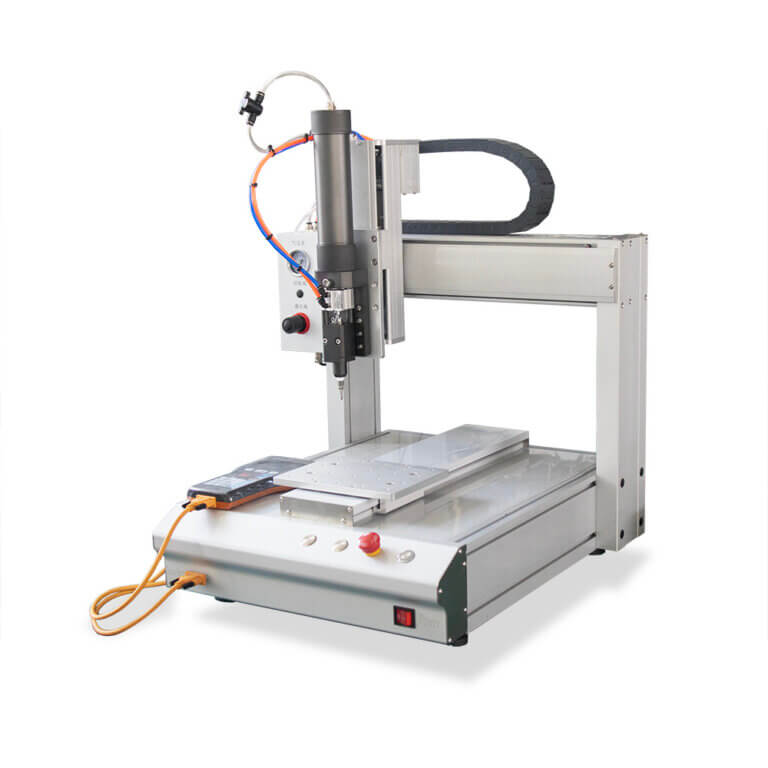
Desktop 3-Axis
DJ331 Desktop 3-Axis Platform
A compact 3-axis platform with a 300 x 300 mm working area for programmed dispensing on repeatable product layouts.
Best for: compact sheets, repeat spacing and stable fixtures.
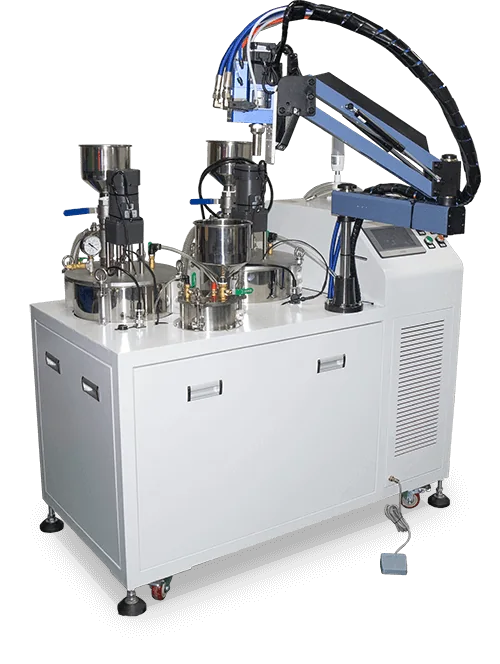
Semi-auto production suits flexible samples and small batches. Operator rhythm, loading speed and curing-rack turnover determine practical output.
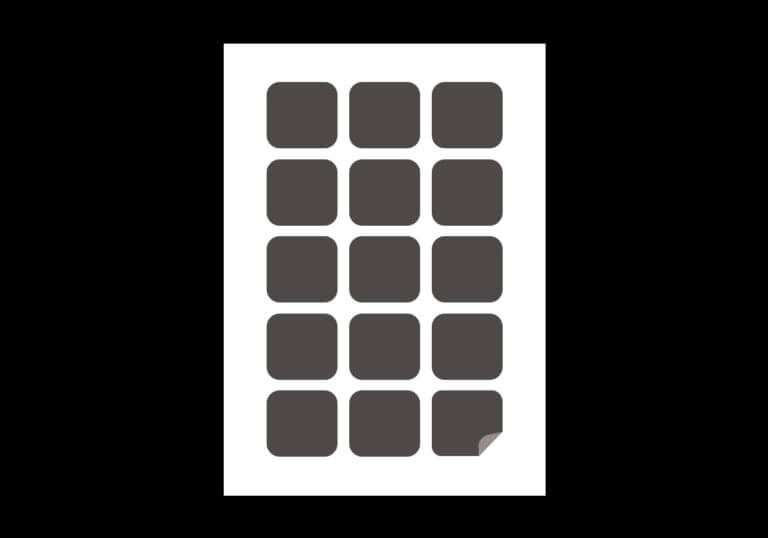
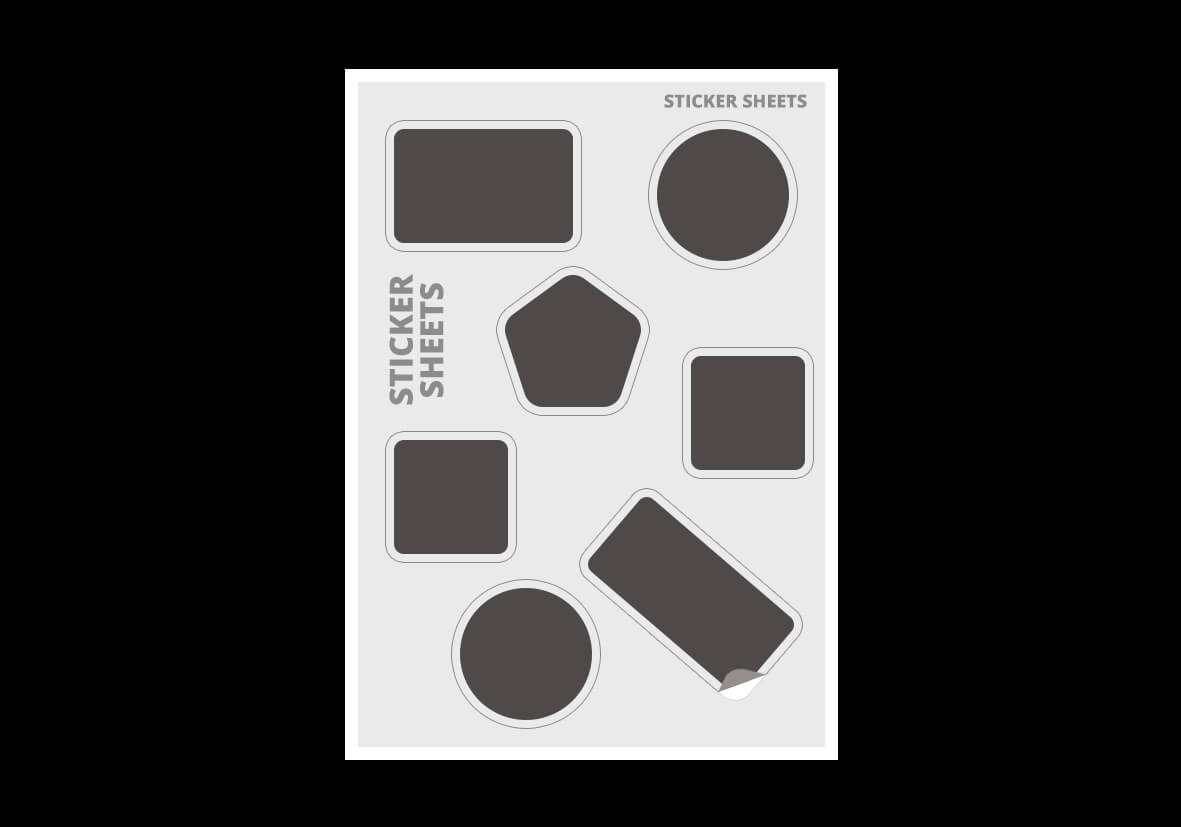
Examples of flat decals, labels and badges that can be tested with manual dispensing. Final suitability depends on resin flow, edge design and target dome height.
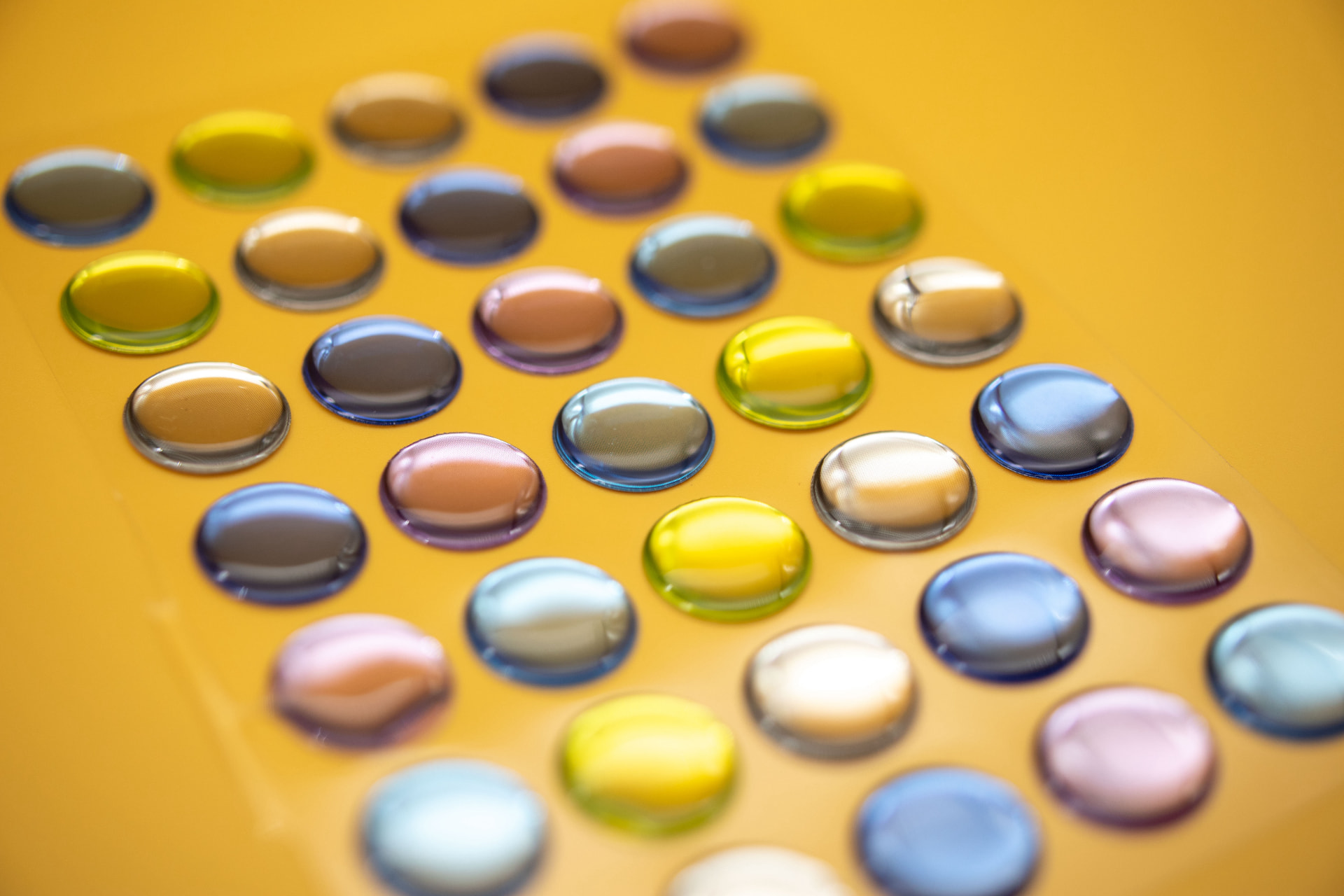

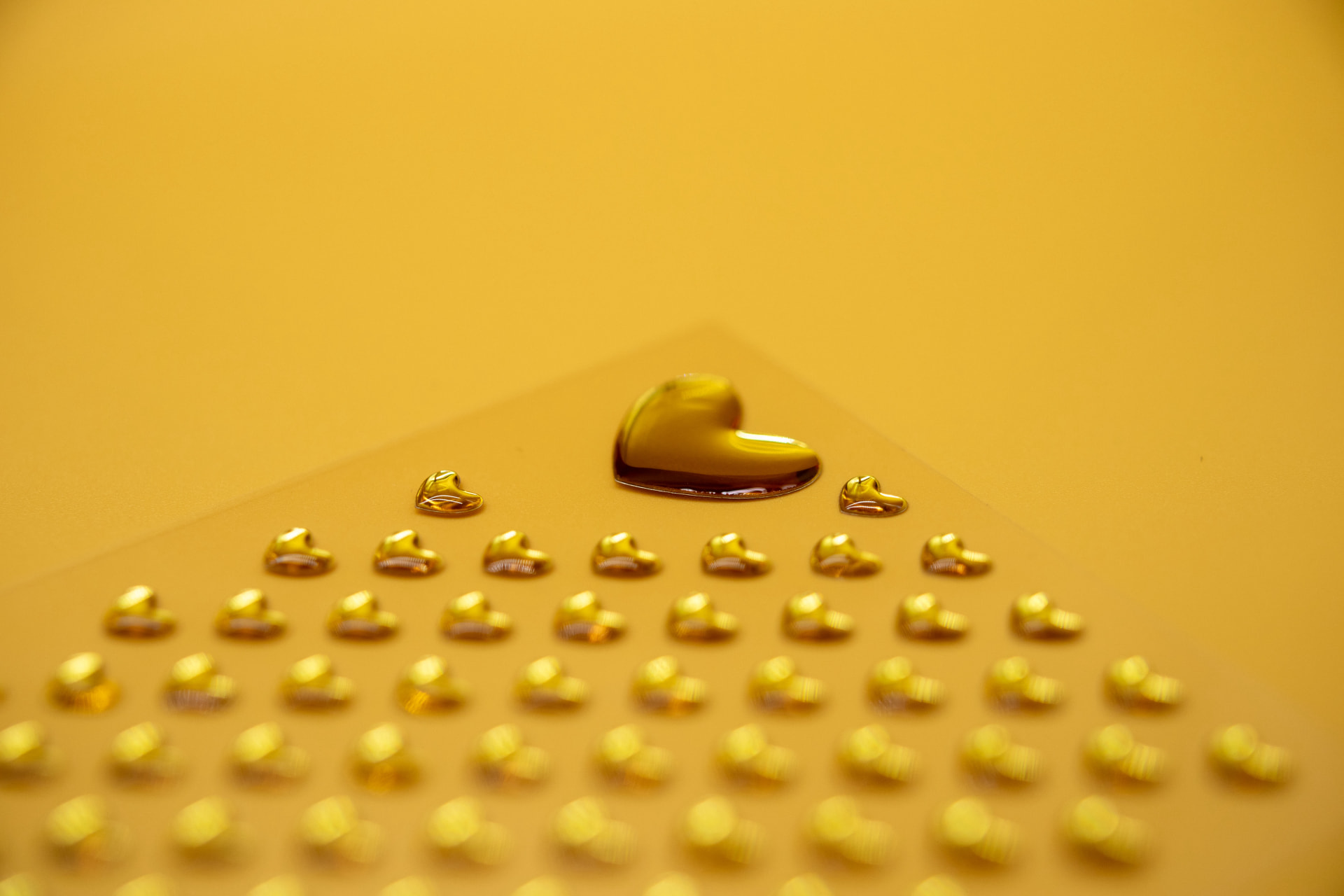

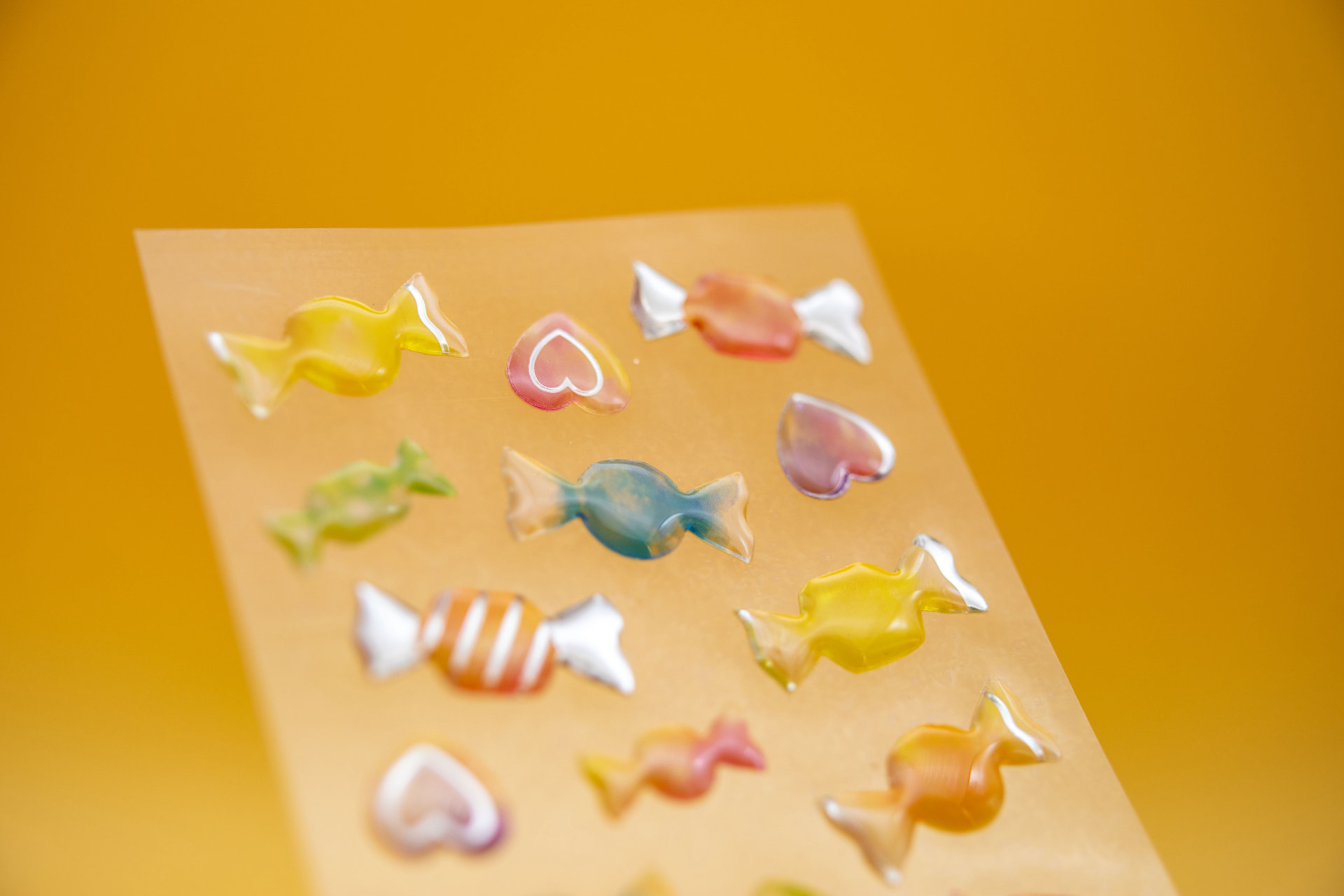

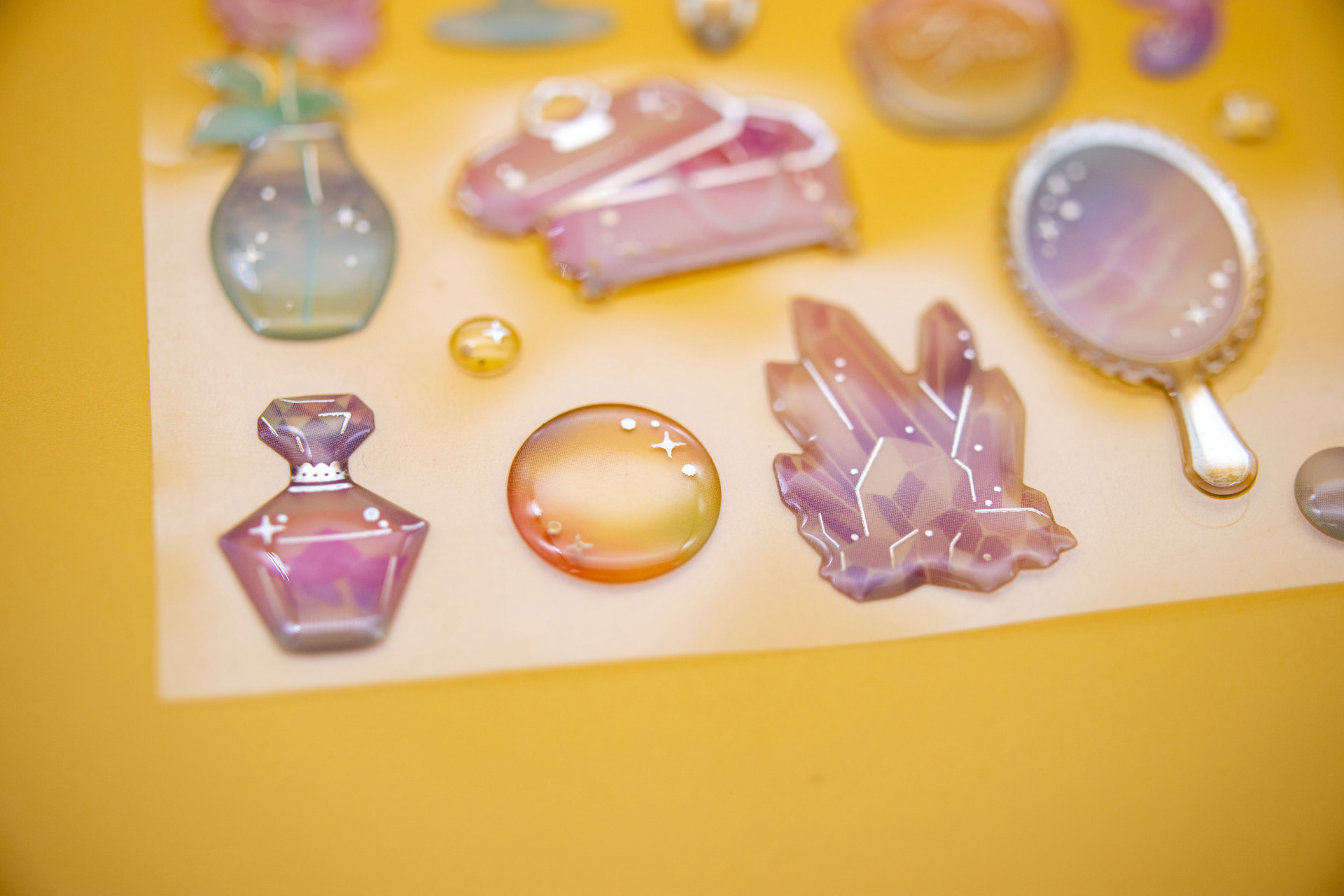
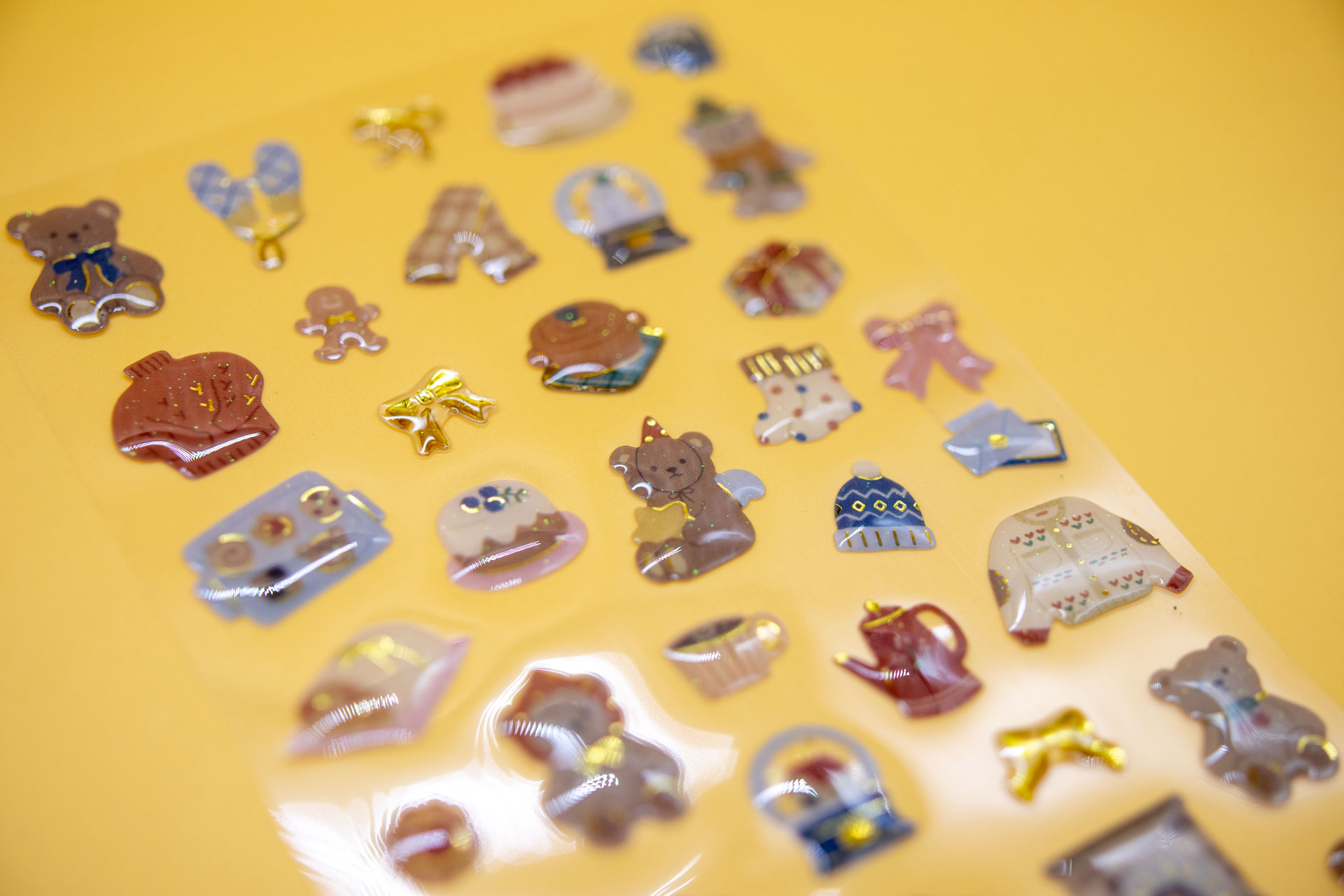
Use real production videos to confirm resin flow, dome height and sample quality before ordering.
Stable mixing, dispensing and cleaning support for small-batch resin doming.
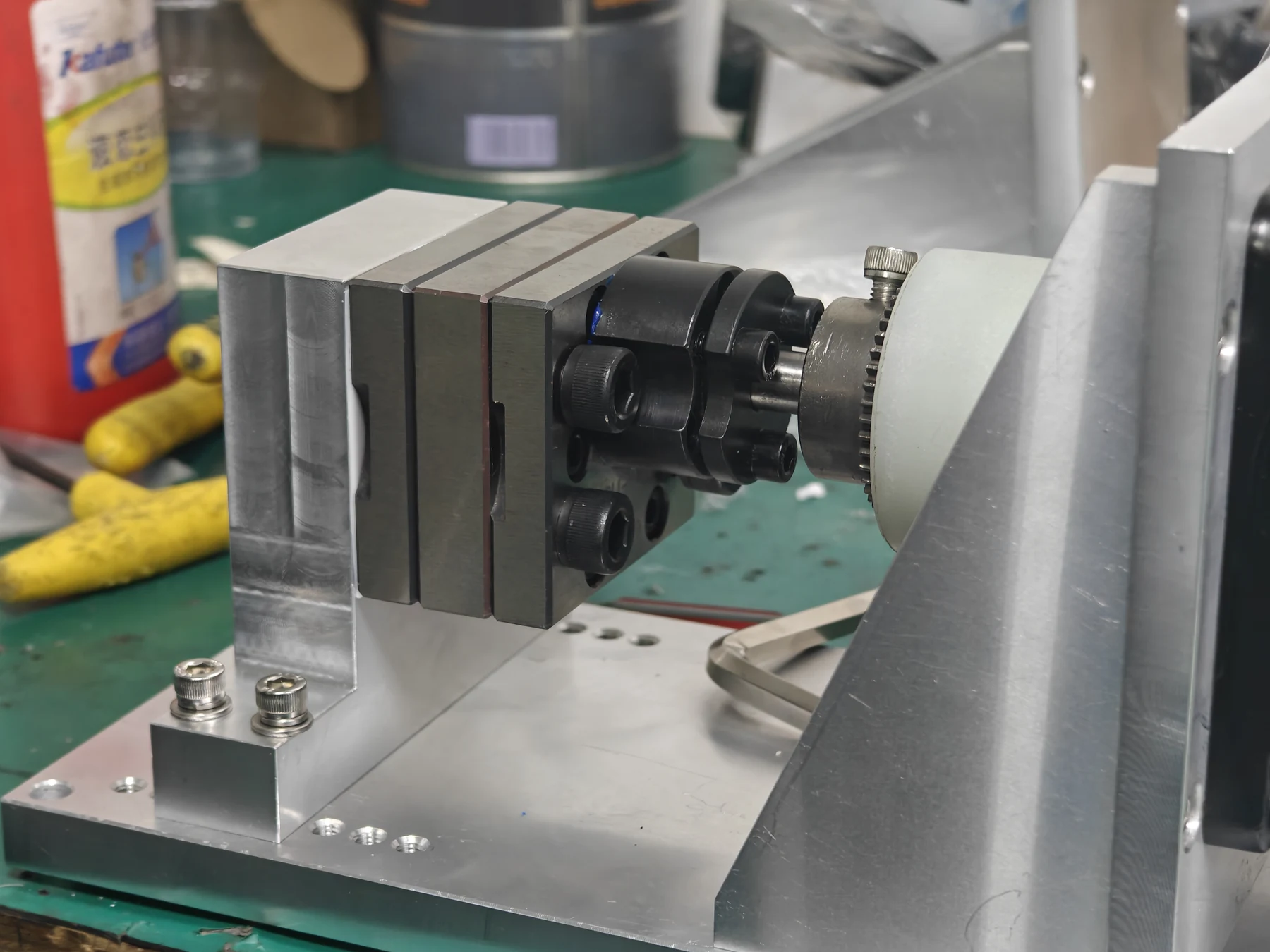
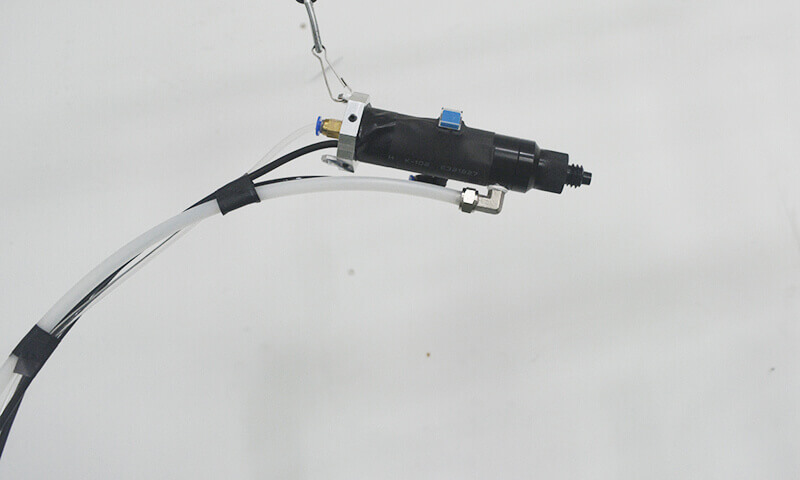
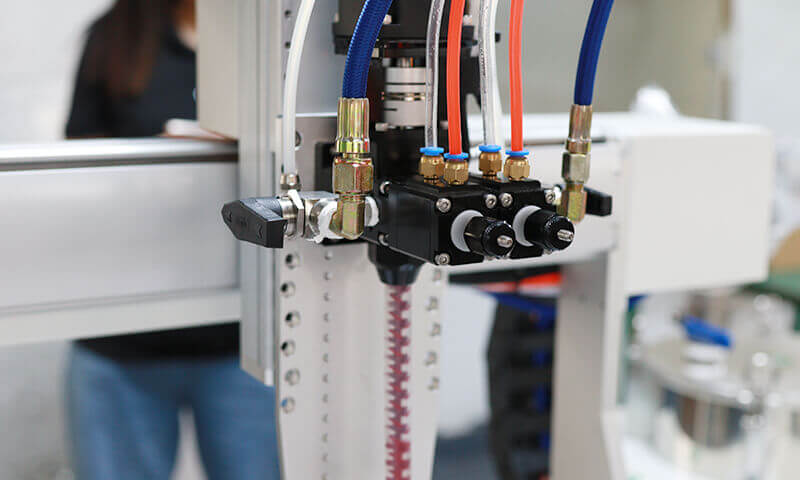
Confirm operator reach, target dome volume, resin behavior and repeatability before choosing semi-auto dispensing.
| Requirement | What to Confirm | Why It Matters |
|---|---|---|
| Product Type | Decals, labels, badges, keychains or simple nameplates | Product size and edge shape affect resin flow and final dome height. |
| Product Layout | Individual pieces or simple sheet placement | Manual dispensing is flexible, but stable repeat sheets may benefit from desktop or floor-standing 3-axis automation. |
| Production Volume | Samples, daily small batches or unstable order types | Semi-auto is better when volume does not justify full automation. Actual output still depends on operator rhythm, loading speed and curing rack turnover. |
| Upgrade Path | Desktop 3-axis platform or floor-standing 3-axis platform | PJ180 can be a starting point when you plan to upgrade after sheet layout and orders become stable. |
| Resin Type | Epoxy, polyurethane or not sure | Viscosity, curing time and bubble behavior affect machine setup. |
| Operator Skill | Manual path control and stable hand operation | Output consistency partly depends on operator training and process discipline. |
| Sample Testing | Product sheet, resin and target dome height | Testing confirms whether the setup is enough before purchase. |
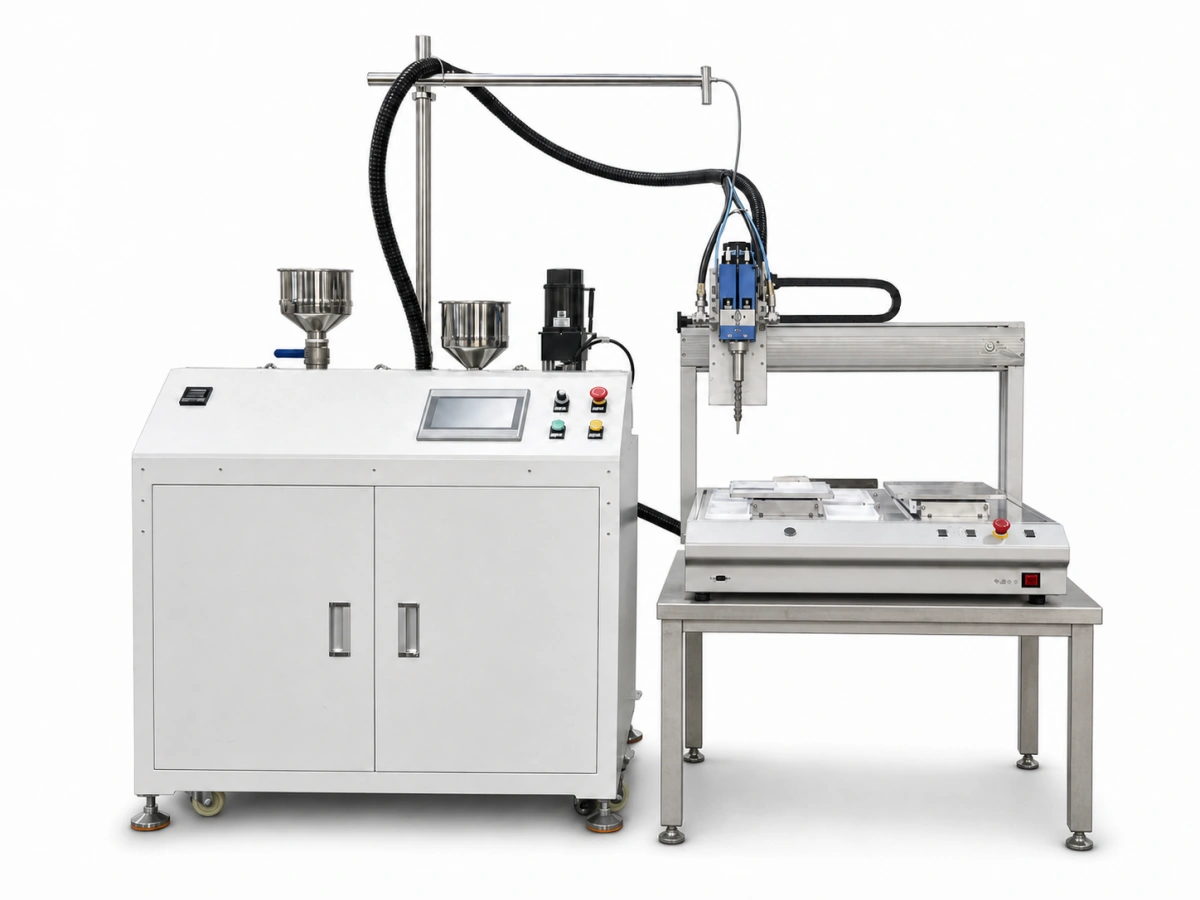
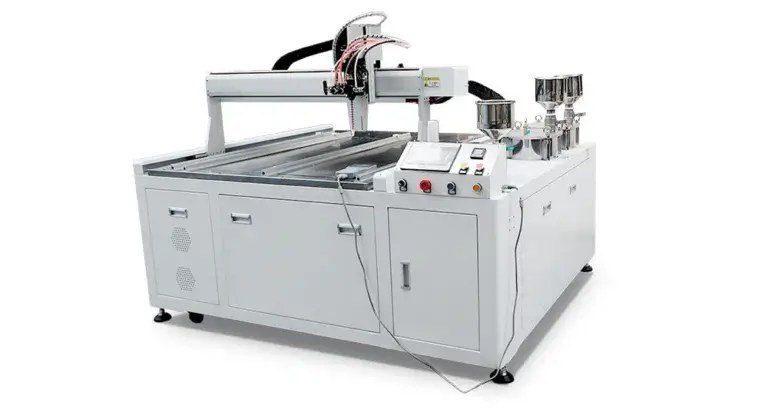
| Specification | Details |
|---|---|
| Glue Mixing Ratio | 1:1-3:1, customizable based on resin system |
| Dispensing Speed | 10-150g / 5s, based on 1:1 glue proportion and resin viscosity |
| Dispensing Precision | Glue amount ±2%; glue proportion ±2% |
| Suitable Patterns | Manual dispensing for lines, points and simple doming paths |
| Resin Viscosity | <10000 CPS |
| Control System | PLC + touch screen for program setting, modification and saving |
| A/B Metering & Tank System | A/B gear pumps with 20L + 20L SUS304 tanks; pump size selected for the resin ratio; tank agitation optional; A/B tank heating standard |
| Mixing & Anti-drip System | High-speed dynamic mixing device with suction control adhesive valve |
| Cleaning / Pressure | 5L SUS304 cleaning tank; input pressure 0.5-0.8MPa; head sealing pressure MAX ≤2.6MPa |
| Machine Size / Power | 1260*640*1260mm; 220V 50Hz 3500W |
Use these terms to plan a PJ180 purchase. Final machine scope, delivery date and documentation are confirmed in the formal quotation and contract.
| Purchase Information | PJ180 Details |
|---|---|
| Lead Time | Production lead time is at least 10 days and is typically about 14 days after the final configuration and order details are confirmed. Custom functions, fixtures, voltage changes or other special requirements may extend the schedule. The confirmed date is stated in the quotation or order confirmation. |
| Warranty | 12 months from the date the customer receives the machine. Coverage details and exclusions for consumables and wear parts are defined in the formal quotation and contract. |
| Pre-shipment FAT | Pre-shipment FAT covers the confirmed metering, mixing, cleaning and control functions plus any agreed sample demonstration. Test notes, photos or video can be supplied. |
| Installation & Training | Remote setup and operator training are supported with detailed operating manuals and an extensive video tutorial library. On-site installation has no separate service fee, but the customer covers the engineer's transportation, local travel, accommodation, meals, insurance and other trip-related expenses. Availability and schedule must be confirmed in advance. |
| Spare Parts | Recommended first-order consumables include mixers, dispensing needles or nozzles, seals, O-rings and hoses. Pump maintenance parts and other model-specific spares are confirmed after the resin and final configuration are selected. |
| Electrical & Documentation | The published standard is 220 V / 50 Hz / 3500 W. Other electrical requirements, interface language, operating manual, wiring documents and certification status are confirmed before order. No certification is implied unless it is listed for the final machine configuration. |
Keep the decision simple: test your real product first, then choose semi-auto, 3-axis or CCD based on evidence.
Share photos, dimensions, material, sheet layout, target dome height and expected monthly volume.
Confirm epoxy or polyurethane resin by testing clarity, adhesion, curing behavior and bubble risk.
Test dispensing control, edge hold and dome height on your actual decals, badges or simple labels.
Review whether semi-auto is enough or whether 3-axis / CCD should be compared before quotation.
Use this form to request a PJ180 sample test. Robota will review your product details, confirm what needs to be sent and arrange the next step.
*Your details will be kept strictly confidential with us.
Use these answers to compare semi-auto with 3-axis and CCD before sending samples.
It can be enough for samples, small batches and simple decals. If you already have repeated sheet layouts and higher volume, compare a 3-axis automatic model.
Flat decals, simple labels, badges, keychains and sample pieces are typical. A complex outline, holes or cutouts do not automatically require CCD: compare a saved 3-axis path when product positions repeat reliably.
Yes, but the correct setup depends on resin ratio, viscosity, curing behavior and use environment. Sample testing is recommended before purchase.
Yes. Resin mixing is automated, but the dispensing path is controlled by the operator. Training and stable hand operation affect consistency.
Upgrade when repeat sheet production makes manual path control the bottleneck. Compare CCD when placement varies, or when on-screen path editing is more practical for frequent irregular-design changes.