
SJ4060 CCD Vision Doming Machine
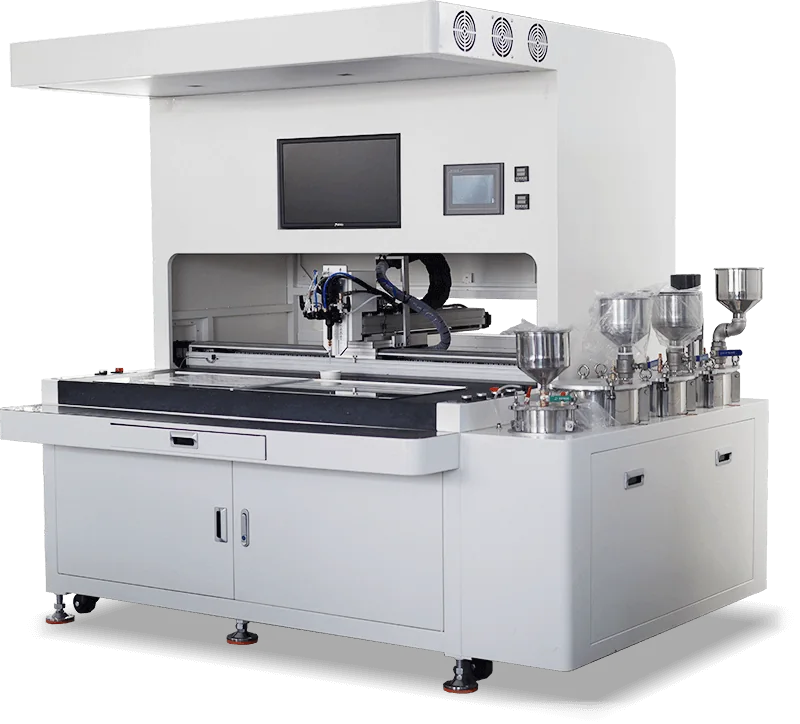
Should You Choose a CCD Vision Doming Machine?
Compare SJ4060 for camera alignment or visual path programming. It is not automatically faster on simple, repeatable sheets.
Best fit when
- Product or printed position varies beyond a repeatable fixture.
- Printed position changes make fixture-based alignment unreliable, and the sample provides a clear edge, mark or contrast feature for camera recognition.
- Irregular designs or frequent changeovers make on-screen path drawing and editing more practical.
- Path alignment at the printed edge is a production risk to test; resin defects still need separate validation.
Consider semi-auto or 3-axis when
- You are still testing new products or unstable small orders; compare PJ180 semi-auto.
- Your sheets are regular and can be positioned by fixtures; compare 3-axis automation.
- You mainly need higher output rather than camera alignment or visual path editing.
- Your budget is limited and a saved 3-axis path already meets the job requirements.
Typical Product Examples
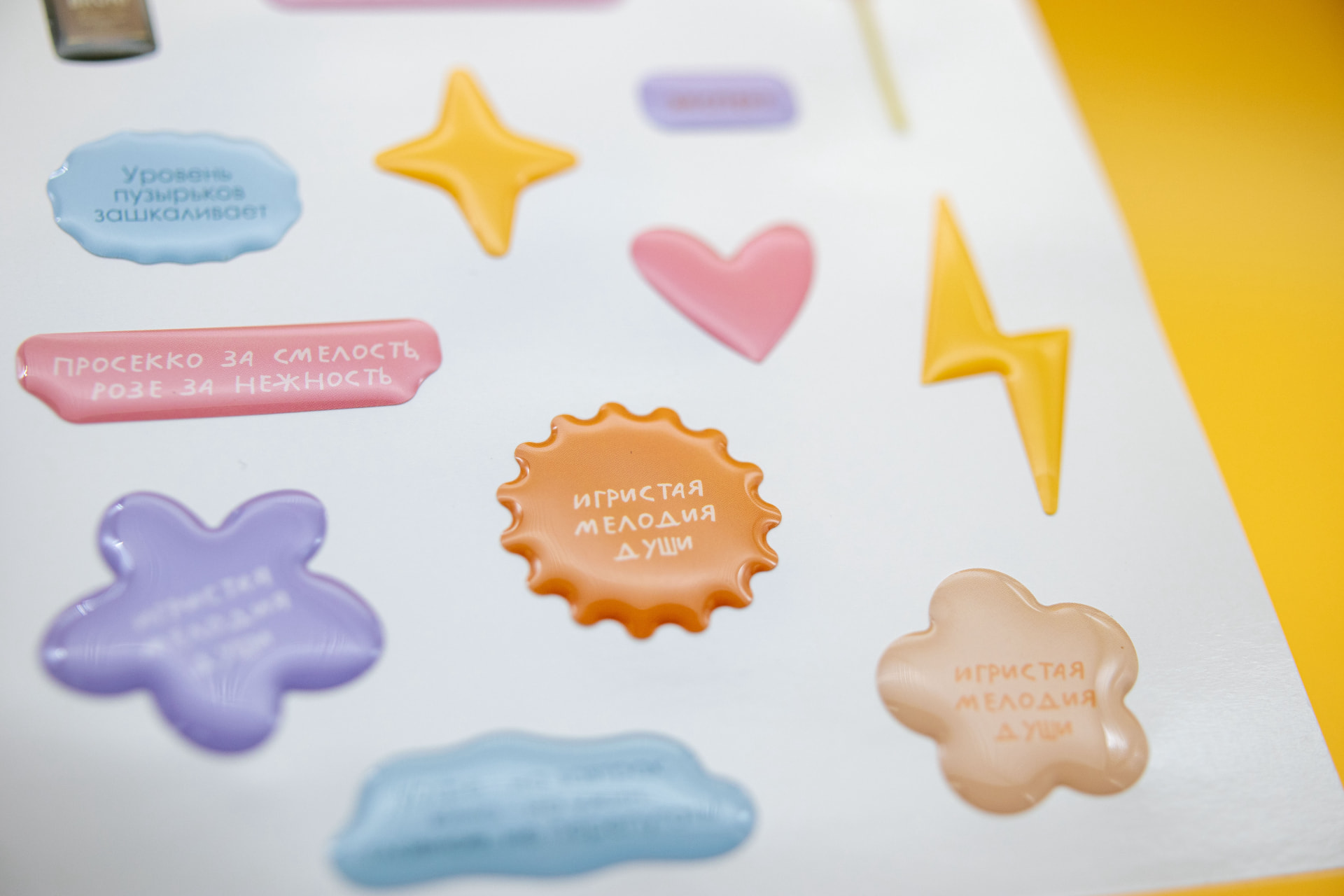
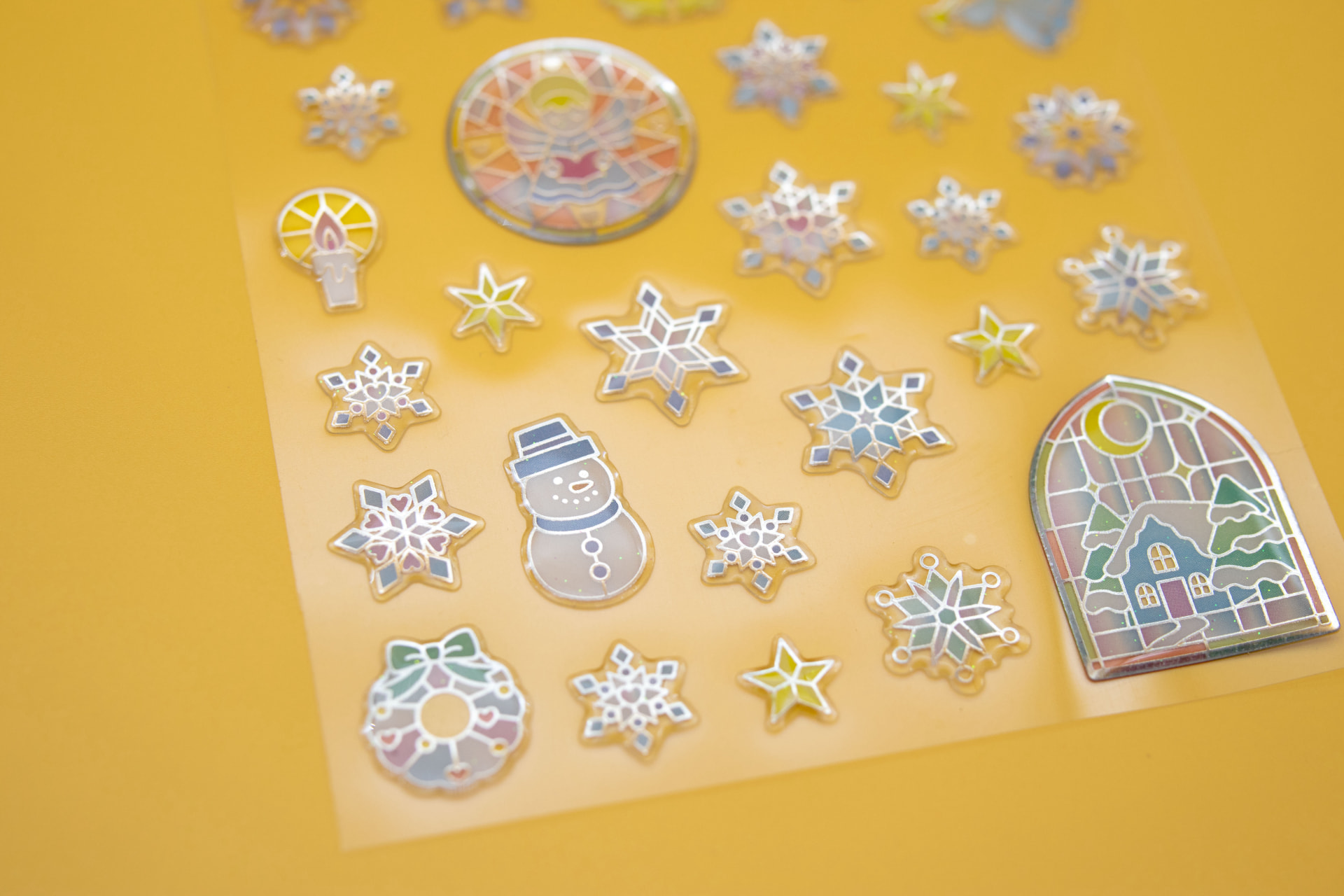
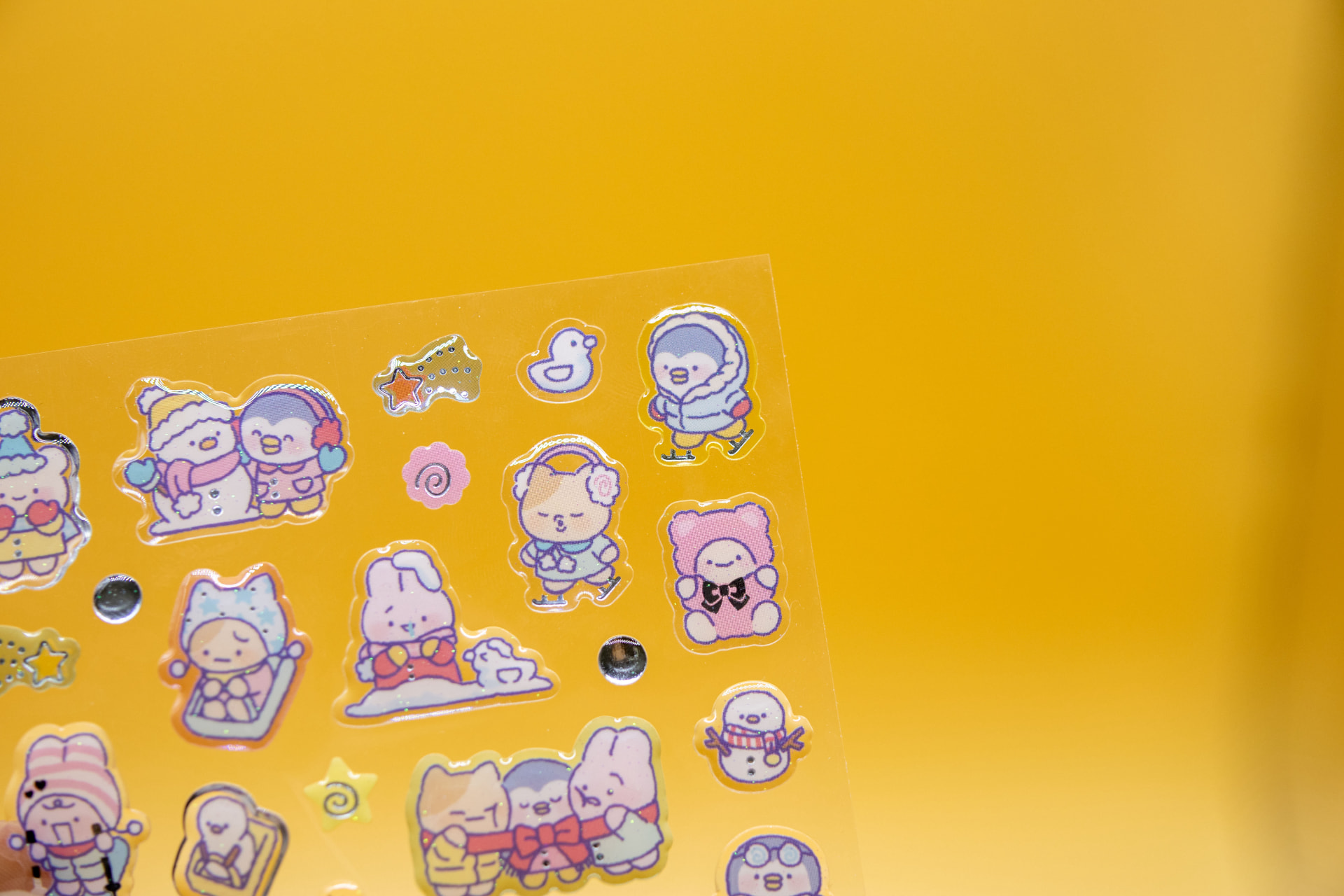
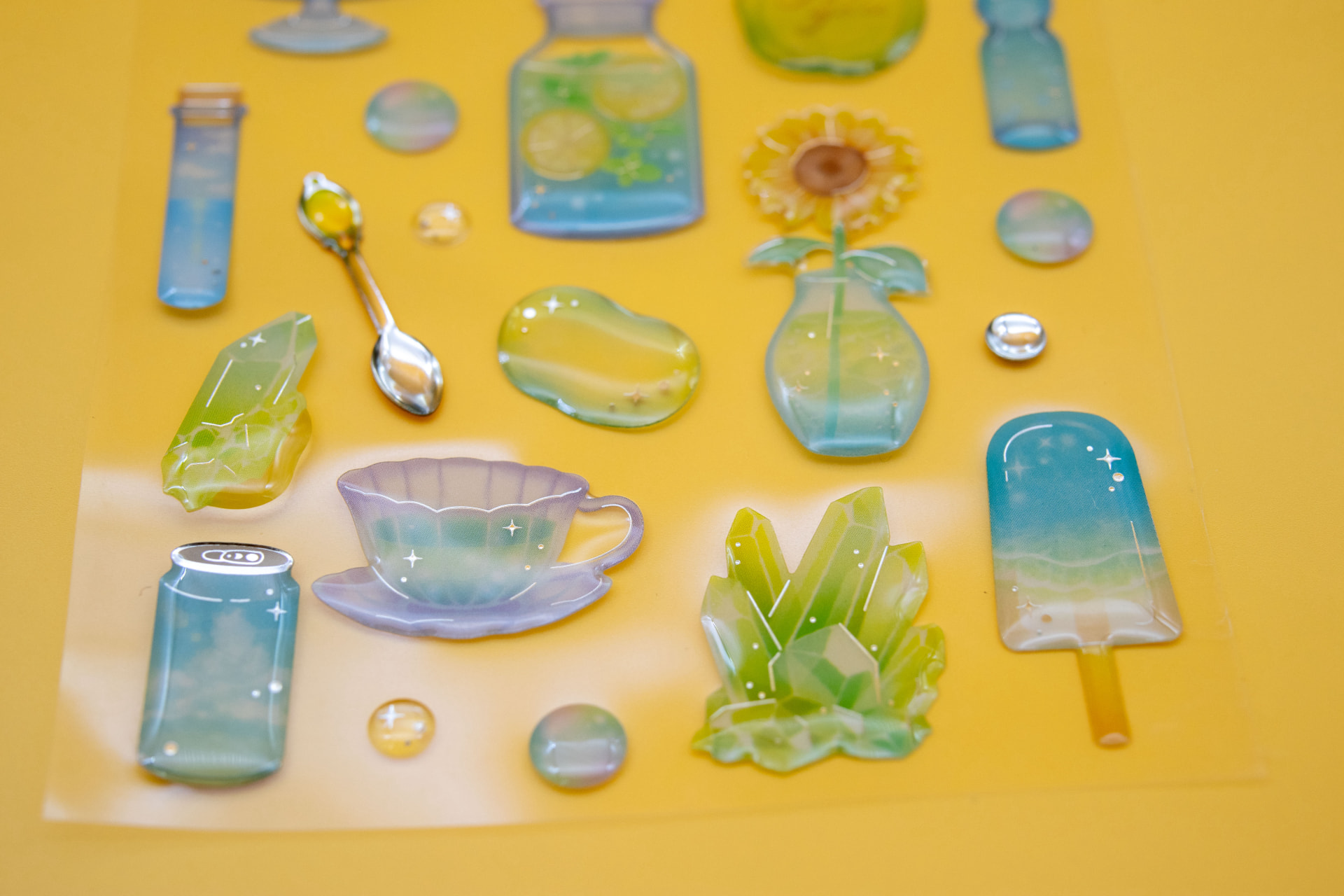
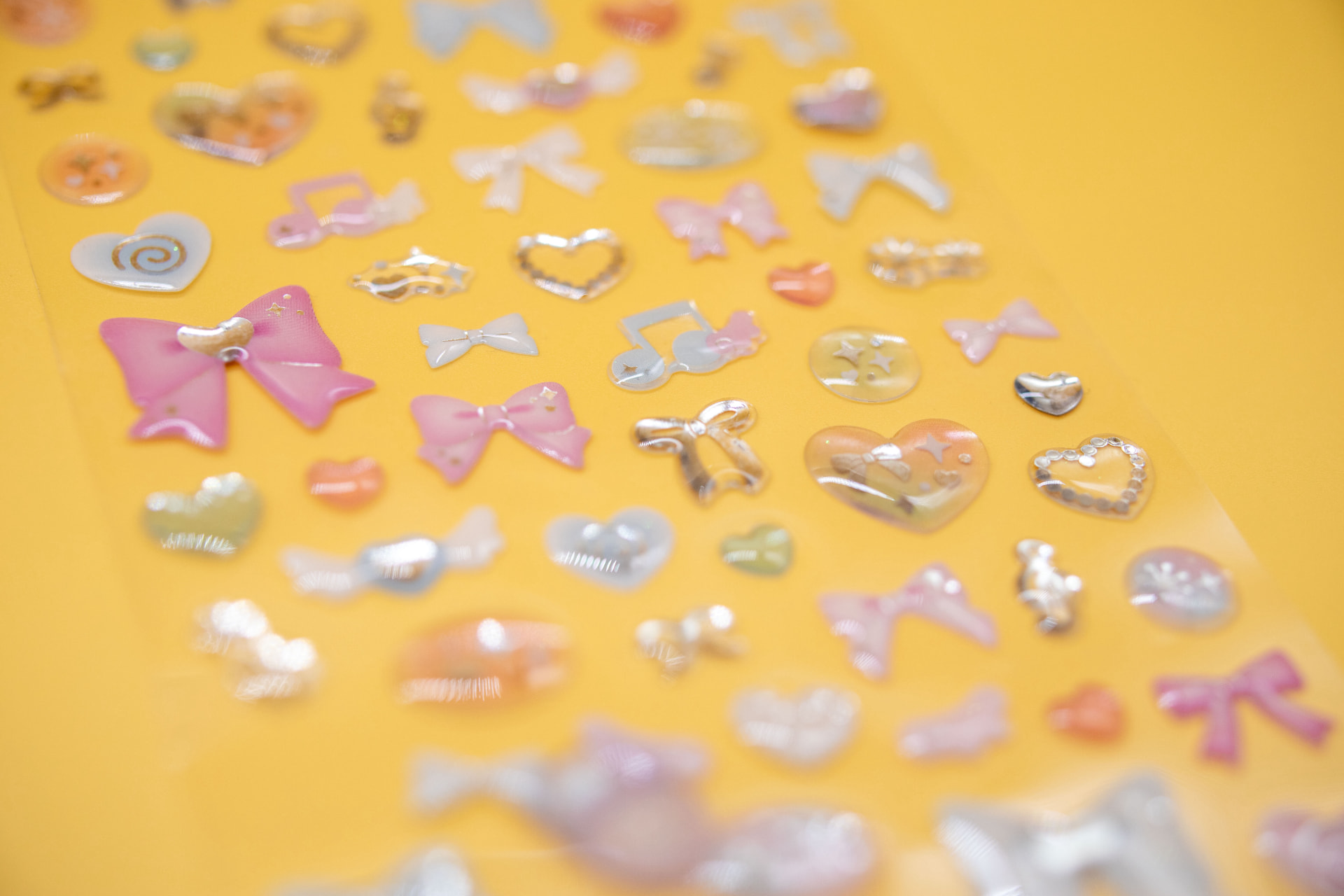
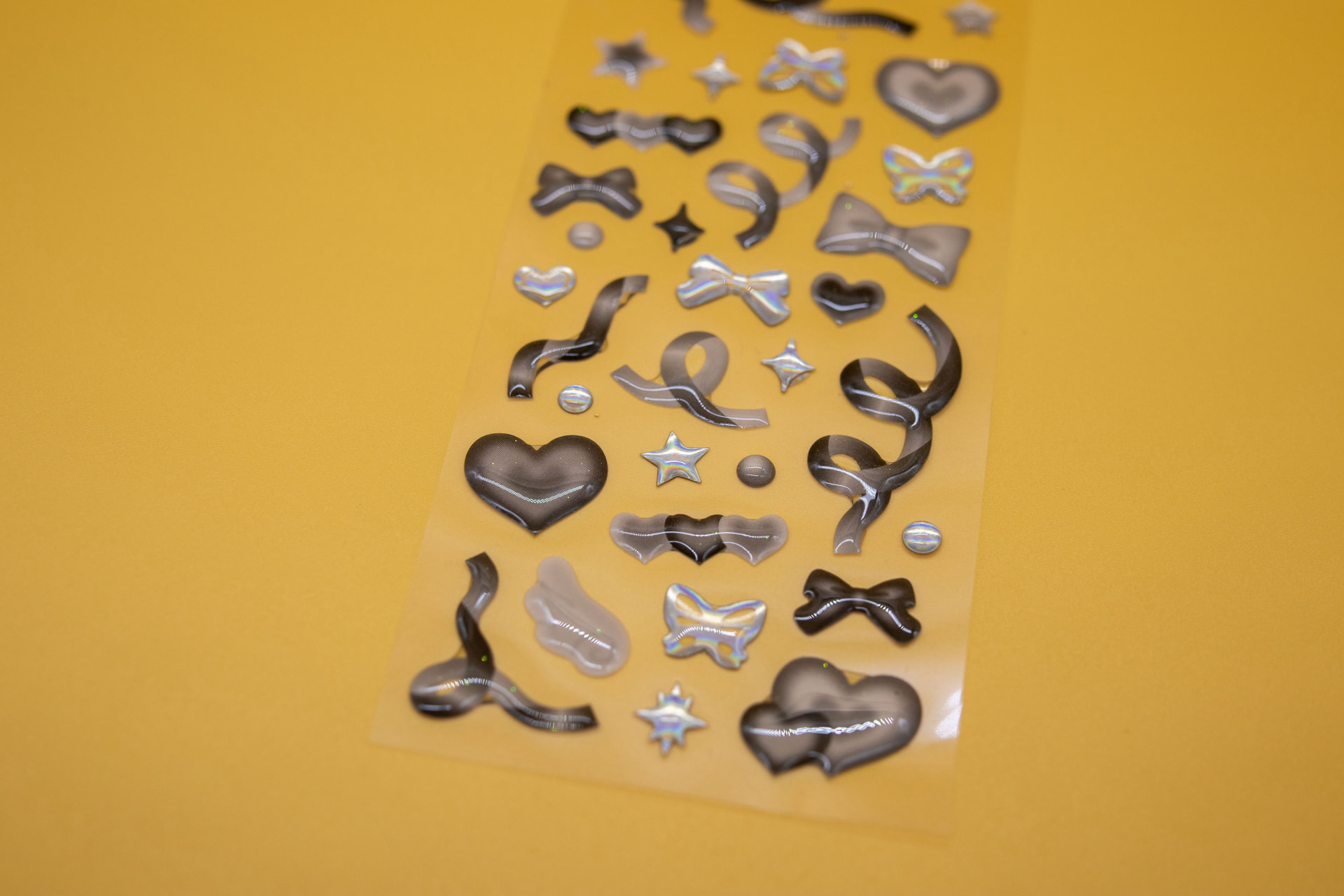
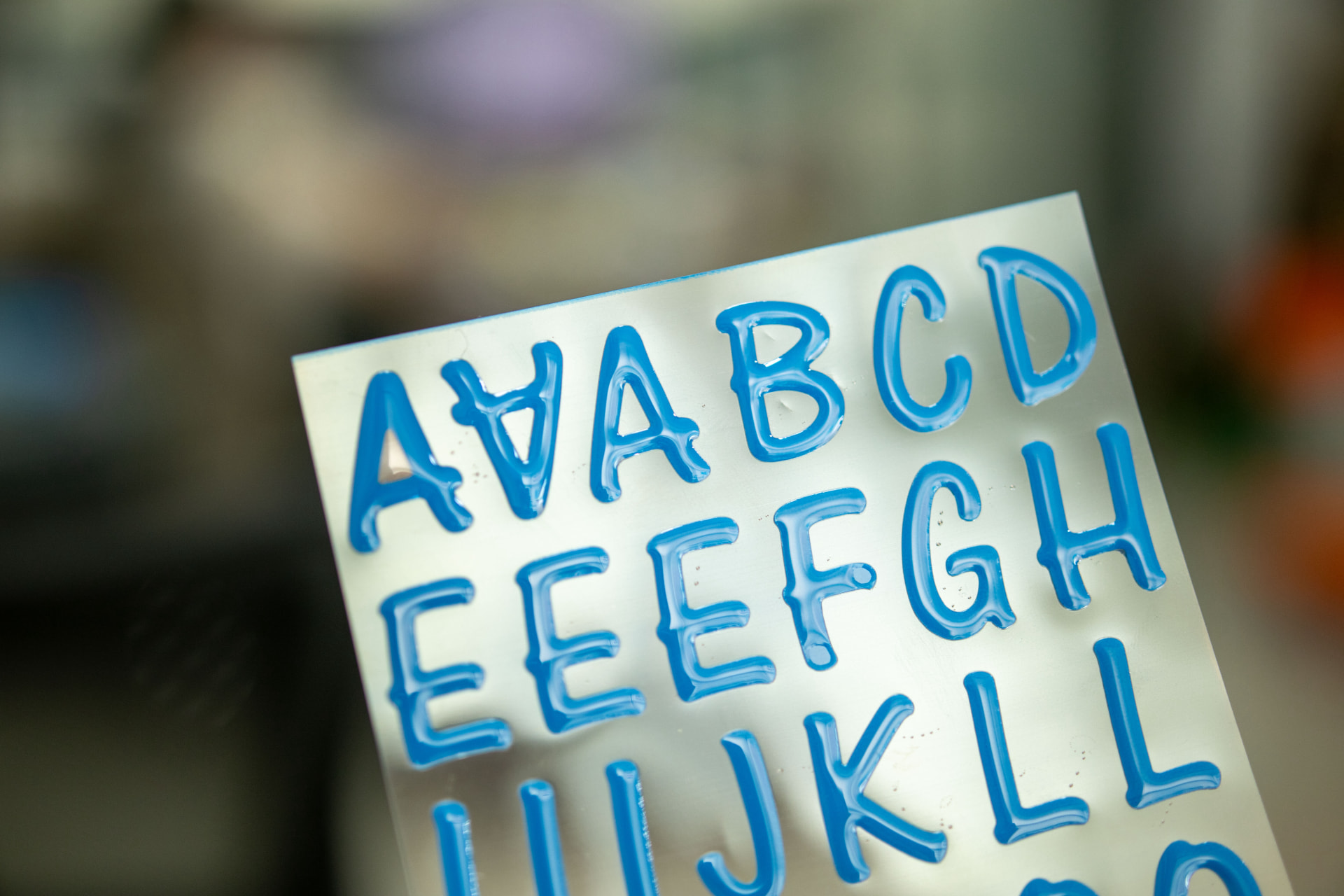
Examples of mixed or variable layouts where camera alignment may reduce positioning errors. Recognition still requires a clear edge, mark or contrast feature.
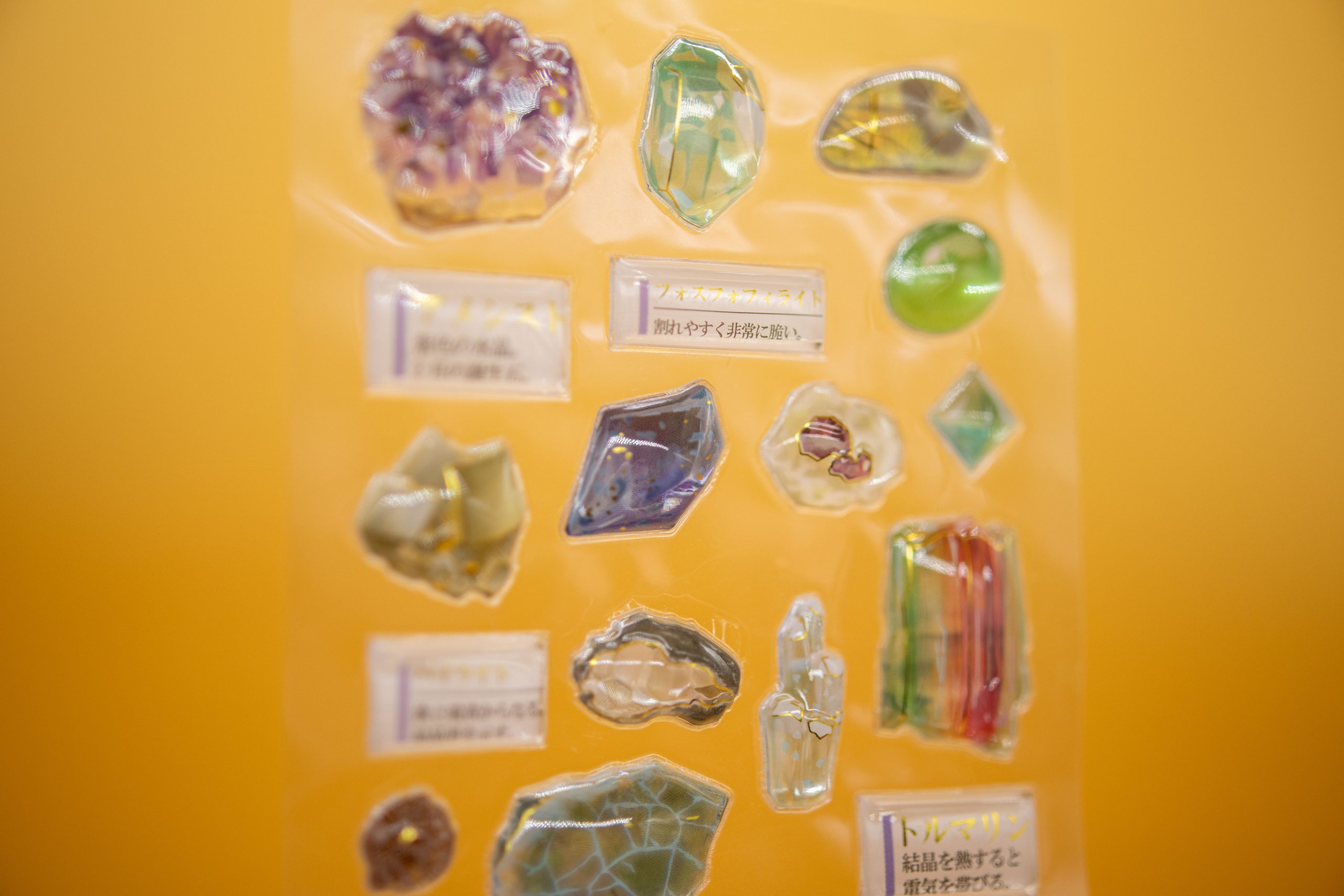
See the Machine in Real Production
Use real production videos to check camera recognition, alignment and resin flow before choosing CCD.
Mixed Layout Sticker
Programming Demo
3D Stickers
Robota
Technical Advantages
Reduce Manual Alignment Work
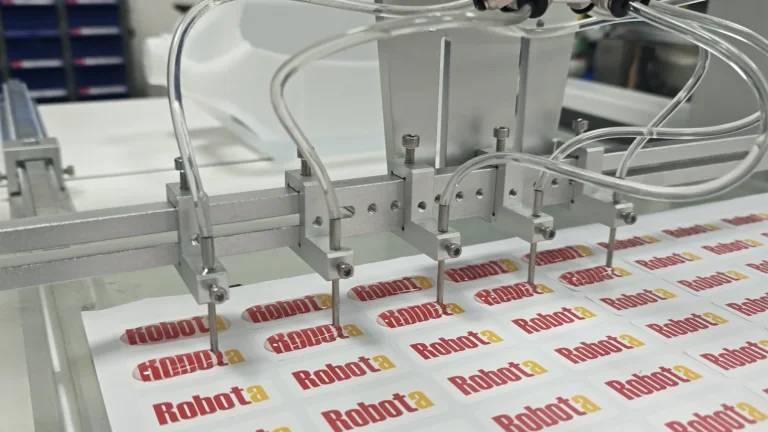
Visual Path Programming for Irregular Labels
Dynamic Mixing and Metered Resin Delivery
Production Requirements Before Choosing CCD Vision
Confirm recognition, placement variation and path-setup effort with the real sample.
| Requirement | What to Confirm | Why It Matters |
|---|---|---|
| Product Layout | Repeatable sheets, position/angle variation, or irregular designs that change frequently | Evaluate camera alignment for placement variation and visual path programming for frequent irregular-design changes. Outline shape alone does not decide CCD. |
| Recognition Feature | Printed edge, fiducial mark, contrast area or clear product contour, including reflective or low-contrast artwork | The camera needs a stable visual reference; test recognition on the actual sample. |
| Working Area | SJ2530, SJ3040, SJ4050 or SJ4060 based on sheet size | Model choice should match actual sheet dimensions, not only expected output. |
| Production Volume | Repeat orders, positioning rejects and setup/changeover effort | Compare the tested workflow rather than assuming a fixed output gain. |
| Resin Type | Epoxy, polyurethane or not sure | Resin viscosity, flow and curing still affect dome height even when positioning is solved. |
| Sample Testing | Printed sheets, artwork files, target dome height and resin information | Testing confirms recognition, path offset, edge control and final resin behavior. |
Robota
Optional Configurations
Specification
| Model | SJ2530 | SJ3040 | SJ4050 | SJ4060 |
|---|---|---|---|---|
| Dimension(L*W*H) | 1000*1150*1800mm | 1680*1470*1850mm | 1960*1740*1960mm | 2160*1750*1980mm |
| X/Y/Z Working Range | 250*300*70mm | 300*400*70mm | 400*500*70mm | 400*600*70mm |
| Camera Identify Area | 250*300mm | 300*400mm | 400*500mm | 400*600mm |
| Camera Quantity | 1 | 2 | 2 | 2 |
| Weight | 450kg | 680kg | 750kg | 800kg |
| Base | Marble | |||
| Tank Capacity | A/B Tank: 20L Cleaning Tank: 5L | |||
| Glue Mixing Ratio | 1:1 to 3:1 | |||
| Metering Method | Gear/Screw Pump – selected by resin and target shot volume | |||
| Metering Accuracy | Amount±2%, Ratio:±2% | |||
| Adhesive Mixing Method | Dynamic mixer (standard) | |||
| Control | PC+PLC+CCD Camera | |||
| Adhesive Viscosity | <10000CPS | |||
| Pattern | Point, Line, Square, Arc | |||
| X/Y/Z Speed, Repeatability | Max: 500mm/s ±0.05mm | |||
| Power Supply | 220v/50hz 2000-4000w | |||
| Input Pressure Range | 0.4-0.8MPa | |||
Commercial & Support Information
Use these terms to plan an SJ4060 purchase. Camera recognition must be tested on the real printed sheet before the vision configuration is finalized.
| Purchase Information | SJ4060 Details |
|---|---|
| Lead Time | Production lead time is at least 10 days and is typically about 14 days after the final configuration and order details are confirmed. Custom functions, fixtures, voltage changes or other special requirements may extend the schedule. The confirmed date is stated in the quotation or order confirmation. |
| Warranty | 12 months from the date the customer receives the machine. Coverage details and exclusions for consumables and wear parts are defined in the formal quotation and contract. |
| Pre-shipment FAT | Pre-shipment FAT covers the confirmed camera, motion, metering, mixing, cleaning and agreed sample run. Recognition notes, photos or video can be supplied. |
| Installation & Training | Remote setup and operator training are supported with detailed operating manuals and an extensive video tutorial library. On-site installation has no separate service fee, but the customer covers the engineer's transportation, local travel, accommodation, meals, insurance and other trip-related expenses. Availability and schedule must be confirmed in advance. |
| Spare Parts | Recommended first-order consumables include mixers, dispensing needles or nozzles, seals, O-rings and hoses. Pump maintenance parts and replacement motion or camera components are supplied against the final model and machine serial number. |
| Electrical & Documentation | The published SJ4060 electrical range is 220 V / 50 Hz / 2000-4000 W, depending on the confirmed configuration. Other electrical requirements, interface language, operating manual, wiring documents and certification status are confirmed before order. |
Sample Testing Workflow Before Purchase
Test real sheets first, then confirm recognition and dispensing results before fixing the model.
Send printed sheets
Share product photos, sheet layout, artwork files, dimensions, material and target dome height.
Check camera recognition
Confirm whether the camera can detect edges, marks or contrast areas reliably on your samples.
Run a CCD test
Test visual alignment, path offset, edge hold, dome height and resin behavior on your actual sheet.
Confirm model setup
Review recognition notes, working area, resin setup and whether camera alignment or visual path programming adds value for the sample.
Request a Free Demo or Sample Test
Use this form to request a CCD recognition test. Robota will review your printed-sheet details, confirm the recognition references required and arrange the next step.
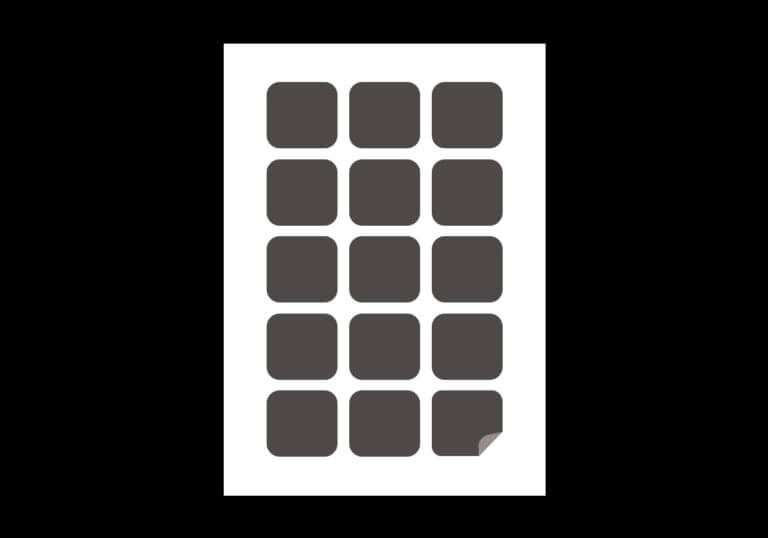
Regular Layout Sheet
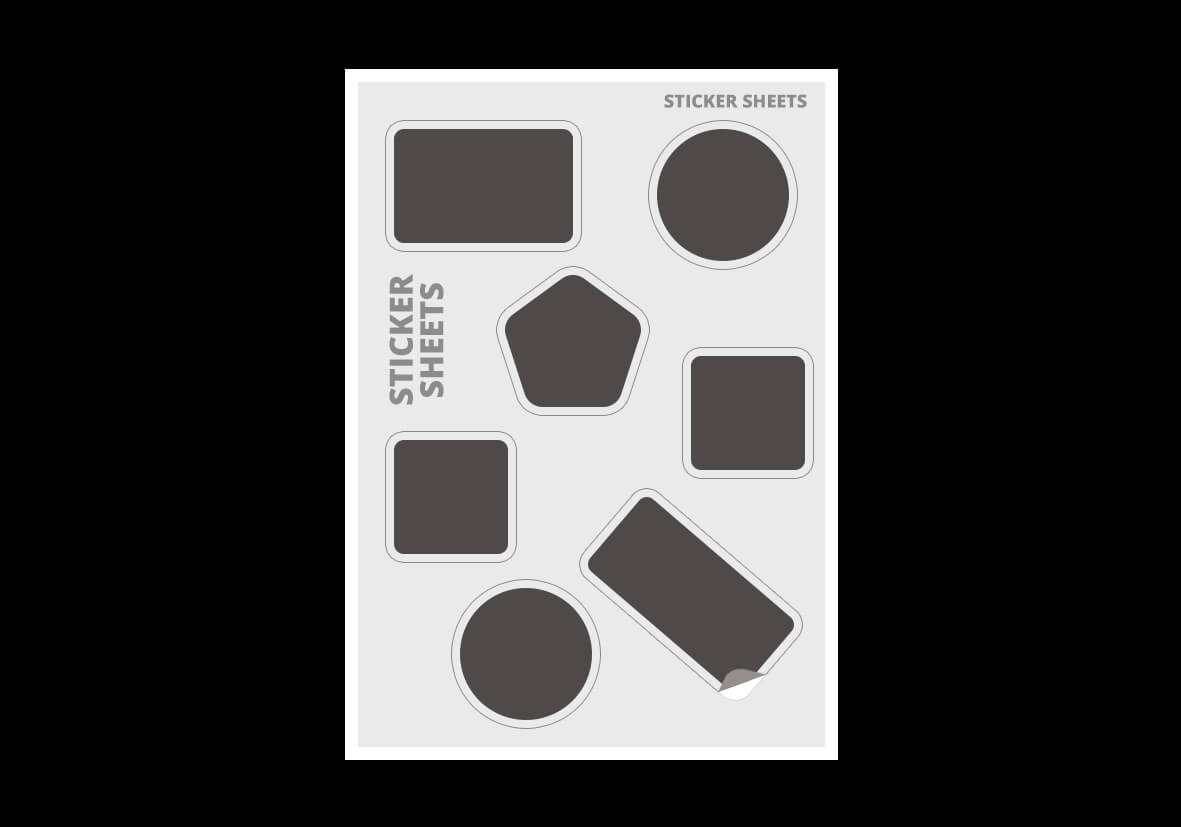
Mixed Shapes / Irregular Layout
What You Receive
- Camera-recognition and path-offset observations from the printed sample
- CCD model and working-area recommendation based on the real sheet
- Resin, edge-control and dome-height test notes
- Follow-up quotation after recognition and process direction are confirmed
*Your details will be kept strictly confidential with us.
Common Questions Before Choosing CCD Vision
Compare recognition requirements and path-setup needs before sending samples.
When is CCD vision better than a 3-axis doming machine?
Compare SJ4060 when placement or print position varies and the sample offers a reliable recognition reference, or when on-screen path editing would help frequent irregular-design changes.
Does CCD vision solve every doming defect?
CCD can address positioning and path-setup work, but resin viscosity, bubble control, curing behavior and dome height still need sample testing.
How do I choose between SJ2530, SJ3040, SJ4050 and SJ4060?
Choose by the actual sheet size, camera recognition area, expected product format and future production plans. Confirm the model by reviewing the sample layout.
Can CCD handle multiple designs on one sheet?
Yes, when the camera can reliably recognize the printed reference or product contour. Sample testing is recommended for reflective, low-contrast or irregular artwork.
Should I choose CCD if my sheets are regular?
Not always. For repeatably positioned regular sheets, a saved 3-axis path may be enough. SJ4060 can still be useful when frequent design changes make on-screen path editing more practical.