
1
View Application Guide →Compare semi-auto PJ180, desktop or floor-standing 3-axis, and CCD vision-guided resin doming machines by product layout, production volume, positioning risk and upgrade path.
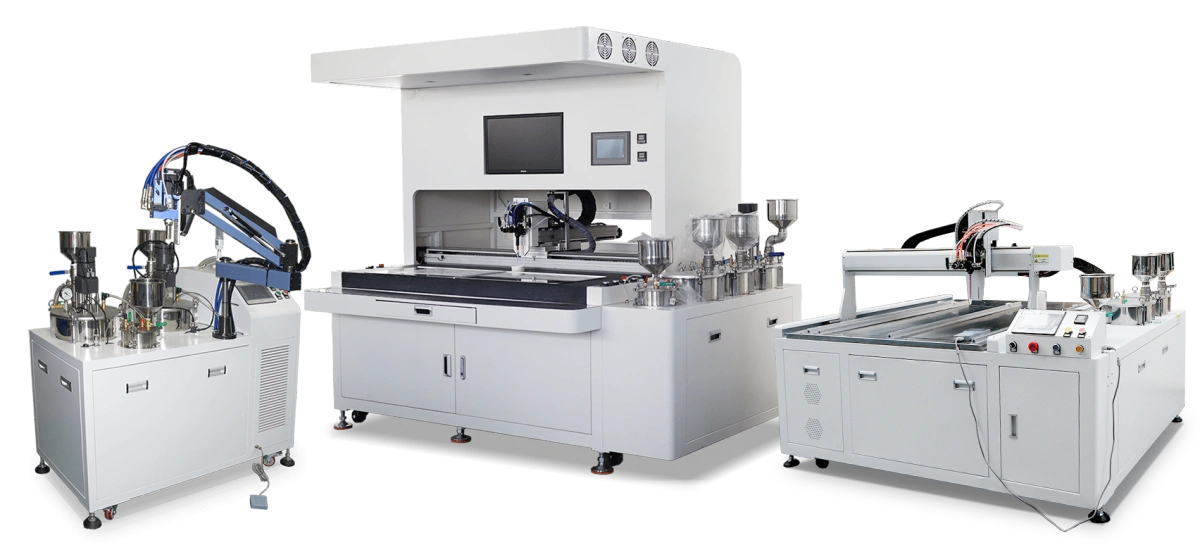
Use product layout, repeatability, changeover work, required production volume and resin conditions as the first filter. Final selection should still be confirmed with sample testing.
Start with a PJ180 semi-auto doming machine when product types change often, sample testing matters and the required production volume is low.
Why it fits: Lower investment and flexible for product testing, resin validation and changing order types.
Watch out: Output and consistency depend more on operator skill, loading speed and process discipline.
Recommended: Semi-autoFor growing repeat orders, compare desktop or DJ771 3-axis platforms by sheet size, floor space and budget. Check both programmed dispensing and manual loading when estimating output.
Why it fits: Saved paths, stable fixtures and repeat sheet layouts improve repeat production.
Watch out: Confirm sheet size, spacing, fixture design and resin viscosity before choosing the platform size.
Recommended: desktop / floor-standing 3-axisCompare CCD vision when placement or print position varies beyond what fixtures or regular layouts can control, or when frequent irregular-label changes make visual path setup more practical.
Why it fits: Camera correction can reduce off-centre dispensing caused by position changes.
Watch out: CCD is not automatically faster for simple regular sheets; sample testing should confirm the benefit.
Recommended: CCD visionSend samples first to assess whether resin preparation, mixing, degassing, fixtures and curing are causing bubbles, uneven domes or edge-control issues; a higher machine level does not correct those process conditions.
Why it fits: Sample results show whether the proposed resin and setup fit the finished product.
Watch out: Do not choose by machine model alone when resin or the use environment is still unknown.
Recommended: Sample testThese three machine levels cover most label, decal, nameplate, badge and keychain doming workflows.
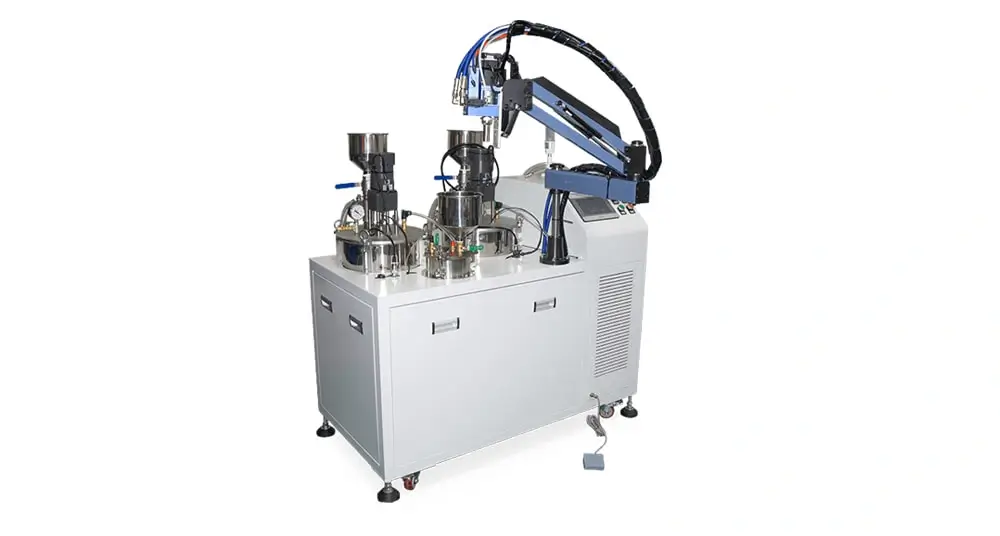
Best for: samples, small batches and changing product types.
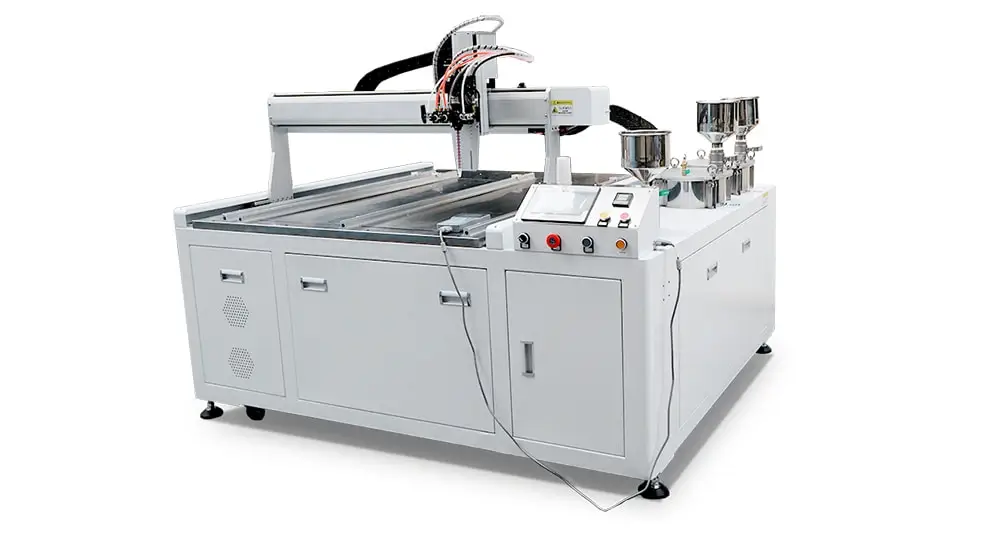
Best for: regular sheet layouts, stable product sizes and repeat orders; choose desktop or floor-standing platform by sheet size.
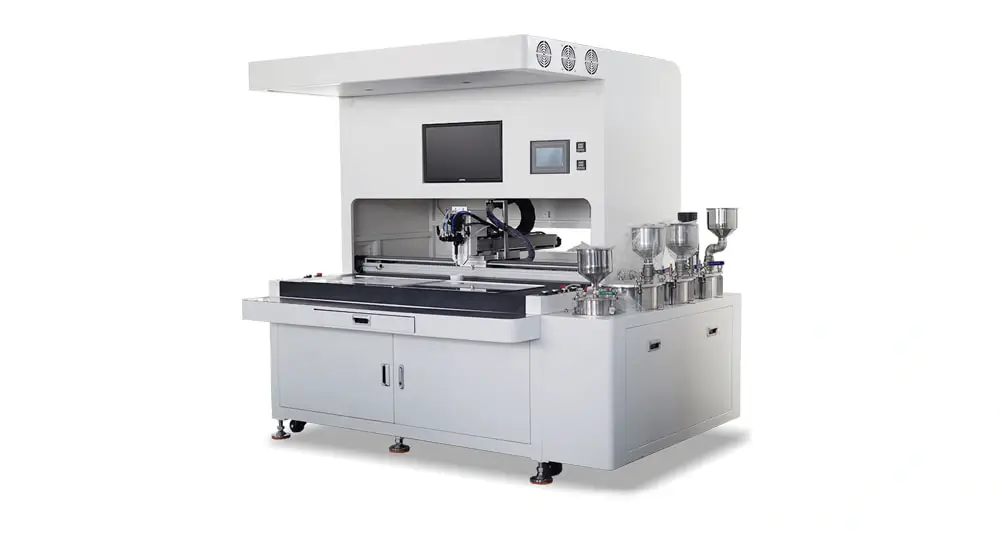
Best for: placement variation that needs camera alignment, or frequent irregular-label changeovers that benefit from visual path programming.
Start from product type when machine choice is still unclear, then use the detail page to confirm resin, layout and sample testing needs.
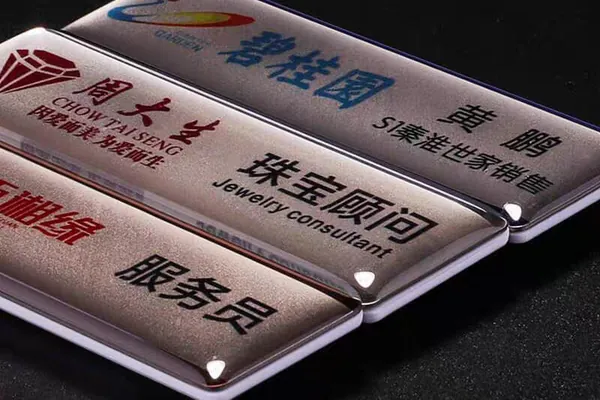
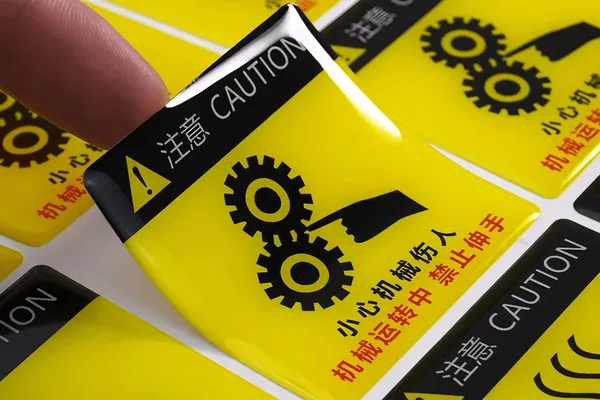
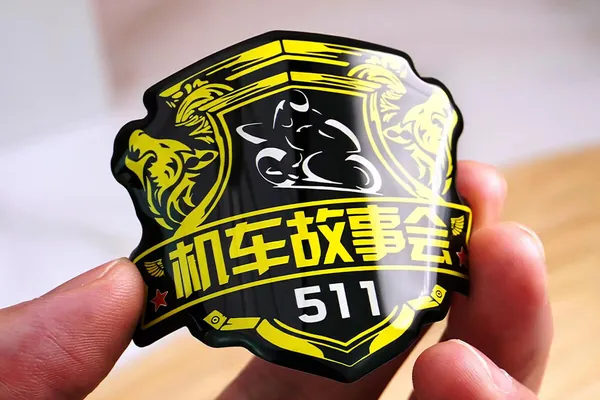
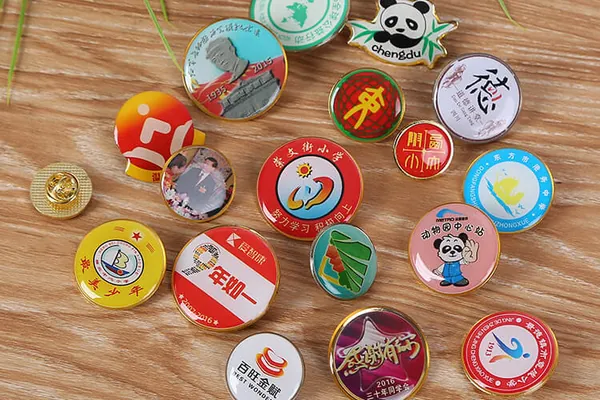

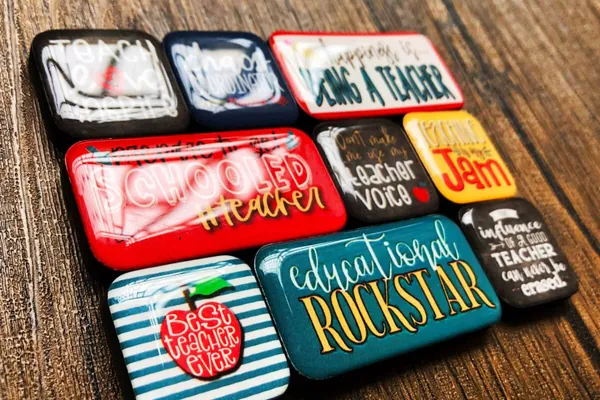
Stable doming production depends on machine level, resin selection, mixing control, fixture design, curing and after-sales support.
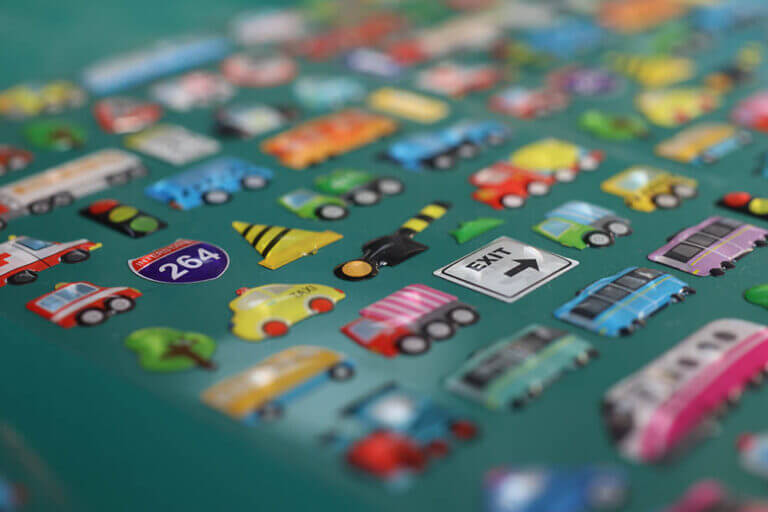
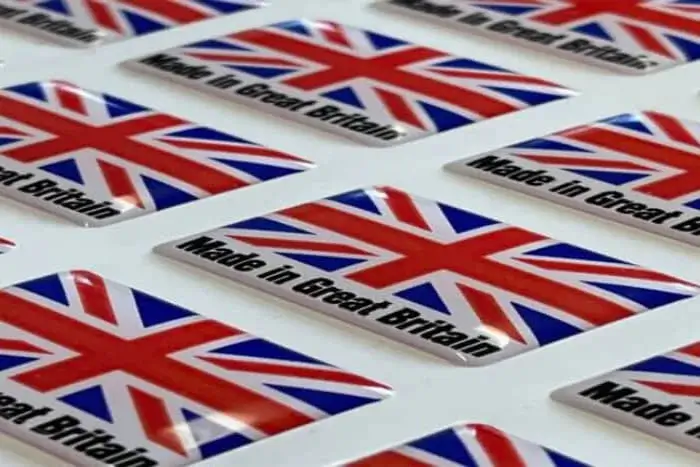
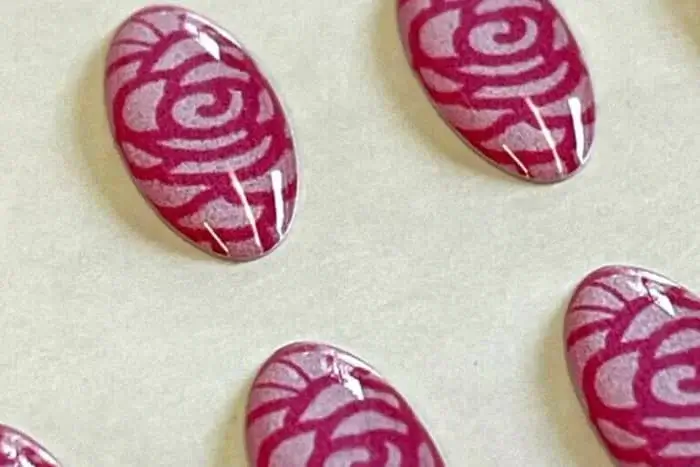
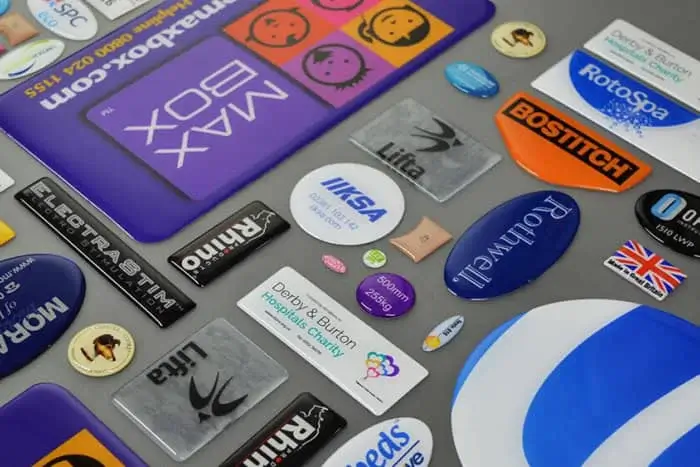
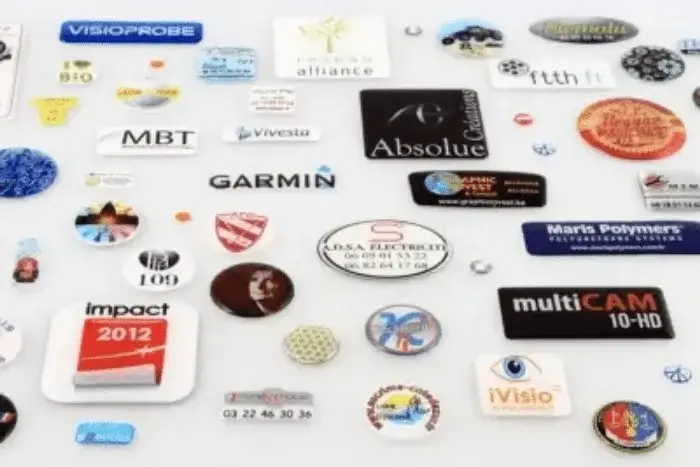
Use the production-situation selector to compare PJ180, 3-axis and CCD routes, then send sample details to confirm the proposed setup.
Yes, if each sheet can be positioned repeatably: saved 3-axis paths can handle complex outlines, holes and mixed shapes. Compare CCD when placement or print position varies beyond fixture control.
Epoxy is a practical starting point for many indoor products; clarity and hardness depend on the formulation. Test a suitable polyurethane formulation when flexibility, impact or outdoor exposure matters. Curvature alone does not decide the resin. Confirm the choice with the actual printed product and cure conditions.
Yes, if the dispensing path, fixture, resin and dome height are adjusted correctly. The machine level depends on product layout, positioning accuracy, order volume and material behavior.