
Samples and small batches
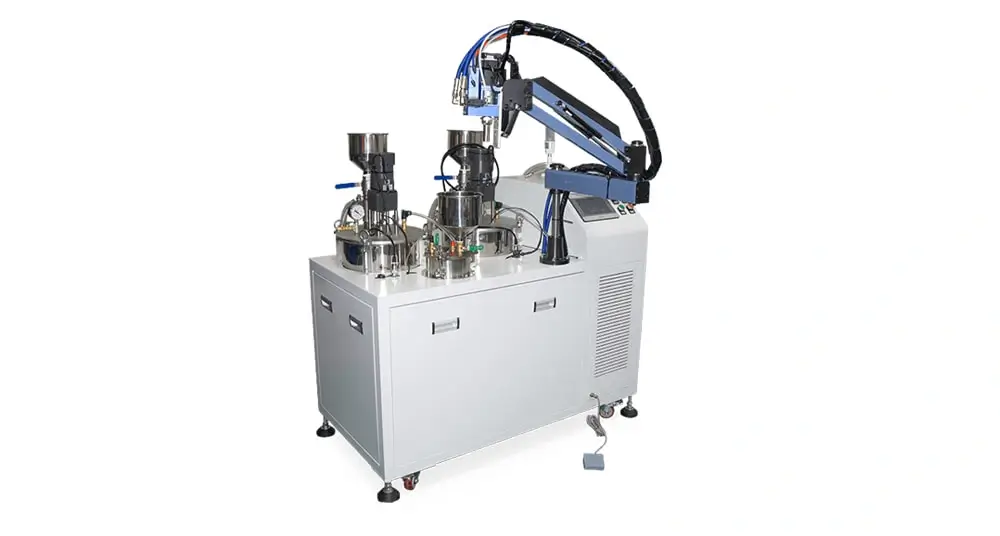
Semi-Auto Doming Machine
Manual path control for samples, small batches and changing decal work.
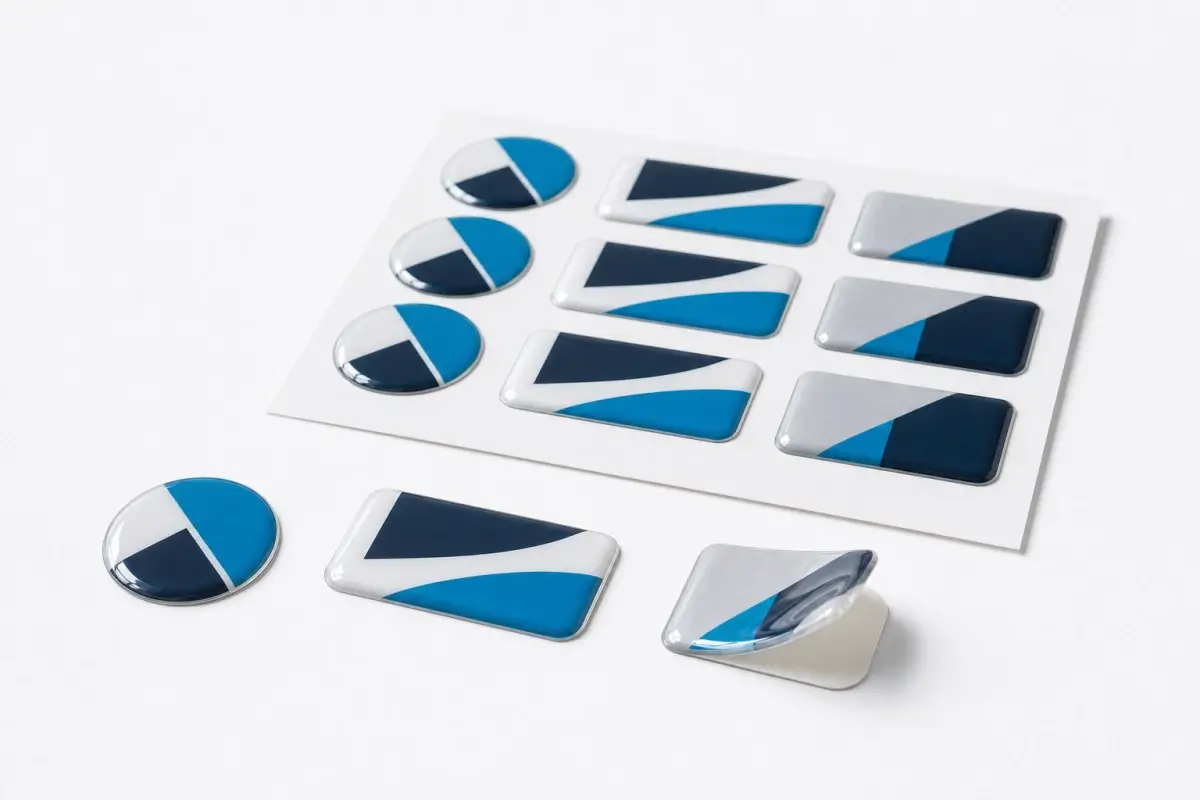
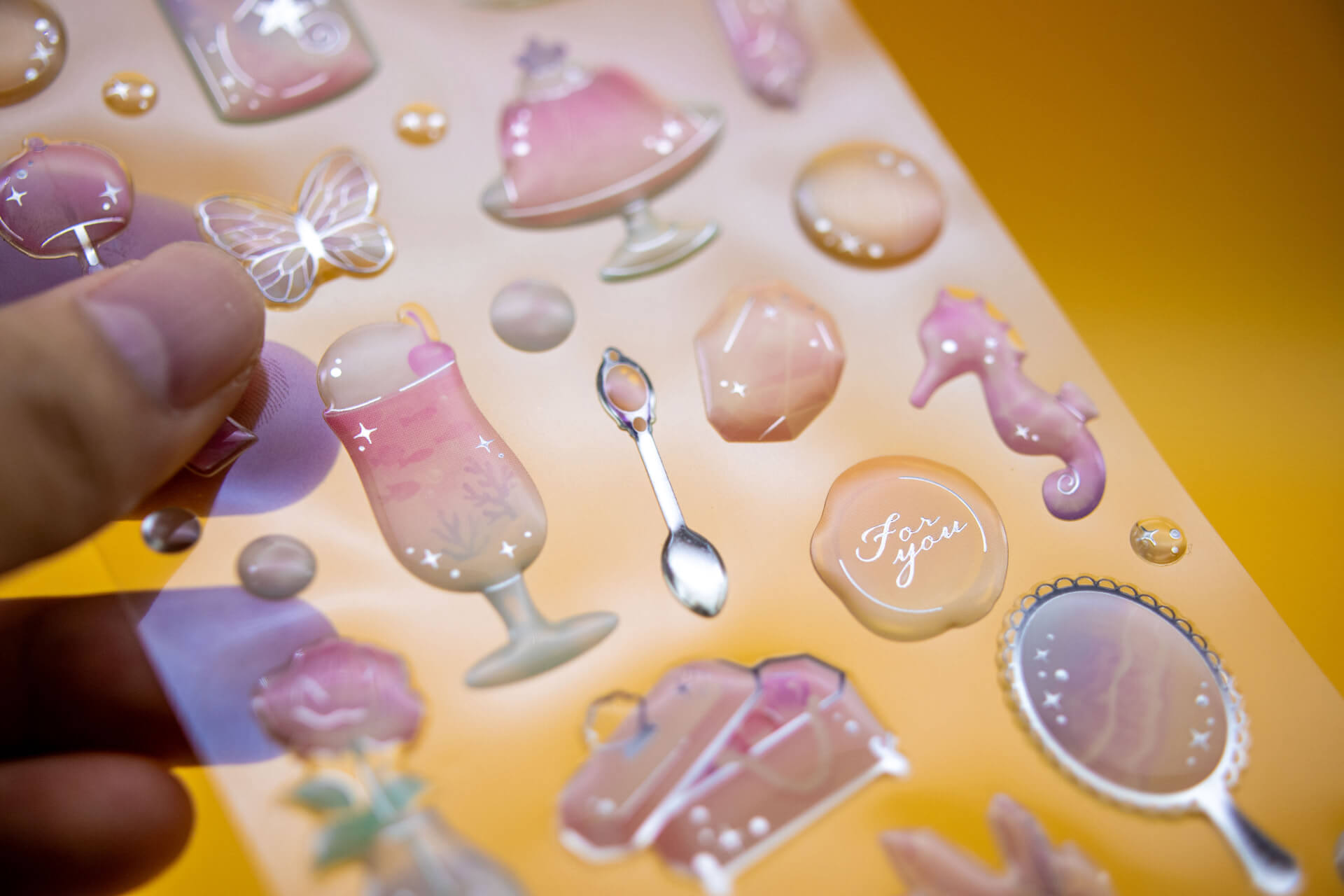
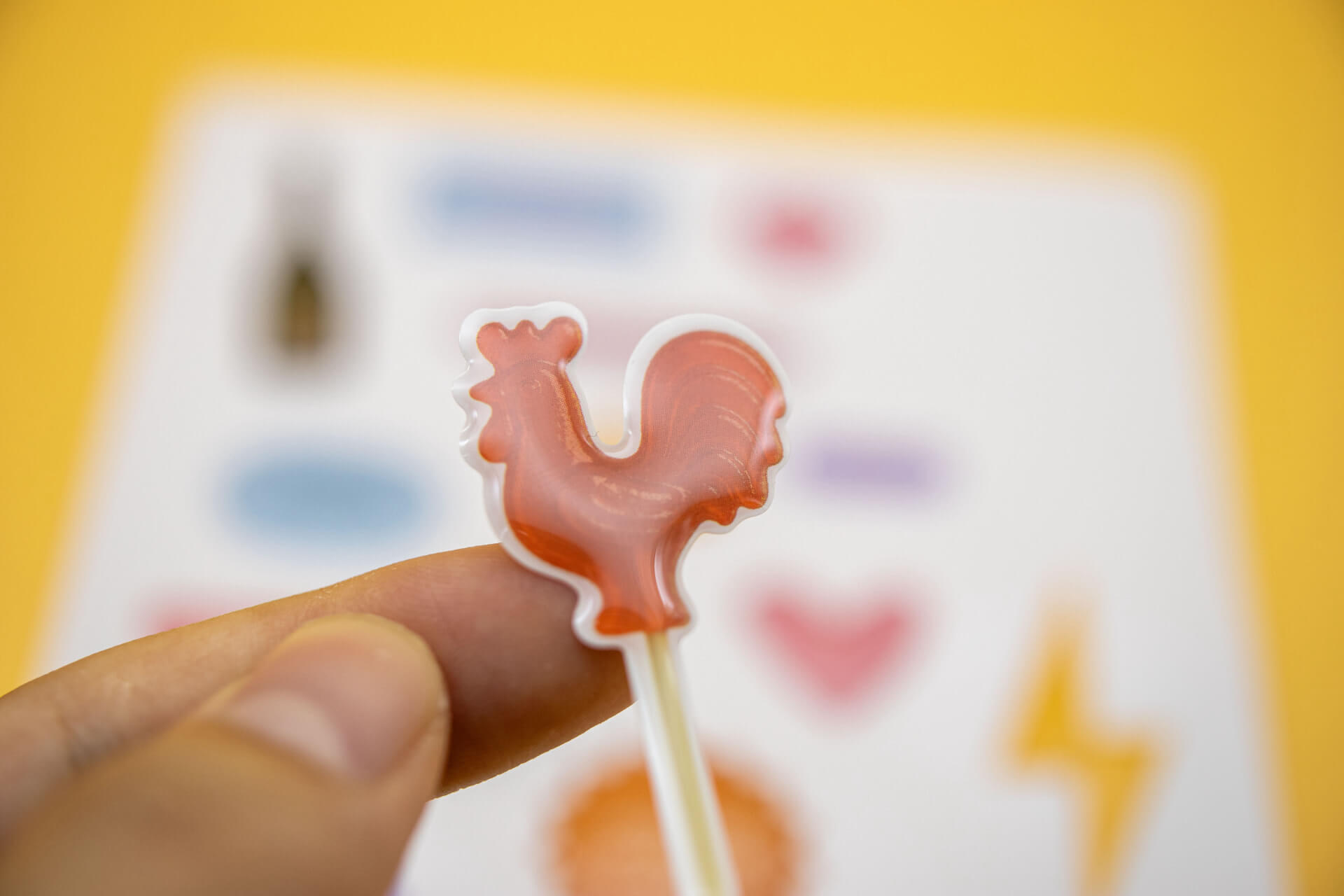
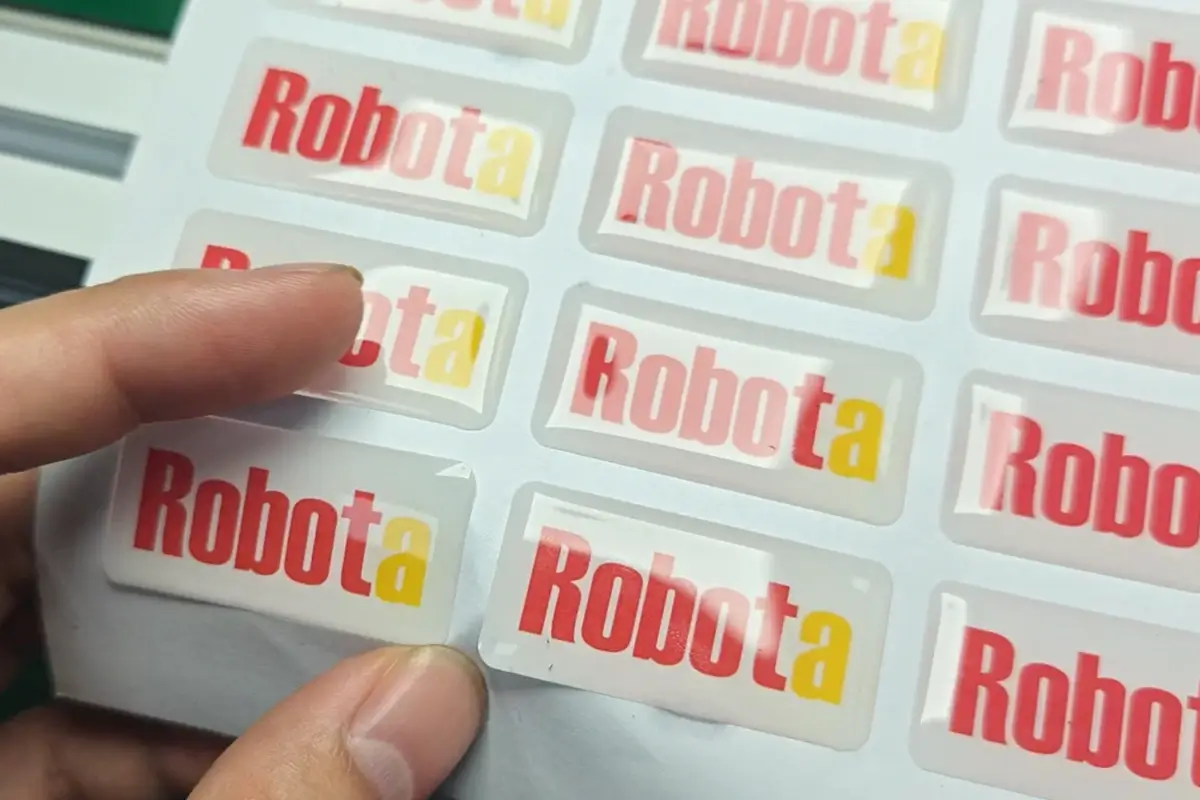
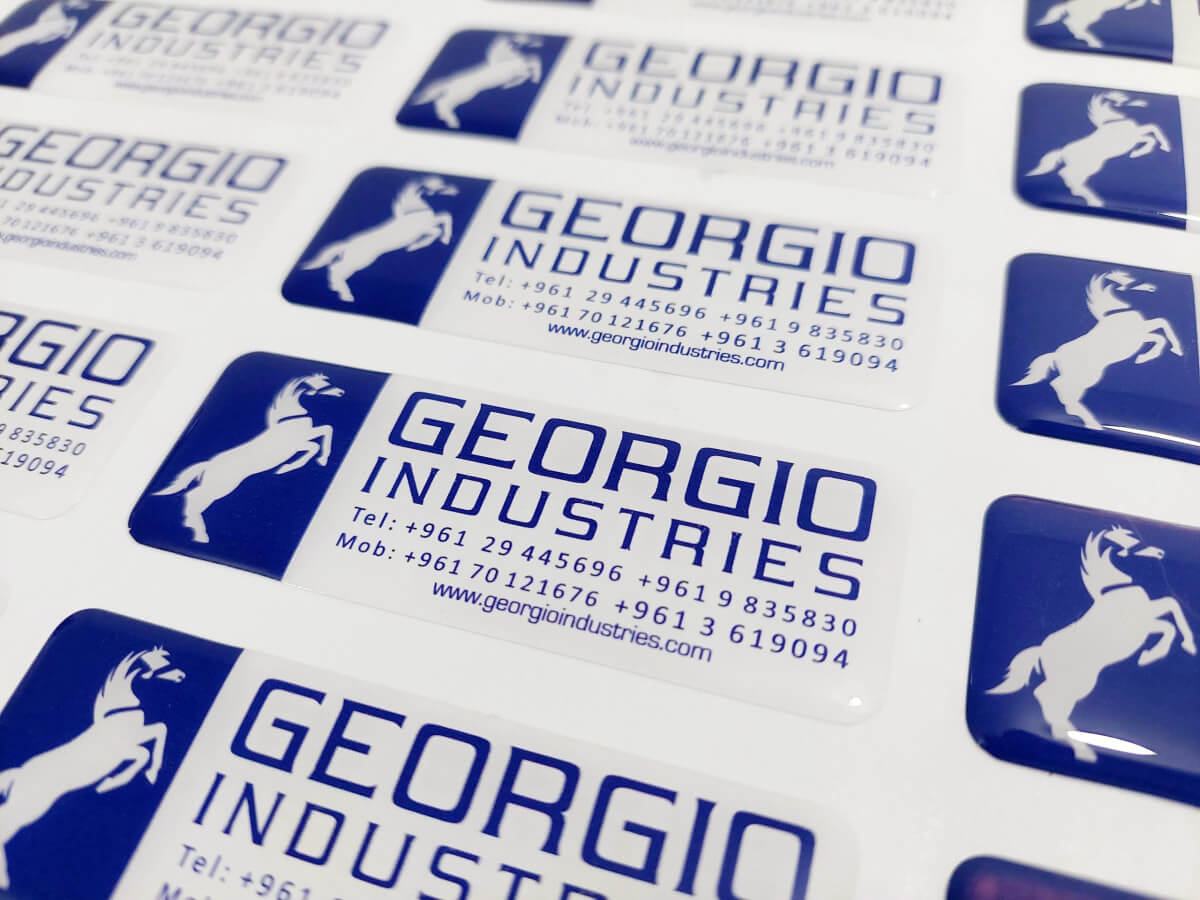
Produce resin domed decals with clear print, controlled edges and resin matched to the printed material and use environment. Confirm the laminate or adhesive stack, smallest gap, target dome height and indoor or outdoor conditions before selecting equipment.
| Requirement | Options / Range | Notes |
|---|---|---|
|
Decal Material
|
PVC, Polycarbonate (PC), PET, Aluminum, ABS | Surface should be clean, flat, and free from dust or oil. |
|
Product Shape
|
Flat decals, slightly curved parts, irregular outlines, or mixed sheet layouts | Confirm the outline, smallest gap, edge distance and whether each sheet can be located repeatably before choosing the fixture and path setup. |
|
Production Volume
|
Low, medium, or high-volume production | Confirm batch size, repeat-order pattern and changeover frequency; these affect fixture, path setup and loading plan. |
|
Resin Type
|
Epoxy resin or polyurethane resin | Select the resin according to indoor, outdoor, UV resistance, and flexibility requirements. |
|
Dome Height
|
0.5 mm – 6 mm | Typical dome height is adjustable based on decal size, edge design, and resin viscosity. |
|
Use Environment
|
Indoor or outdoor use | For outdoor decals, test a suitable resin formulation and the complete printed substrate under the expected UV, moisture and temperature exposure. |
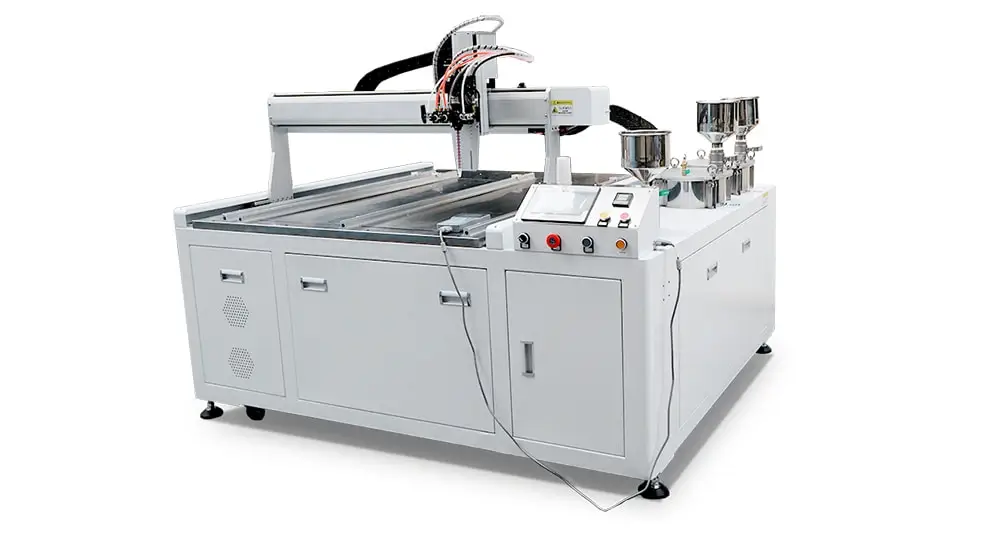
Manual path control for samples, small batches and changing decal work.
Saved paths for repeatable loading, including repeatable irregular outlines.
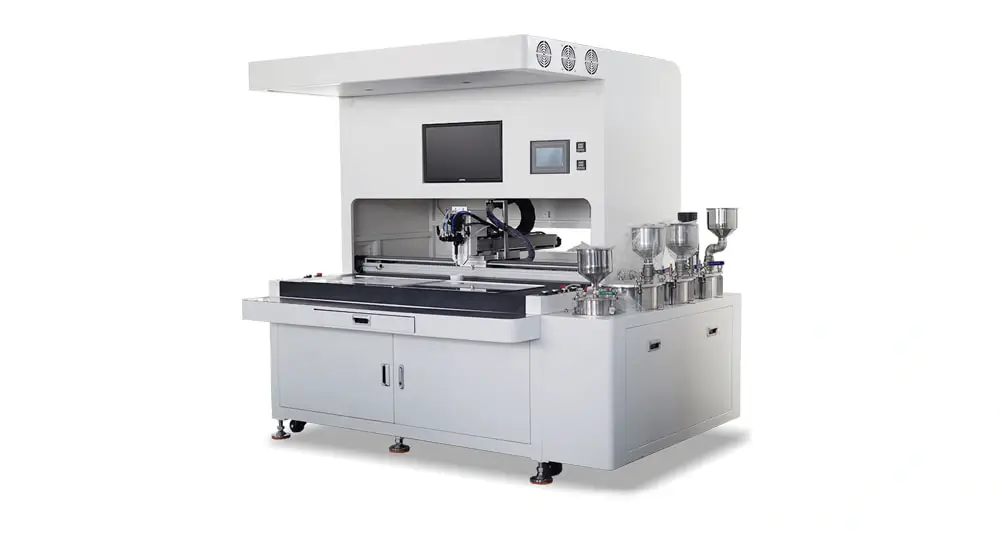
Camera correction for demonstrated placement variation; on-screen path editing supports irregular-design changeovers.
| Decal Production Situation | First Decision Trigger | Recommended Setup | Resin Starting Point | Why It Fits |
|---|---|---|---|---|
| Samples / Changing Designs | Low volume, frequent artwork changes | PJ180 Semi-Auto | Epoxy or PU after sample testing | Flexible start with lower equipment cost |
| Stable Repeatable Sheets | Repeat positions and stable spacing; complex outlines can use a saved path | Desktop 3-Axis or DJ771 by sheet size, space and output target | Epoxy or PU by material and use | Repeatable loading and path reuse |
| Variable Placement / Frequent Irregular Changeovers | Measured print shift, free placement or mixed positions; or frequent irregular-design path changes | SJ4060 CCD Vision-Guided | Epoxy or PU by material and use | Camera correction addresses measured variation; on-screen path tools can simplify irregular-design changeovers |
Provide your decal samples, size, material, and usage environment.
We test resin clarity, adhesion, and curing on your samples.
We fine-tune dispensing program to reach your target dome height.
Receive test video, report, and machine + resin recommendation.
*Your details will be kept strictly confidential with us.
It depends on the decal material, use environment and required surface feel. Epoxy is a practical starting point for many indoor decals; clarity, hardness and scratch resistance depend on the formulation. Test a suitable polyurethane formulation when flexibility, impact or outdoor exposure matters. Curvature alone does not decide the resin. We offer free sample testing to check the complete printed decal, including adhesion, edge control and cure, before confirming the resin.
Air bubbles are common in domed decal production. Check the A/B ratio and mixing method, trapped air, moisture exposure, dispensing settings and the condition of the printed surface. Keep the substrate clean, dry and level. Evaluate vacuum degassing only with a resin-approved procedure and sample results showing that it addresses the bubble source; polyurethane or outdoor use alone does not establish the need for it.
Yes, but outdoor suitability depends on the complete decal system: substrate, ink, laminate or adhesive, resin, edge design and actual UV, moisture and temperature exposure. Test the final printed construction and compare a suitable PU formulation before approving production.
Use the selection table above as the starting point. For decals, send a final printed sheet with the actual laminate or adhesive stack, smallest gap and changeover pattern so edge behaviour and setup work can be checked before production.