
Samples and material changes
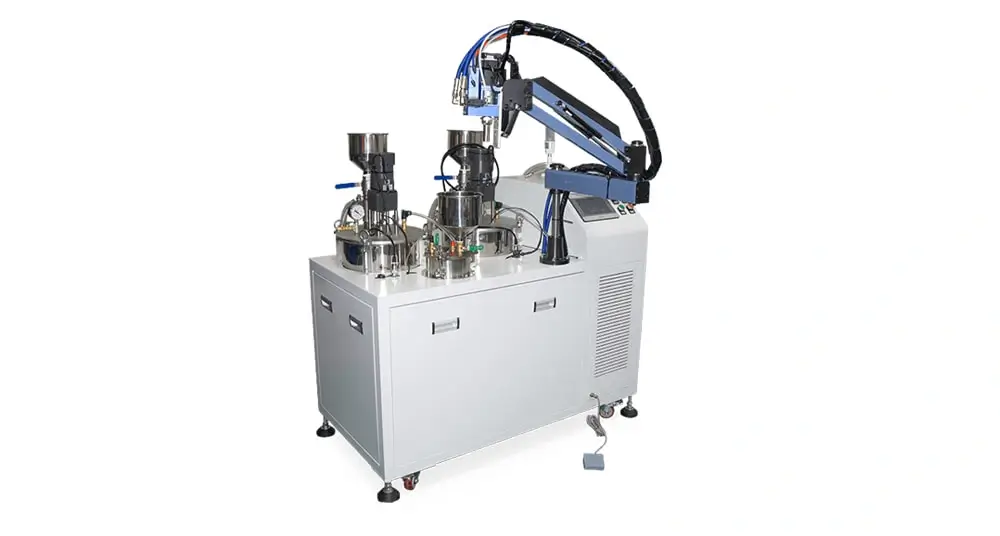
Semi-Auto Doming Machine
Manual path control for samples, material changes and small nameplate batches.
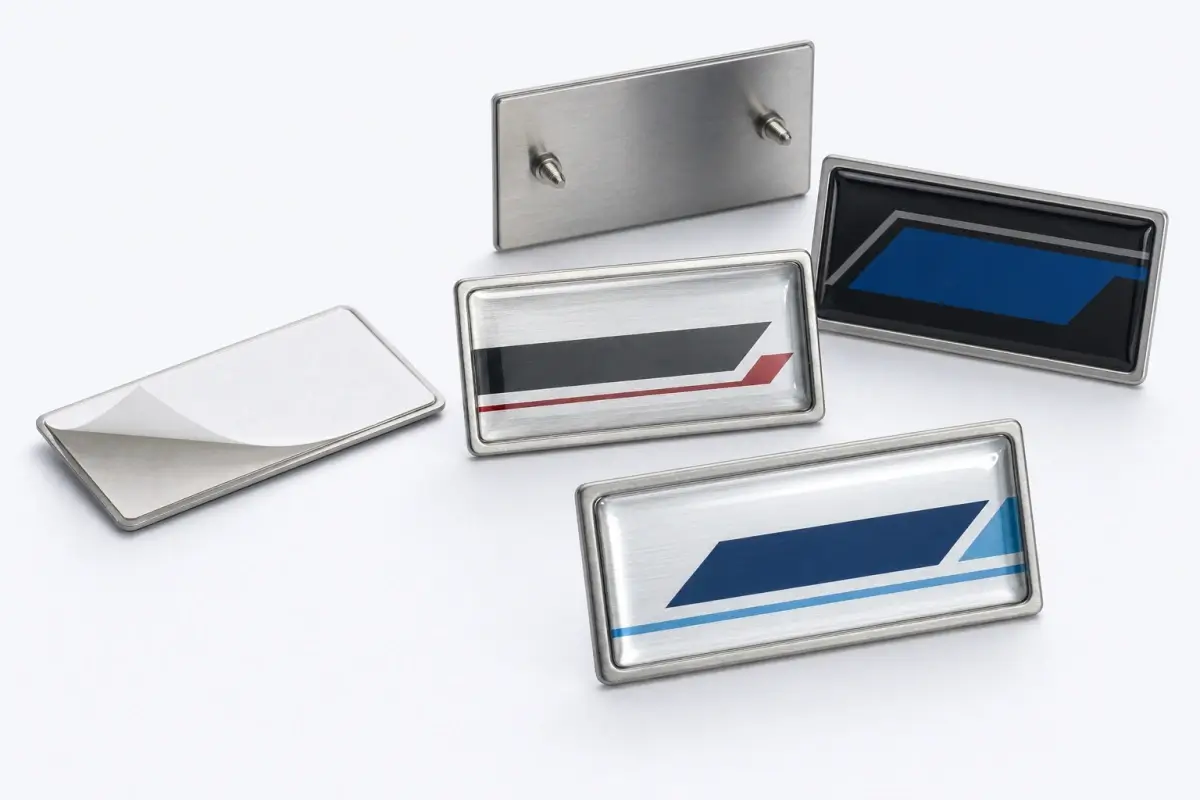
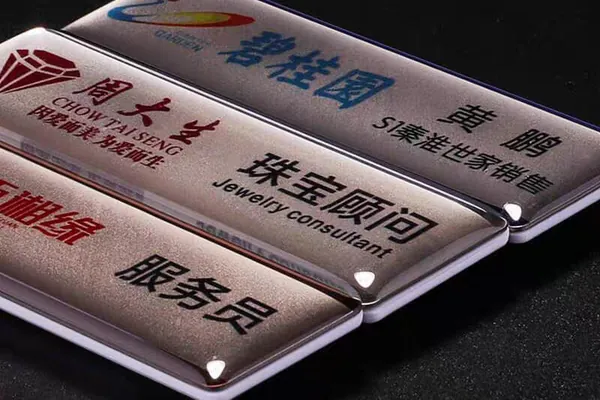
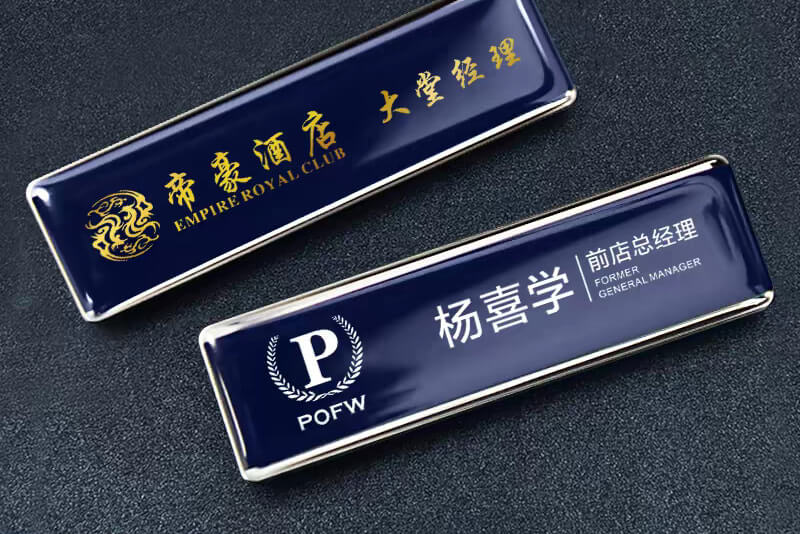
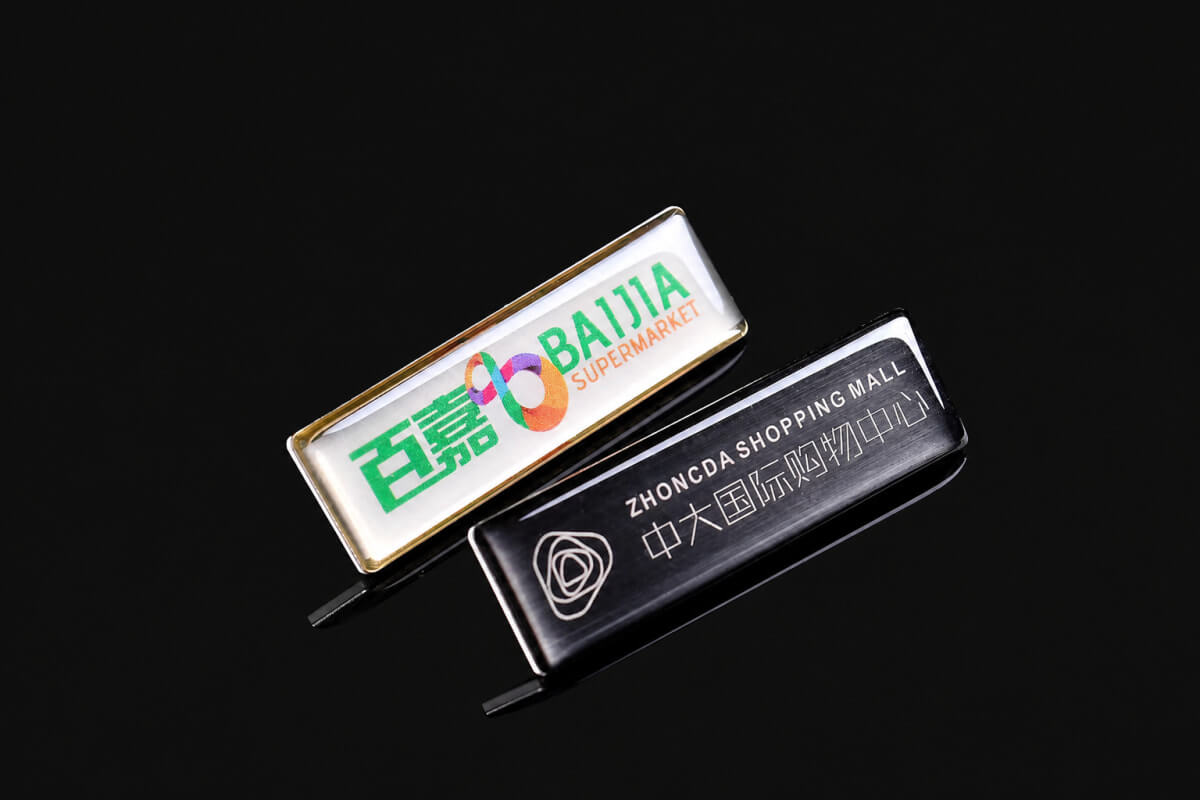
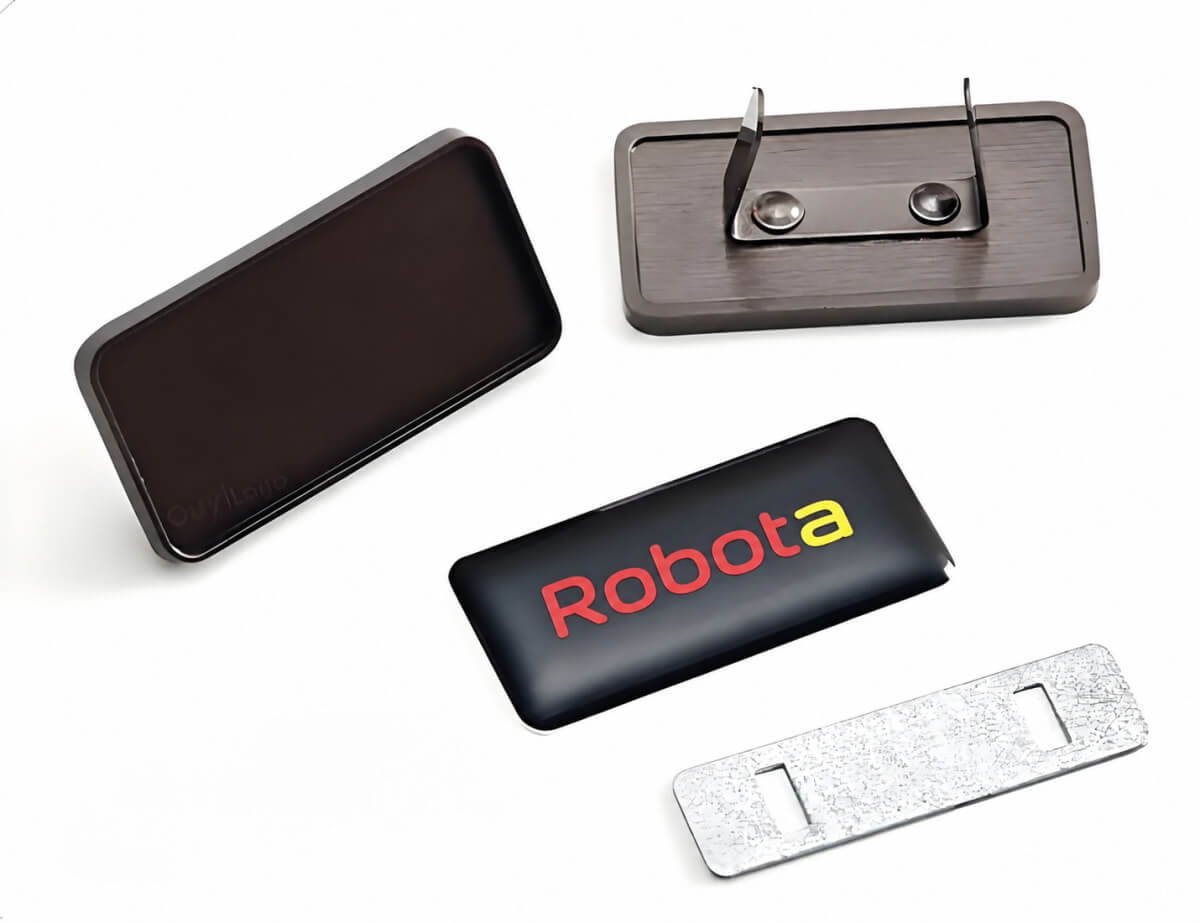
Produce durable resin domed nameplates for equipment tags, product identification, control panels and brand plates. Match the machine by layout, volume, surface shape and use environment before purchase.
| Requirement | Options / Range | Notes |
|---|---|---|
|
Nameplate Material |
Aluminum, stainless steel, PC, PET, PVC, acrylic, ABS | Surface should be clean, dry and tested for resin adhesion before production. |
|
Surface Finish |
Printed, coated, brushed metal, laser marked or film-laminated | Different inks and coatings may affect adhesion, clarity and final appearance. |
|
Shape / Layout |
Regular sheets, holes, cutouts, mixed shapes or free placement | Confirm holes, cutouts, edge distance and whether a practical fixture can hold each nameplate in a repeatable position before choosing the fixture and path setup. |
|
Production Volume |
Samples, small batches, repeat orders or high-volume sheets | For output planning, stable edges, adhesion and repeat layout matter more than raw speed, especially on metal or coated substrates. |
|
Resin Type |
Epoxy resin or polyurethane resin | Choose by hardness, flexibility, UV exposure and use environment. |
|
Dome Height |
Usually 0.5 mm – 4 mm, adjusted by size and edge design | Higher domes require stable edge control and the right resin viscosity. |
|
Use Environment |
Indoor equipment, appliances, outdoor machinery or branding parts | For outdoor or flexible applications, test a suitable resin formulation on the complete nameplate for the expected exposure and bending requirements. |
Manual path control for samples, material changes and small nameplate batches.
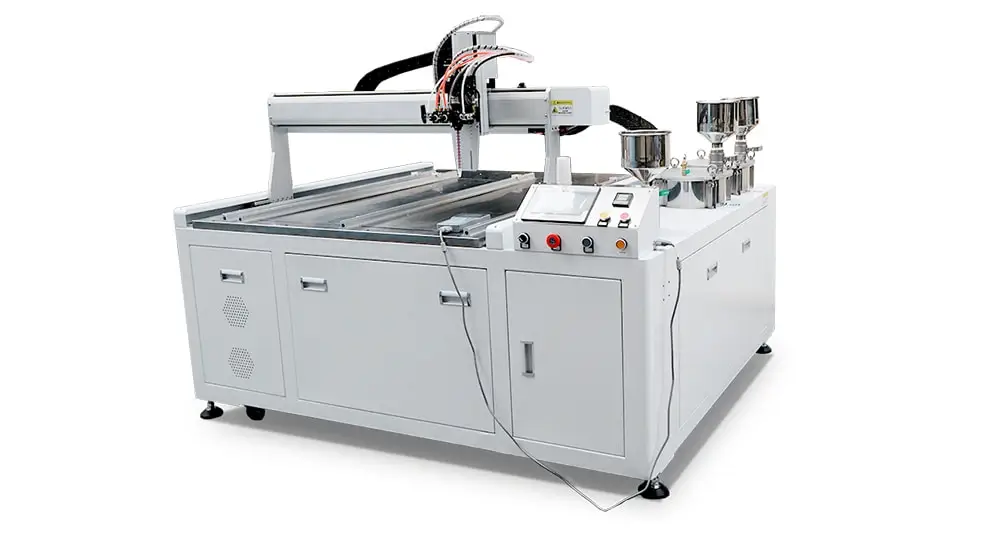
Saved paths for repeatable loading, including repeatable holes and cutouts.
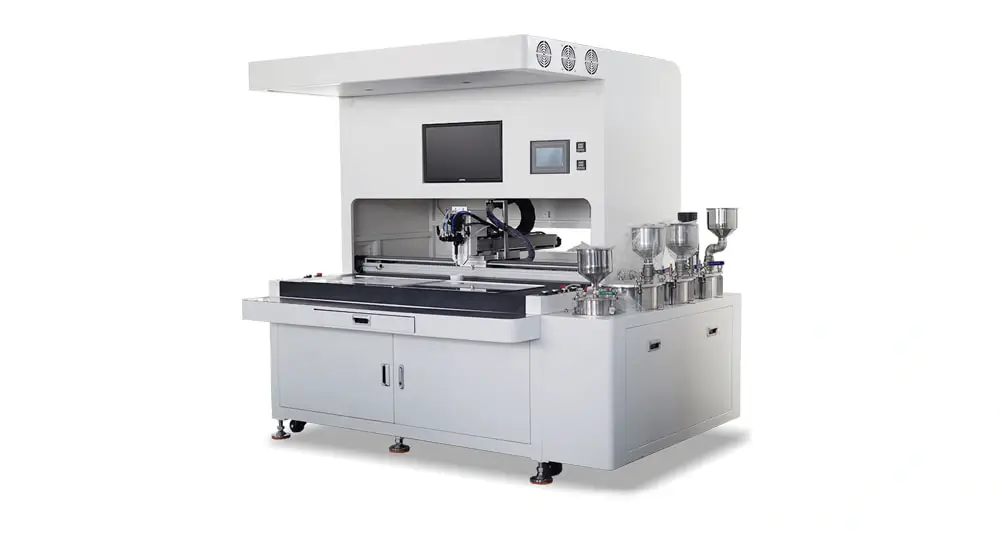
Camera correction for demonstrated placement variation; on-screen path editing supports irregular-design changeovers.
| Nameplate Production Situation | First Decision Trigger | Recommended Setup | Resin Starting Point | Why It Fits |
|---|---|---|---|---|
| Samples / Small Batches | Changing sizes, materials or finishes | PJ180 Semi-Auto | Epoxy or PU after adhesion testing | Flexible testing before fixtures are finalized |
| Stable Repeatable Sheets | Repeat positions and stable loading; holes or cutouts can use a saved path | Desktop 3-Axis or DJ771 by sheet size, space and output target | Epoxy or PU by environment | Repeatable loading and path reuse |
| Variable Placement / Frequent Irregular Changeovers | Position varies despite a practical fixture, or frequent irregular-design path changes add setup work | SJ4060 CCD Vision-Guided | Epoxy or PU by environment | Camera correction addresses measured variation; on-screen path tools can simplify irregular-design changeovers |
| Outdoor / Cleaning Exposure | UV, heat, moisture or cleaners | Choose machine by layout; validate resin separately | Test PU and the final printed surface first | Environment changes resin choice, not positioning method |
Provide nameplate samples, drawings, material, size, thickness and use environment.
We test resin clarity, adhesion, curing and surface appearance on your material.
We adjust resin volume, path offset and dome height to control edges and holes.
Receive test video, sample photos and machine + resin recommendation.
*Your details will be kept strictly confidential with us.
Resin doming can be used on many nameplate substrates, including aluminum, stainless steel, PC, PET, PVC, acrylic, ABS and coated films. The key is surface compatibility. Different inks, coatings and metal finishes can affect resin adhesion and clarity, so we recommend testing the actual nameplate material before mass production.
Epoxy is a practical starting point for rigid indoor nameplates that need a hard, clear surface. For flexible or environmentally exposed nameplates, test a suitable polyurethane formulation first. The final choice depends on the substrate, print or coating, dome geometry and actual UV, moisture, heat and handling conditions.
Overflow is usually caused by too much resin, low viscosity, insufficient edge distance, unstable fixtures or an inaccurate dispensing path. To reduce overflow, control the resin volume, set a safe path offset, keep the nameplate level and test holes or cutouts before production. CCD vision can help when placement is irregular or the sheet layout changes often.
Use the selection table above as the starting point. For nameplates, provide the final substrate and coating, holes or cutouts, information areas and fixture details so adhesion, edge control and setup work can be checked before production.